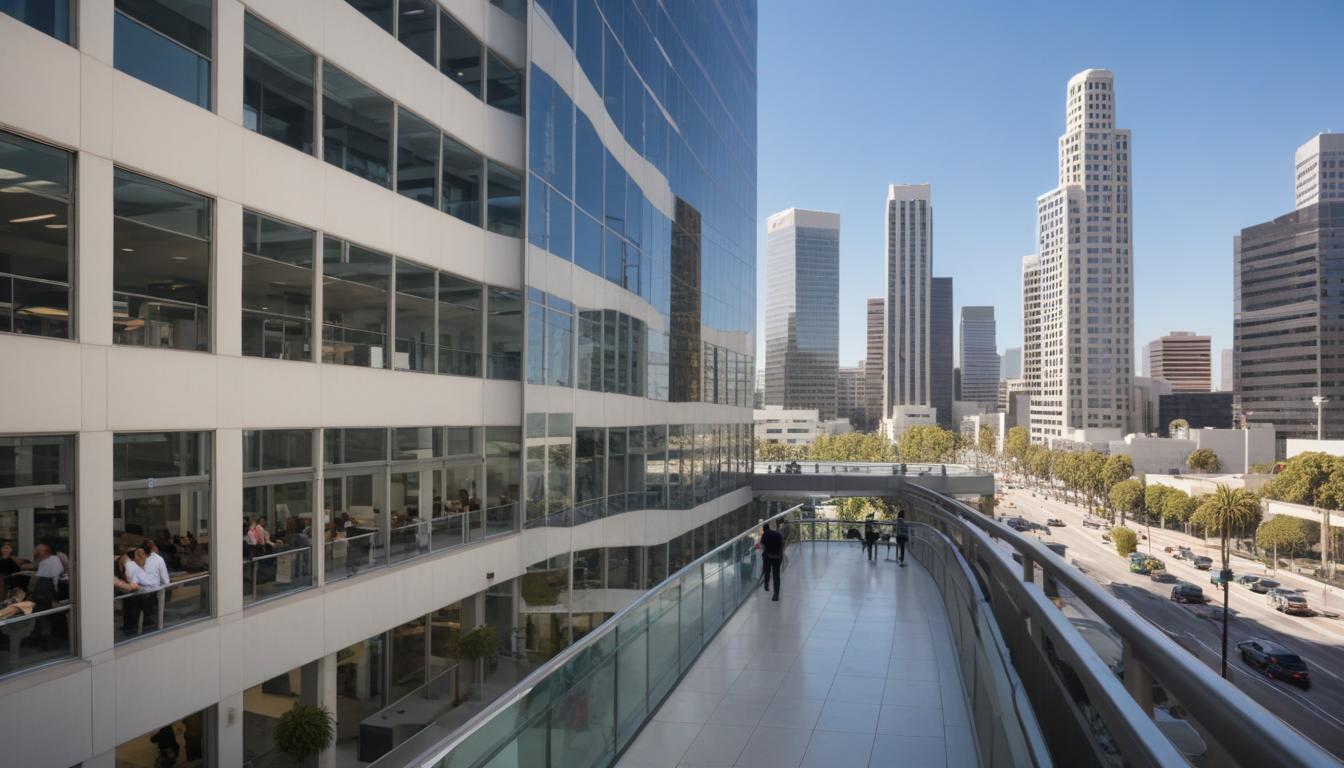
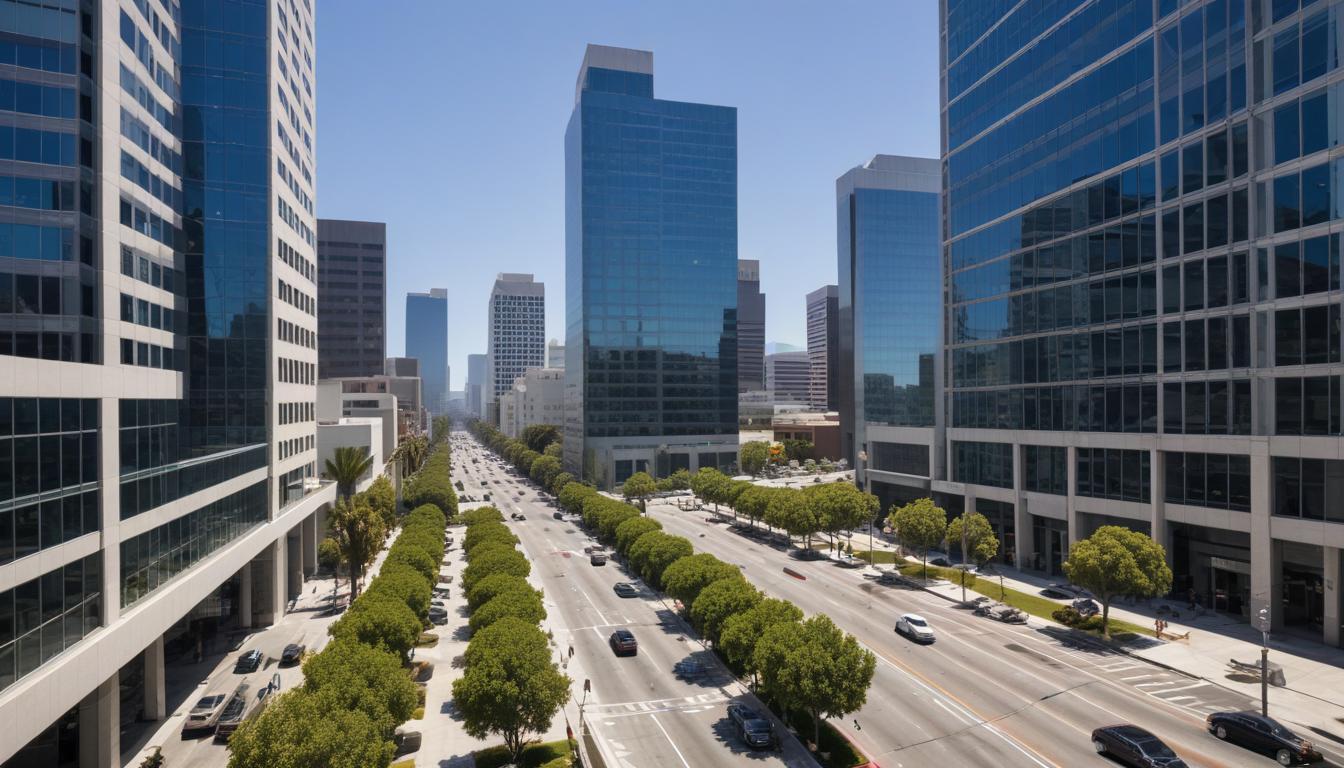
The bustling corridors of the Figueroa Corridor downtown and the logistics hubs stretching toward the Port of Los Angeles are humming with an unusual energy these days—one driven not by consumer demand, but by urgent reassessment. As U.S.-Iran tensions escalate and disease outbreaks ripple through Africa, Los Angeles's interconnected business ecosystem is experiencing a seismic shift in how companies hire, where they invest, and which skills command the highest premiums.
The impact is most visible in LA's logistics and import-export sectors, which employ roughly 85,000 people across warehousing, customs brokerage, and freight forwarding. Uncertainty over shipping routes through the Strait of Hormuz—where roughly one-third of global maritime trade passes—is forcing companies to diversify sourcing and rethink inventory strategies. This means urgent demand for supply chain analysts, geopolitical risk consultants, and workers trained in alternative routing logistics. Staffing firms operating along Alameda Street report a 23% uptick in requests for these specialized roles since April.
Meanwhile, apparel manufacturers clustered in the Fashion District are reassessing their African sourcing relationships. With disease control measures in the Democratic Republic of Congo affecting labor availability and business continuity, several mid-sized textile firms are accelerating nearshoring initiatives—creating unexpected demand for Spanish-language manufacturing coordinators and bilingual project managers who can oversee operations in Mexico and Central America. Entry-level positions in this pivot are starting at $48,000 to $55,000, up from historical averages of $42,000.
The tech sector isn't immune. Defense contractors and cybersecurity firms headquartered around the Wilshire Corridor are bulking up hiring in anticipation of increased geopolitical risk management contracts. According to recent job postings, security clearance-required positions have jumped 31% year-over-year, with competitive salaries now routinely exceeding $95,000 for mid-level engineers.
Yet there's a shadow side. Hospitality and tourism—vital to LA's economy—face headwinds. International visitor hesitation due to Middle East tensions and travel warnings related to disease outbreaks are dampening hotel occupancy rates. Downtown properties near Pershing Square are reporting slower summer bookings, translating into delayed hiring for housekeeping and front-desk roles.
For job seekers in Los Angeles, the message is clear: adaptability pays. Workers who can navigate geopolitical complexity, manage cross-border operations, or bring security expertise are commanding premium positions. The global turbulence isn't just a headline—it's reshaping what jobs exist here and who gets hired to fill them.
This article was compiled by AI from the sources linked above and screened before publishing. See our editorial standards.