Los Angeles has long played second fiddle to the Bay Area in startup prestige, but the numbers tell a different story. Through the first half of 2026, venture capital flowing into Southern California tech companies has surged 34 percent year-over-year, signaling a fundamental shift in how investors view the region's innovation potential.
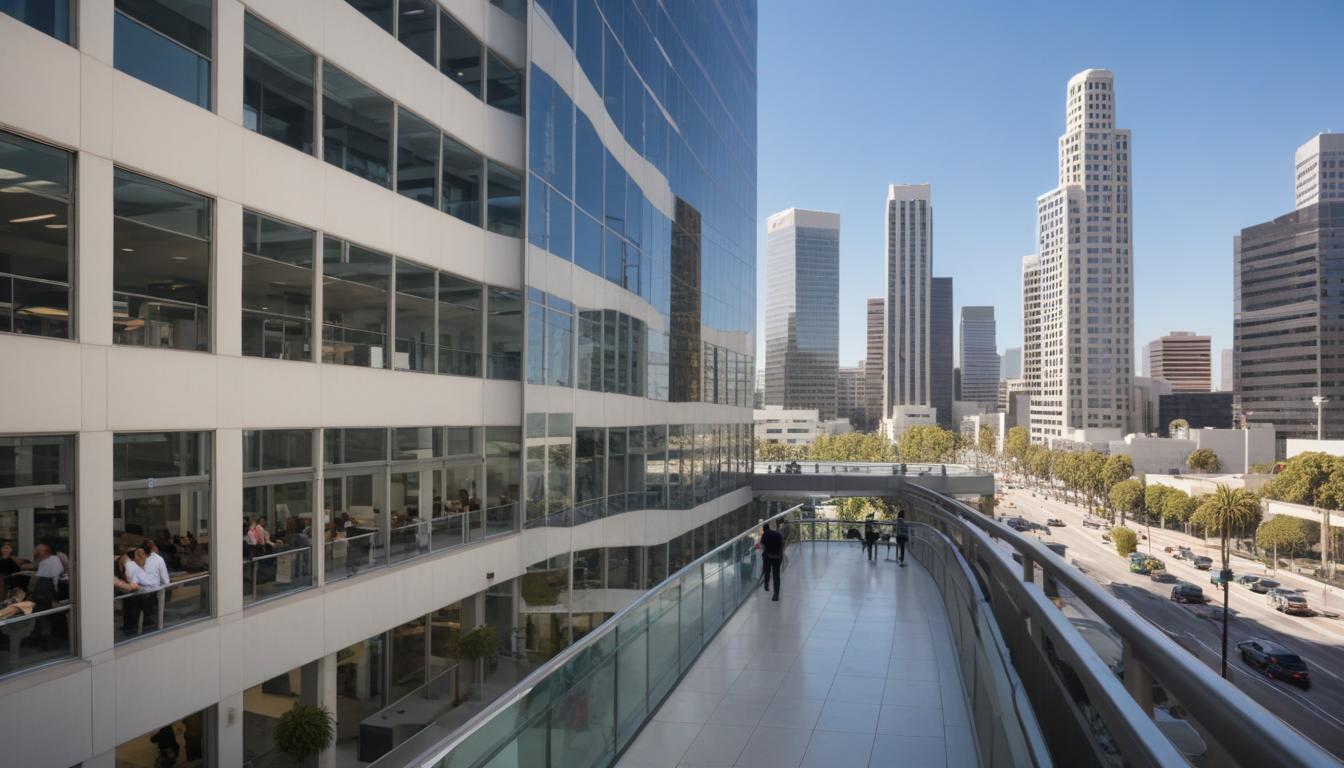
The trend is most visible along the Abbot Kinney Boulevard corridor in Venice and across Santa Monica's downtown core, where co-working spaces and accelerator offices have multiplied faster than tech hubs could expand in San Francisco. Commercial real estate brokers report that prime office space near the Ocean Park District now commands $8.50 per square foot monthly—steep by LA standards but a fraction of Silicon Valley rates—making the economics increasingly attractive for scaling companies.
Economic analysts point to three converging indicators driving this shift. First, seed-stage funding has stabilized after volatility in 2024 and 2025, with median rounds now hovering around $1.8 million, up from $1.2 million two years ago. Second, Series A investments in Los Angeles startups have accelerated, reaching $847 million across 89 deals in the first half of this year alone. Third, corporate venture arms from established companies—particularly in entertainment technology, aerospace, and sustainable energy—are establishing permanent presence in LA rather than making occasional investments from afar.
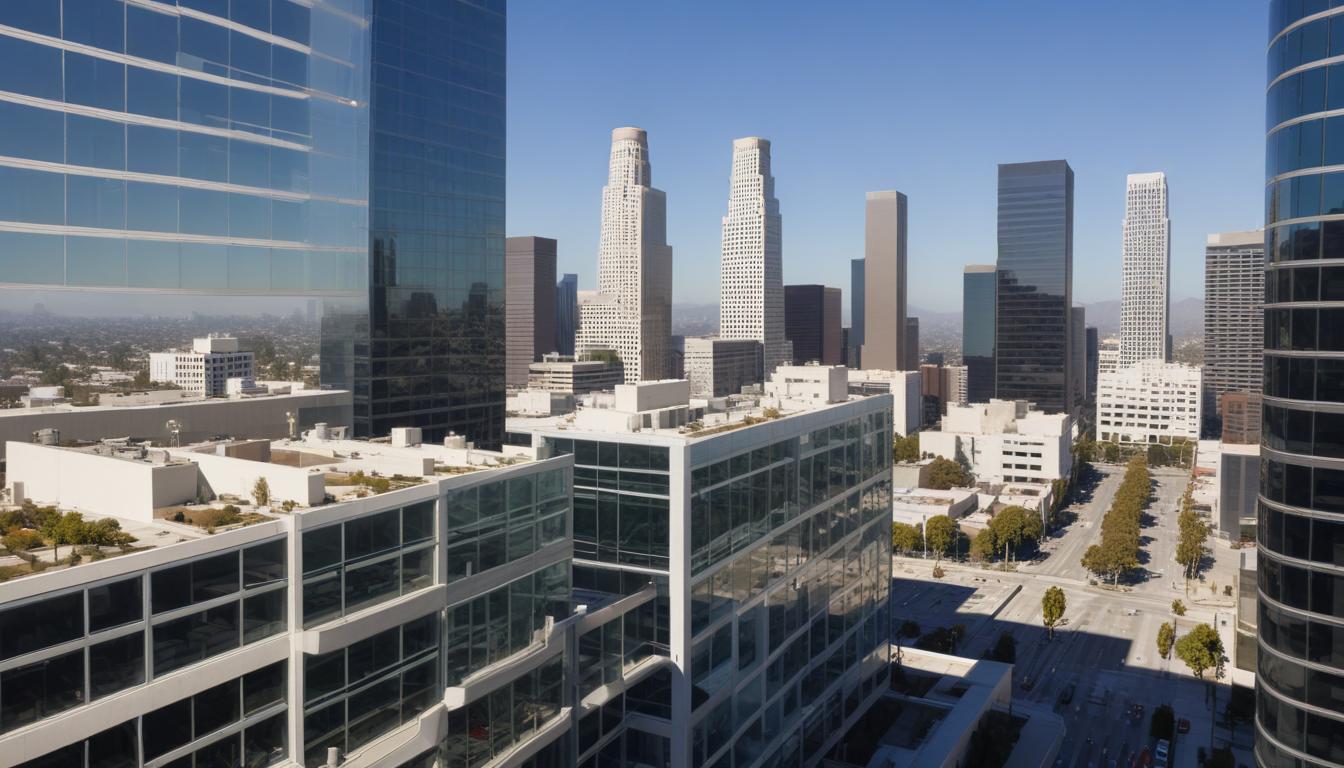
The Downtown Los Angeles Arts District, once overlooked by venture firms, has emerged as an unexpected magnet for creative tech startups focused on AI-assisted design and digital content production. Four major venture funds opened regional offices there since early 2025, drawn by lower overhead and proximity to entertainment industry partnerships.
Michael Chen, senior economist at the Los Angeles Economic Development Corporation, explains the broader implications. "We're seeing capital efficiency metrics improve dramatically," he noted in recent analysis. "Startups are able to extend runway longer here because operational costs—talent acquisition, office space, supply chains—work in their favor compared to Northern California."
Not all metrics favor LA equally. Exit valuations remain lower than comparable Bay Area companies, with the median liquidity event generating $180 million versus $340 million in the North. Still, investor interest in LA-based founders has intensified, particularly those addressing challenges in autonomous vehicles, biotechnology, and climate technology.
The influx of capital carries implications beyond startup valuations. Local construction cranes are rising across Santa Monica and Playa Vista as landlords convert office space for tech tenants. Wage pressure for software engineers and product designers has climbed 18 percent in twelve months, rippling through the regional labor market. Meanwhile, incubators and university partnerships—from USC's Marshall School to UCLA's Anderson—are actively cultivating the next generation of founders.
For Los Angeles, the investment surge suggests the startup ecosystem is maturing from aspirational narrative into measurable economic engine.
This article was compiled by AI from the sources linked above and screened before publishing. See our editorial standards.