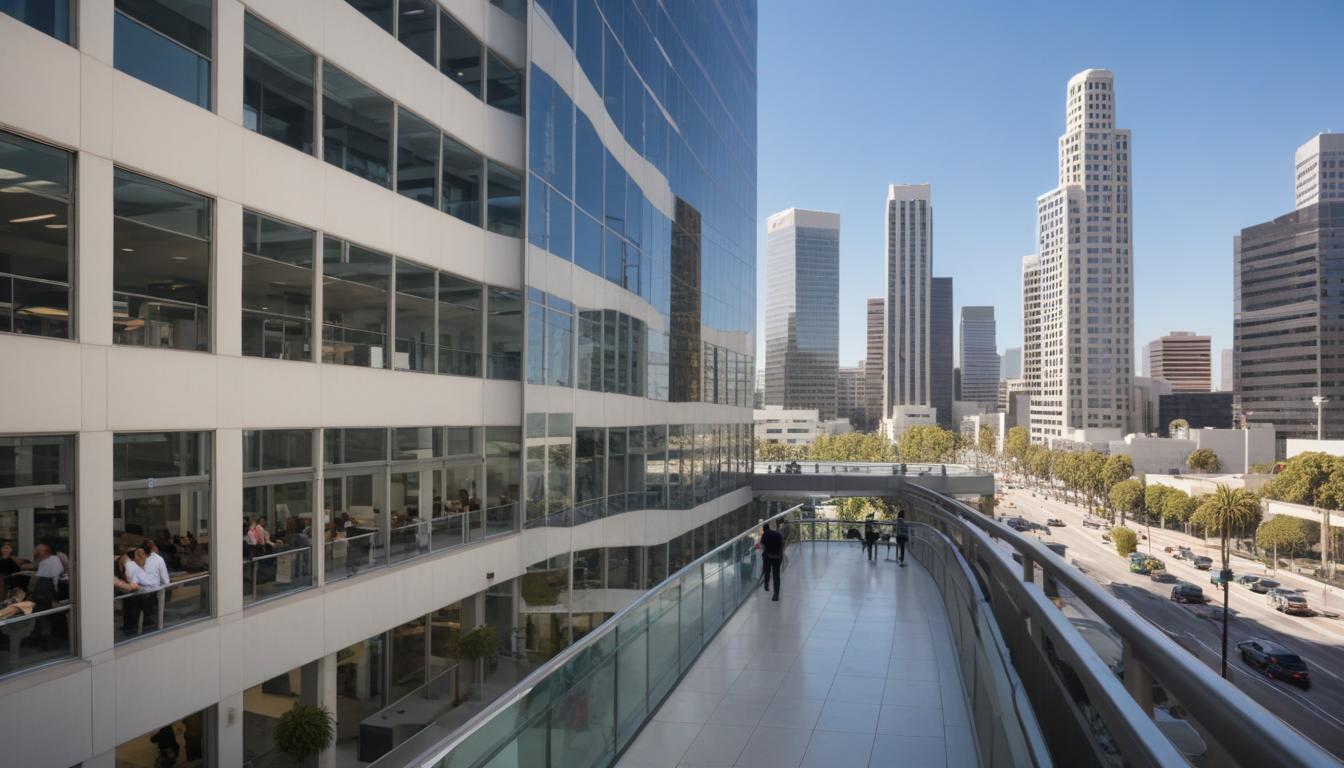
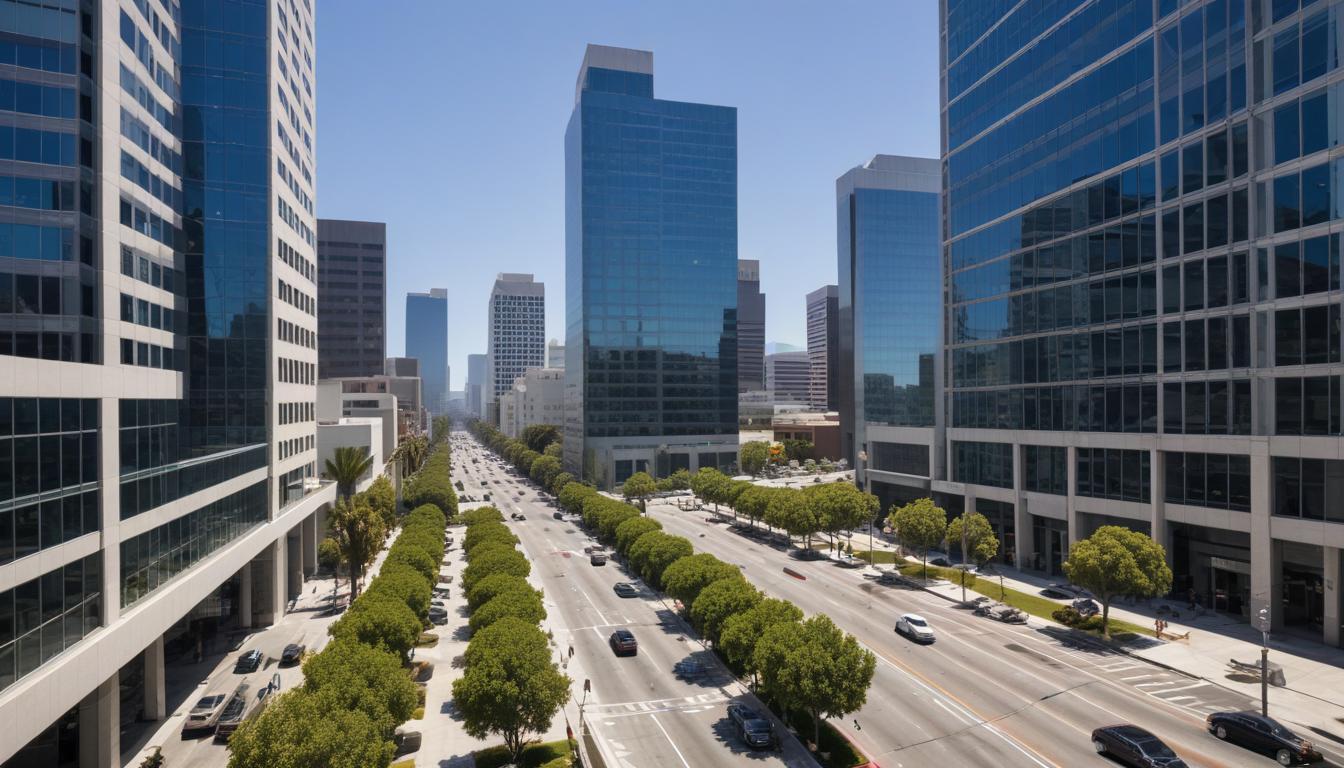
The venture capitalists walking into the glass-fronted offices along Wilshire Boulevard and in the Arts District these days carry a different kind of anxiety than they did six months ago. While LA's startup ecosystem has historically thrived on globalized thinking—nurturing companies with international ambitions and worldwide supply chains—the current moment is forcing a reckoning.
Geopolitical fractures, from escalating Middle East tensions to the Pakistan-Afghanistan border crisis, combined with ongoing humanitarian crises that have rattled emerging markets, are creating what some in the ecosystem call a "de-risking imperative." Venture firms managing roughly $180 billion across Southern California are quietly shifting capital allocation. The trend is measurable: deals focused on companies dependent on Asian manufacturing or Middle Eastern market access have dropped nearly 18 percent since early 2026, according to preliminary data from the LA Venture Association.
"We're seeing founders ask fundamentally different questions," says a longtime investor at a mid-sized Santa Monica firm, speaking on background. "Five years ago, the pitch was 'we'll scale globally.' Now it's 'we'll build resilience domestically first.'"
This pivot is reshaping which neighborhoods attract capital. The historic tech clusters around Downtown LA's Crypto and Web3 scene have maintained steady funding, but attention is intensifying on companies developing cybersecurity infrastructure, domestic logistics optimization, and localized supply-chain solutions—sectors with reduced international exposure. The Playa Vista corridor, home to aerospace and defense contractors, has become an unlikely magnet for startup partnerships.
Real estate consequences are already emerging. Co-working spaces in mid-tier neighborhoods like Koreatown and Silver Lake are reporting stronger leasing activity from hardware and manufacturing-adjacent startups, while premium office rates in Santa Monica have plateaued for the first time in three years.
The shift carries implications beyond real estate. LA's appeal has always rested on its ability to connect global capital with boundary-pushing ideas. If venture money increasingly prioritizes domestically-focused solutions, the city's traditional strength—its status as a gateway for international innovation—faces subtle but significant pressure.
Ironically, this moment may also strengthen local talent pools. As founders reconsider expansion timelines abroad, retaining experienced teams in Los Angeles becomes strategically valuable. That could tighten the regional talent market further, pushing salaries upward even as overall deal velocity cools.
The next eighteen months will reveal whether this is a temporary recalibration or a structural reset. For now, LA's startup community is learning to thrive in an era where thinking globally no longer means betting globally.
This article was compiled by AI from the sources linked above and screened before publishing. See our editorial standards.