Why LA's Tourism Recovery Signals Stronger Economic Growth Ahead: A Breakdown of the Numbers
Rising hotel occupancy rates, convention spending, and international visitor flows are reshaping investment strategies across Downtown and beyond.
Rising hotel occupancy rates, convention spending, and international visitor flows are reshaping investment strategies across Downtown and beyond.
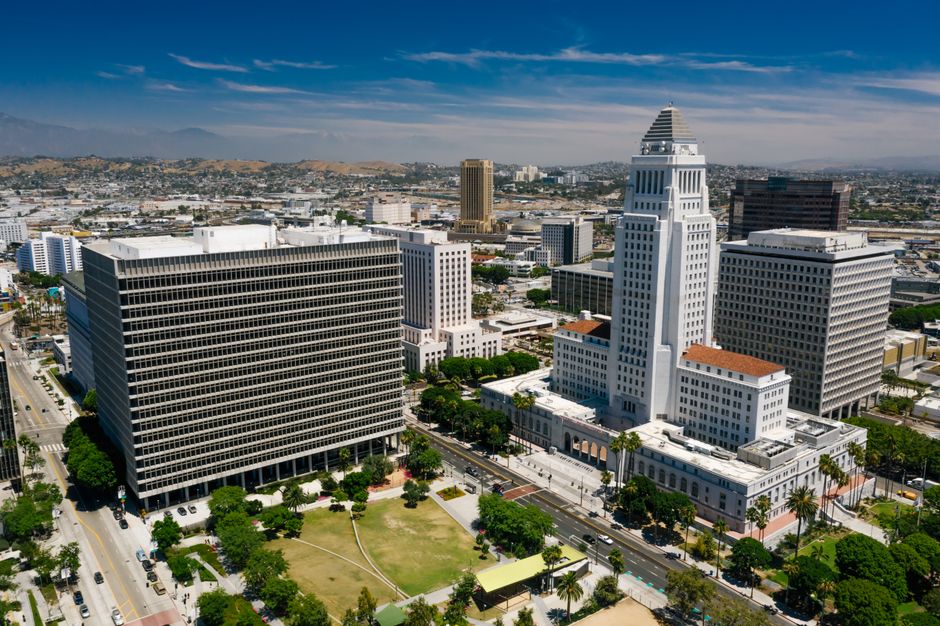
Los Angeles is experiencing a measurable shift in its visitor economy—one that extends far beyond headline arrivals. The data tells a story of deepening economic resilience that's now driving significant capital allocation decisions across the city's hospitality and real estate sectors.
Hotel occupancy in Central Los Angeles reached 82% in May, up from 76% the same month last year, according to industry tracking services. That 6-point swing matters enormously. When rooms fill reliably, hotel operators justify renovations and expansions. The Marriott's recent $40 million renovation of its Downtown property on Hope Street exemplifies this confidence. Similar projects are underway across Midtown, along Wilshire Boulevard, and in Hollywood.
Convention business provides clearer economic insight than casual tourism. The Los Angeles Convention Center, situated between the Fashion District and South Park, hosted 41 major events in the first half of 2026—a 12% increase from the comparable 2025 period. Each convention pumps direct spending into restaurants, retail, and transportation. A four-day tech conference generates roughly $8.2 million in local economic impact, studies show. Scale that across dozens of events, and you're looking at hundreds of millions flowing through the broader economy.
International visitor composition is equally telling. Japanese tourists, whose spending per visit averages $3,400, have increased 18% year-over-year. That demographic tends to book premium experiences—guided tours through Griffith Observatory, fine dining in Silver Lake, shopping on Melrose Avenue. The money concentrates in higher-margin businesses, which reinvest more aggressively.
Investment flows reflect this optimism. Private equity firms have purchased four boutique hotels in Santa Monica and West Hollywood since January 2026, betting on sustained demand. The deals suggest confidence in sustained 4% annual visitor growth—modest but consistent. Developers are simultaneously moving forward with mixed-use projects combining short-term rental inventory with residential and retail components, particularly along the Arts District near the LA River.
Yet headwinds exist. Airfare pricing remains elevated, constraining budget-conscious domestic travelers. Airport ground transportation costs have climbed 11% year-over-year, creating friction at LAX. These friction points compress margins for smaller operators, even as aggregate spending rises.
The takeaway: Los Angeles's visitor economy isn't surging dramatically, but it's stabilizing at healthy levels. That stability justifies investment. When hoteliers, developers, and convention planners commit capital with confidence, downstream effects ripple through construction, hospitality staffing, and local supply chains. For a sprawling, service-dependent city like Los Angeles, those signals matter more than any single headline.
This article was compiled by AI from the sources linked above and screened before publishing. See our editorial standards.
How does this story make you feel?
Spread the word
About this article
Published by The Daily Los Angeles
Daily brief
Free, in your inbox before 7am. Weekdays.
More in Business