Los Angeles Office Market Shifts Dramatically: What Businesses Need to Know Right Now
As hybrid work reshapes demand and conversion projects reshape supply, LA's commercial real estate landscape is entering a pivotal new phase.
As hybrid work reshapes demand and conversion projects reshape supply, LA's commercial real estate landscape is entering a pivotal new phase.
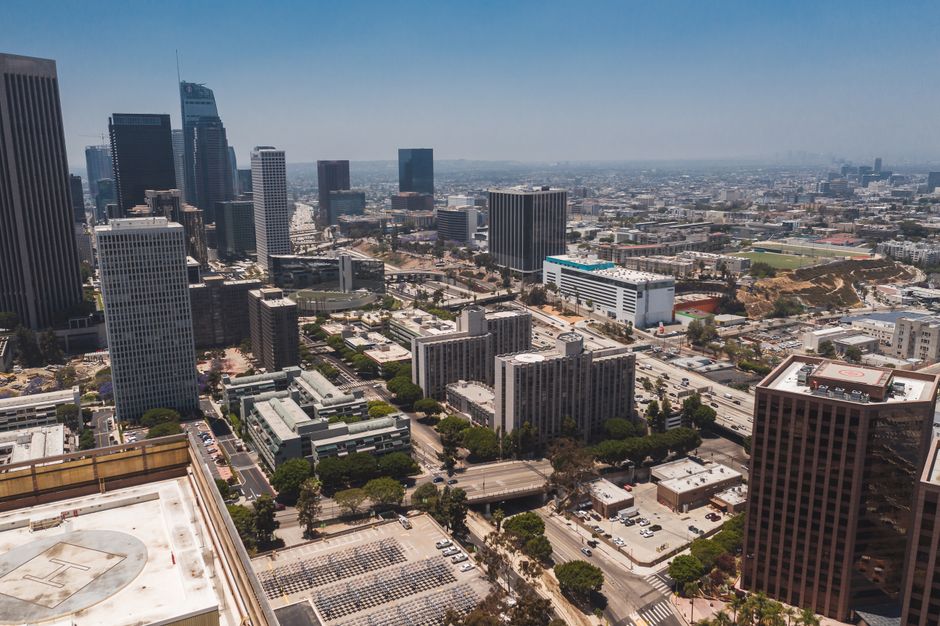
The Los Angeles office market is experiencing seismic shifts that every business leader should understand. After years of pandemic-driven uncertainty, the commercial property landscape is settling into a new equilibrium—one that fundamentally challenges traditional assumptions about workspace.
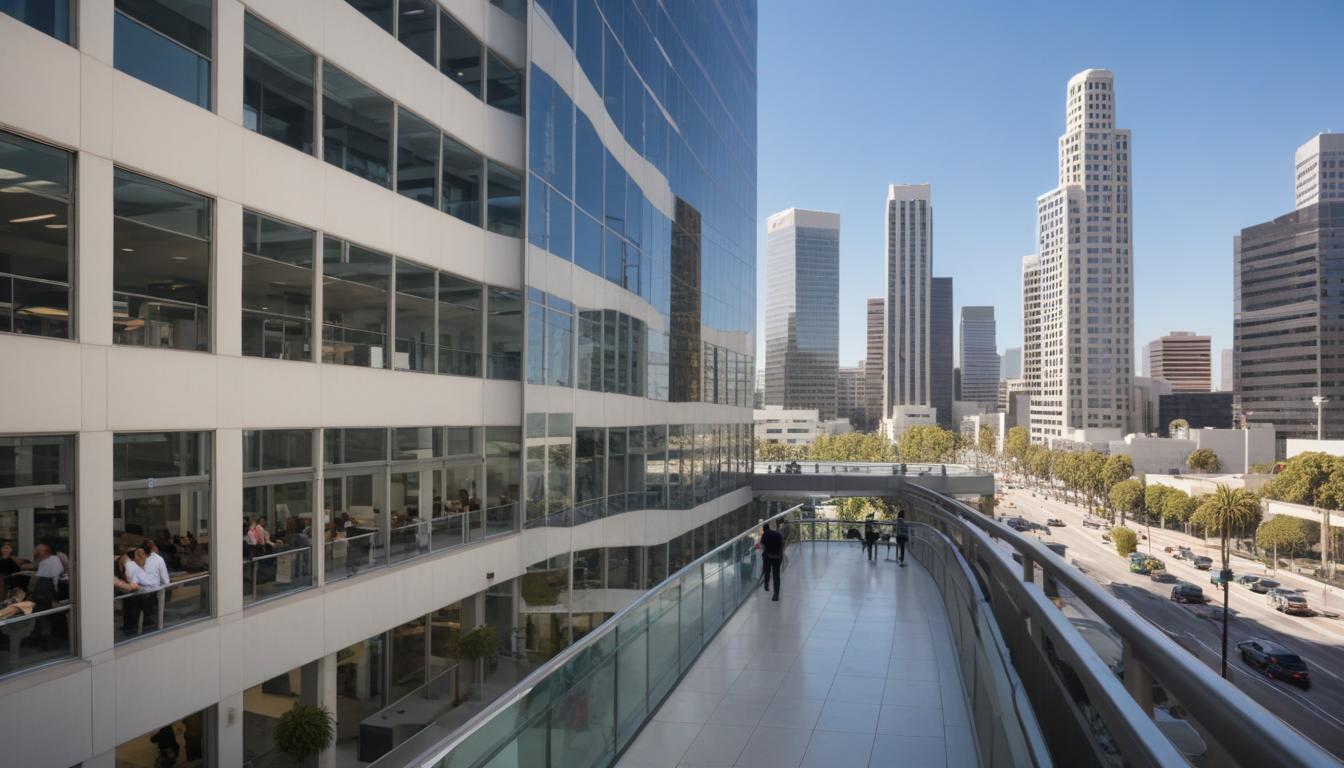
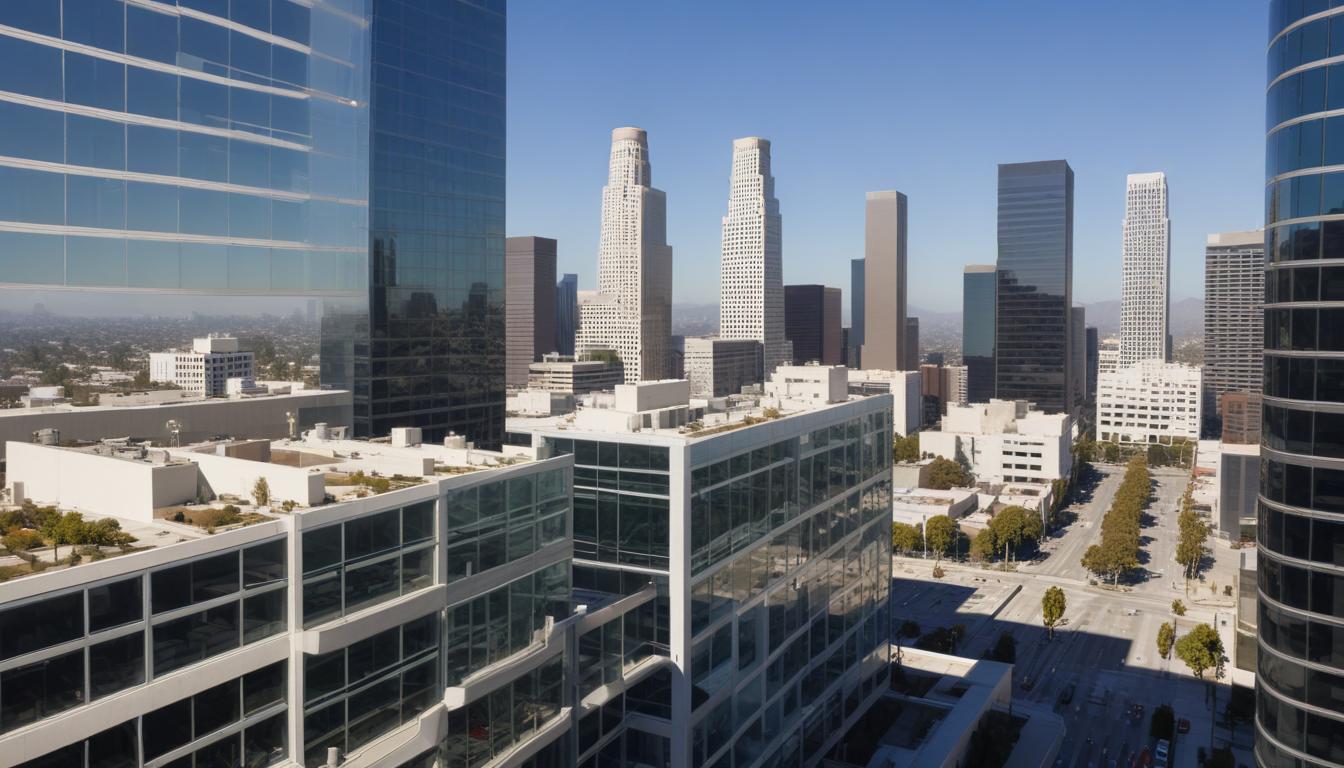
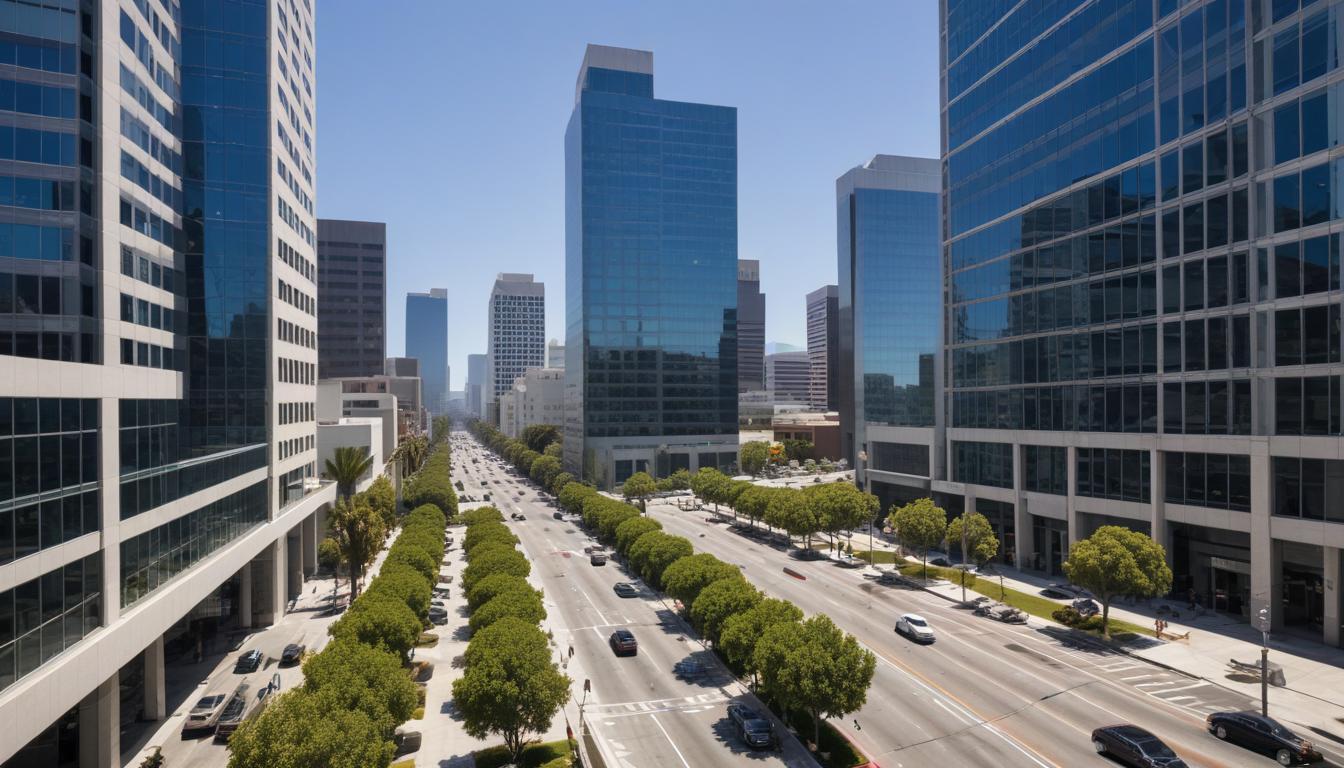
Downtown Los Angeles remains the epicenter of activity, but vacancy rates tell a complicated story. While prime real estate along Flower Street and South Hope Street commands premium pricing above $50 per square foot annually, secondary corridors are struggling to fill spaces. The overall downtown vacancy rate hovers near 20%, well above pre-pandemic levels, forcing landlords to offer concessions and flexible lease terms that would have been unthinkable five years ago.
The conversion wave is reshaping the market's contours. The Historic Core—spanning the blocks between 3rd and 9th Streets—has emerged as a laboratory for adaptive reuse. Class-B office buildings built in the 1920s and 1930s are rapidly transforming into residential and mixed-use complexes. This trend is slowly reducing excess supply while creating new demand patterns. Business leaders eyeing a move should monitor these conversions carefully; they're reshaping neighborhood character and tenant demographics in ways that affect commercial viability.
Westside submarkets tell a different story. Santa Monica, Brentwood, and the Miracle Mile remain desirable for companies prioritizing West LA talent pools, though monthly rents exceed $70 per square foot in premium locations. However, even here, hybrid work policies are dampening demand. Companies that once occupied 50,000 square feet now require only 35,000, with hoteling spaces replacing assigned desks.
The suburbs are consolidating gains. Culver City and Burbank have attracted significant tenant interest from entertainment and technology sectors, offering lower per-square-foot costs and proximity to major employers. Culver City's creative office space—particularly around Washington Boulevard—continues appreciating as production companies and digital media firms establish regional hubs.
For businesses evaluating their real estate strategy, flexibility should be paramount. Long-term leases are riskier in this environment. Shorter terms, expansion options, and break clauses offer protection against unpredictable shifts in workforce preferences. Additionally, location matters differently now. Proximity to public transit, quality-of-life amenities, and collaboration spaces have become negotiating points alongside traditional factors like parking and square footage.
The message is clear: Los Angeles's office market rewards strategic adaptability. Companies that remain nimble—willing to relocate as neighborhood dynamics shift or to embrace flexible space arrangements—will navigate this transition most successfully. Those clinging to outdated workspace models risk overpaying for underutilized real estate.
This article was compiled by AI from the sources linked above and screened before publishing. See our editorial standards.
How does this story make you feel?
Spread the word
About this article
Published by The Daily Los Angeles
Daily brief
Free, in your inbox before 7am. Weekdays.
More in Business