LA's Office Market Shifts: What Businesses Need to Know Right Now
As remote work reshapes demand and vacancy rates climb, commercial property owners and tenants face a new reality in Downtown, Westside, and emerging submarkets.
As remote work reshapes demand and vacancy rates climb, commercial property owners and tenants face a new reality in Downtown, Westside, and emerging submarkets.
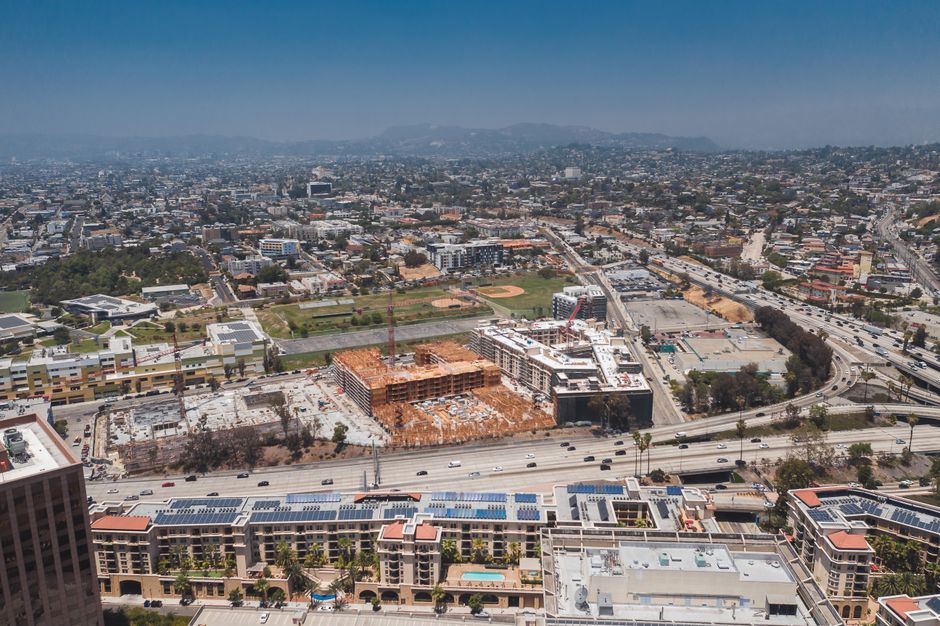
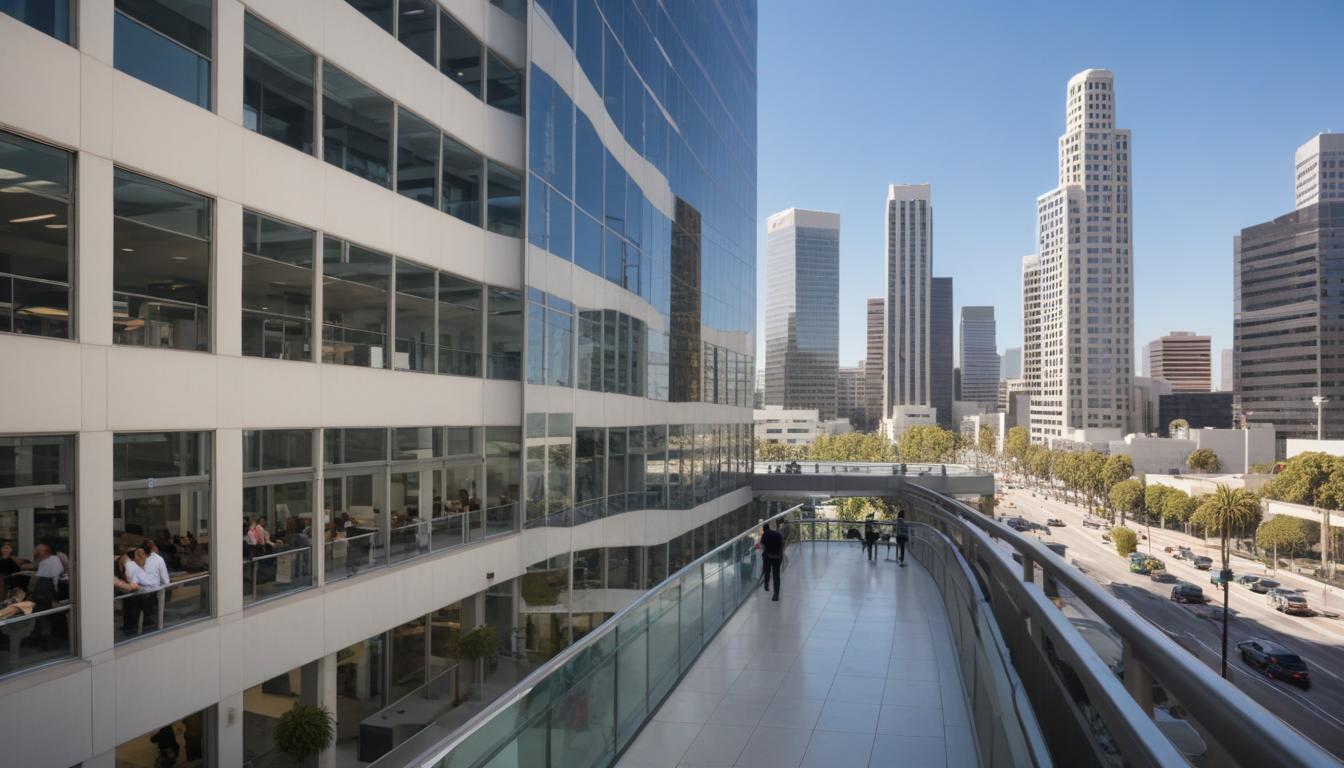
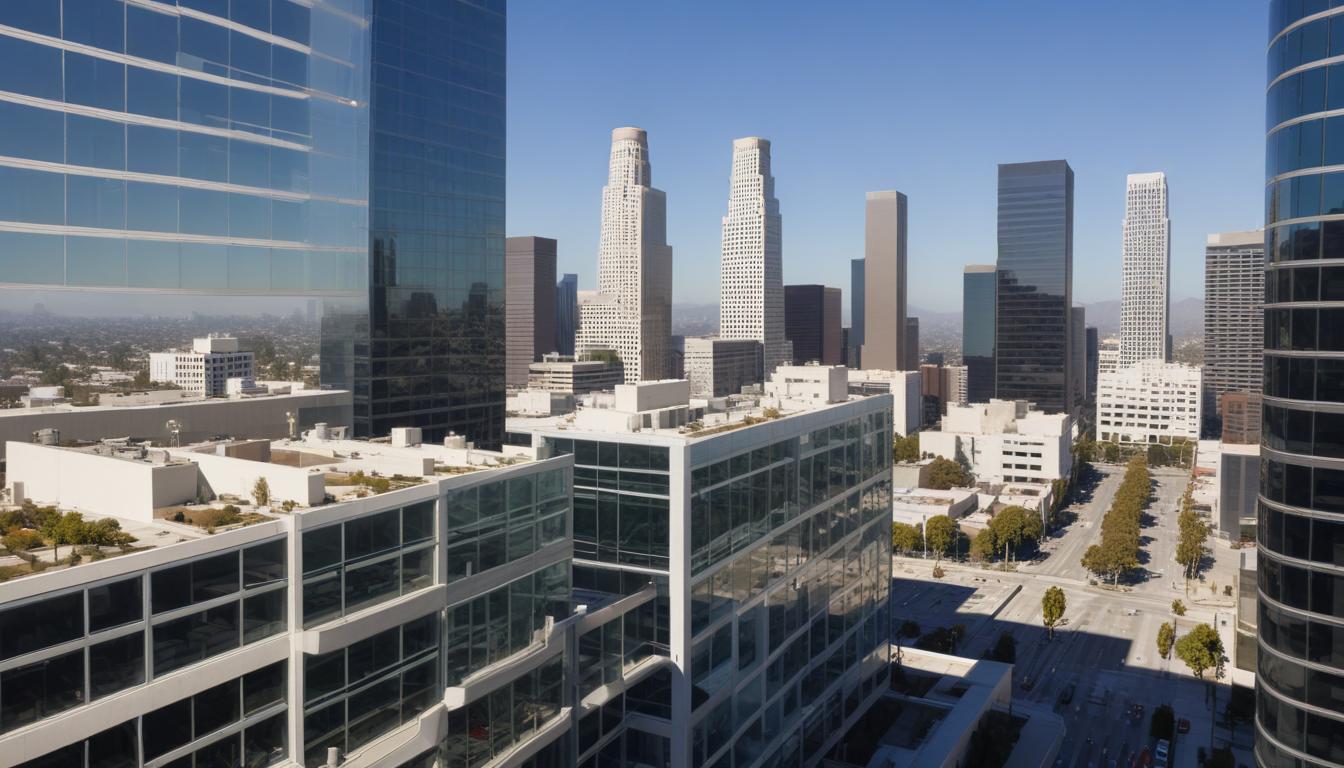
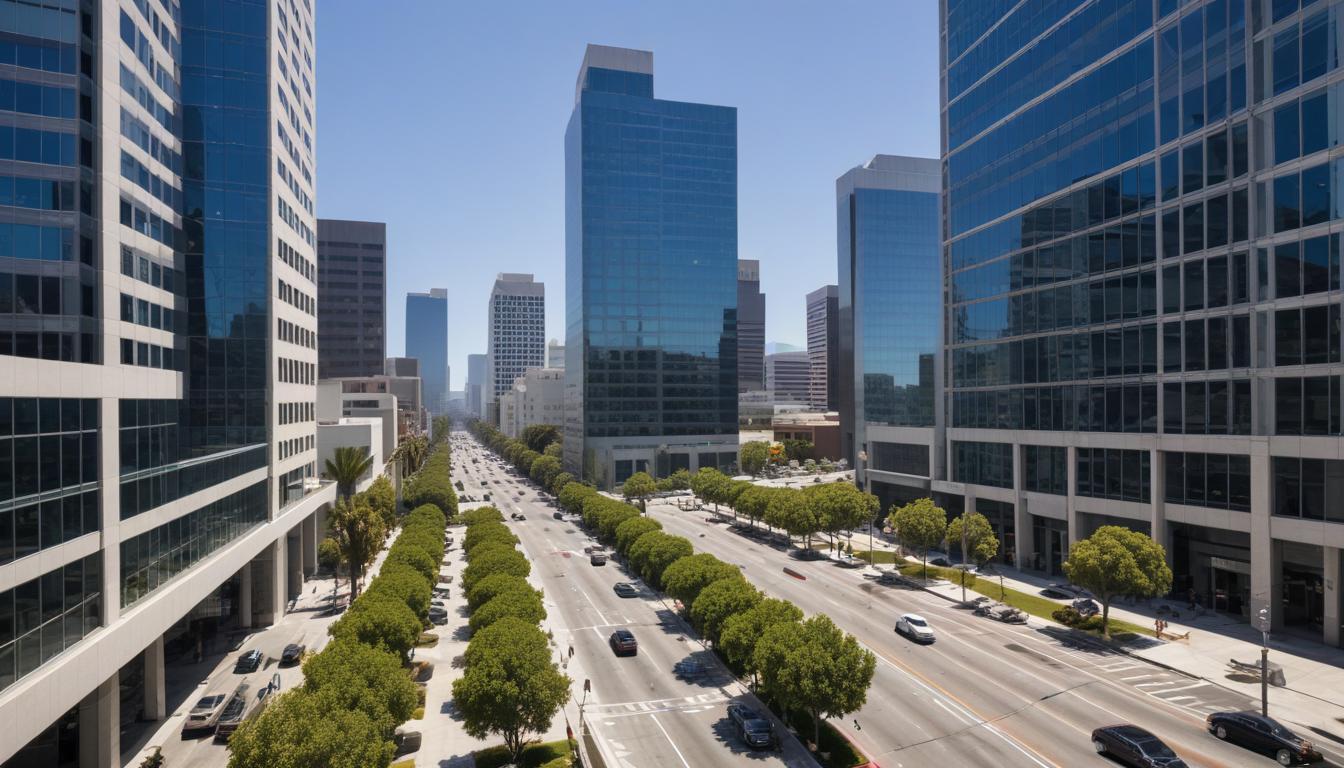
Los Angeles's commercial real estate landscape is undergoing a fundamental recalibration. After years of pandemic-era uncertainty, the office market is settling into a new equilibrium—one that differs markedly from the pre-2020 boom that saw rents climbing steadily across Downtown LA and the Westside.
Current data shows vacancy rates hovering around 18-20% in Downtown's Financial District, with Class A office space along Flower Street and South Hope Street facing particular headwinds. Asking rents have moderated to approximately $4.50-$5.50 per square foot monthly, down from peaks above $6 just three years ago. For businesses evaluating expansion or relocation, the math has shifted significantly.
The hybrid work revolution continues driving this change. Major corporations—particularly in entertainment, finance, and technology—are right-sizing their footprints rather than expanding. This has created a bifurcated market. Premium, recently renovated Class A properties with modern amenities, transit access, and flexibility (including ground-floor retail integration) remain competitive. Meanwhile, older Class B and C buildings are facing longer vacancy periods and steeper concessions from landlords.
Submarkets beyond traditional corridors are gaining traction. The Arts District continues its transformation into a mixed-use destination, attracting creative industries and younger companies willing to trade proximity to Century City for character and lower rents. Similarly, areas around the Expo Line stations in West LA—particularly near Venice Boulevard and Bundy Drive—are drawing tenants seeking cost-effective locations with employee transit options.
For business decision-makers, several trends warrant attention. First, tenant improvement allowances have become negotiable again; landlords are investing more heavily in customized spaces to close deals. Second, flexible lease terms—including shorter initial periods and break clauses—are now standard market practice rather than exceptions. Third, the convergence of office and residential is accelerating, particularly in mixed-use developments along the Wilshire Corridor and in Santa Monica.
The sustainability imperative also shapes competition. Properties with LEED certification or strong ESG credentials command premiums from corporations managing environmental commitments and attracting talent concerned about workplace environmental standards.
Geopolitical factors and potential policy shifts—including corporate tax considerations and regulatory changes—are adding another layer of complexity to long-term occupancy decisions. Prudent businesses are stress-testing their space strategies against multiple scenarios rather than betting on historical growth patterns.
The window for negotiating favorable terms remains open, but it's closing. As confidence returns and select trophy assets tighten, the advantage businesses currently enjoy in lease negotiations will diminish. The time to act on strategic real estate decisions is now.
This article was compiled by AI from the sources linked above and screened before publishing. See our editorial standards.
How does this story make you feel?
Spread the word
About this article
Published by The Daily Los Angeles
Daily brief
Free, in your inbox before 7am. Weekdays.
More in Business