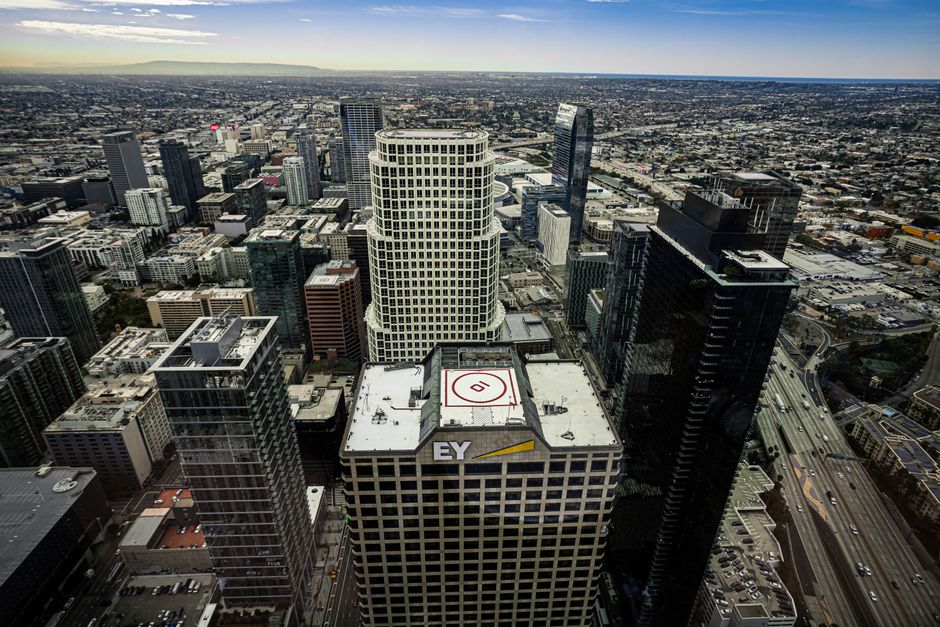
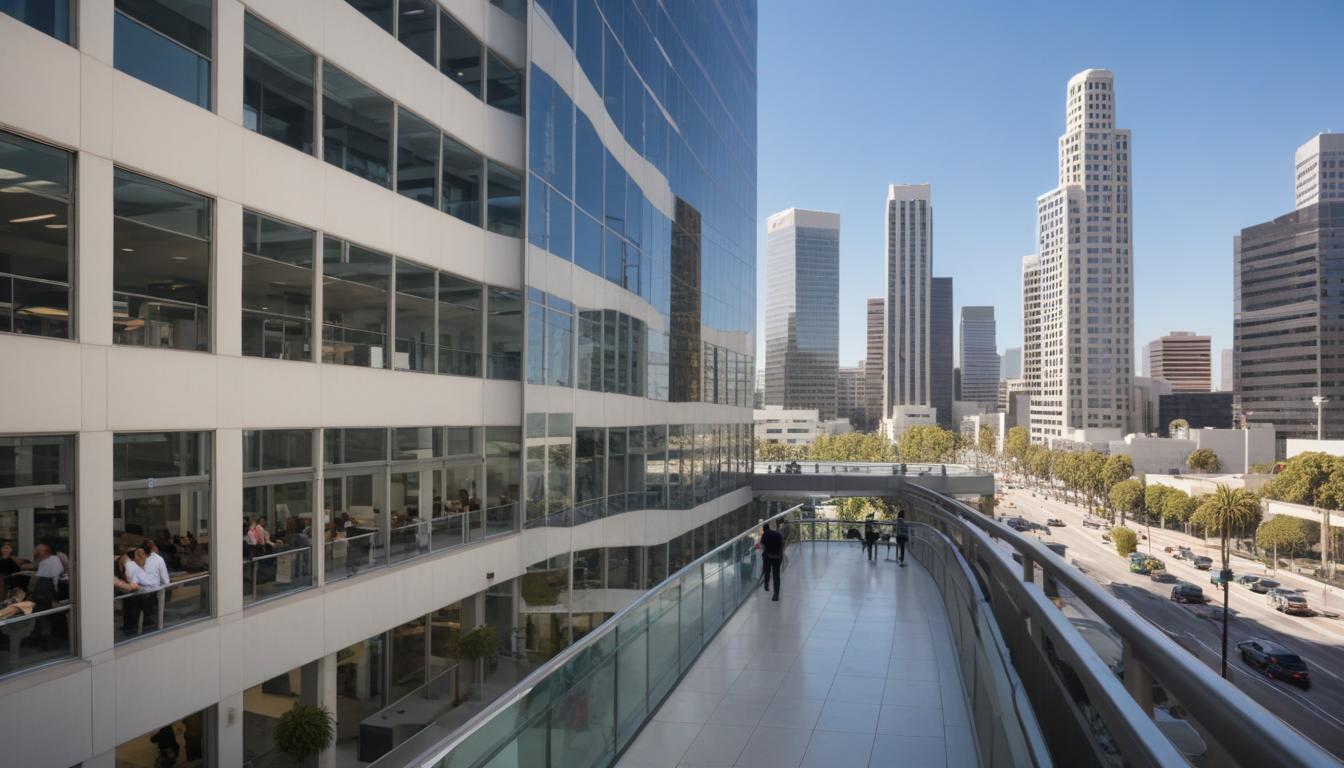
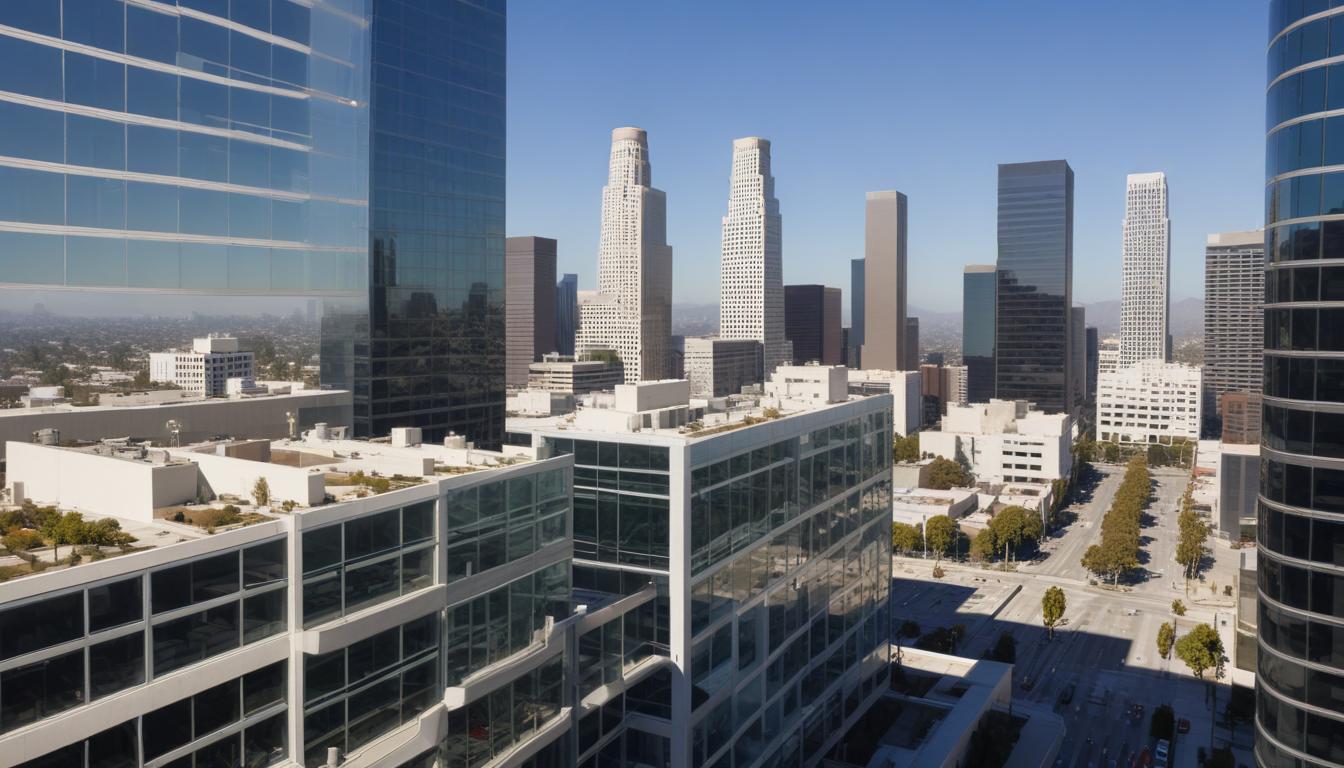
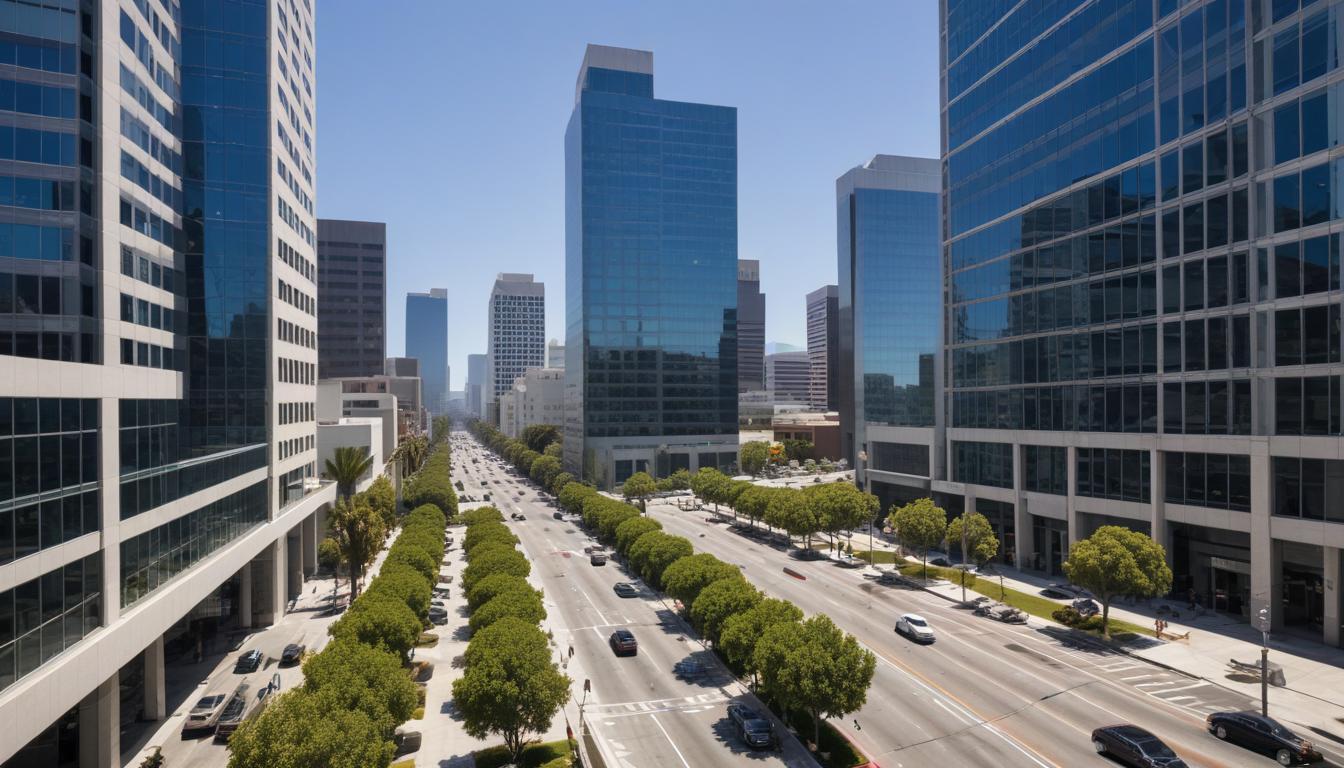
Los Angeles's vaunted tourism machine—a sector that typically generates $28 billion annually for the regional economy—is grinding through one of its roughest patches in over a decade. With international visitor numbers down roughly 12% year-over-year through the first half of 2026, major hotels along the Wilshire Corridor are cutting staff, and operators across Downtown LA, Santa Monica, and Hollywood are grappling with softening demand and compressed margins.
The headwinds are converging from multiple directions. Geopolitical tensions rippling from the Middle East have spooked European travelers, traditionally a cornerstone demographic for luxury properties in Beverly Hills and Century City. Meanwhile, currency fluctuations—particularly a strengthened dollar—have made LA's premium offerings less competitive for international visitors. A room at a four-star hotel on Sunset Boulevard now routinely commands $350 to $450 per night, a 22% increase from 2024 levels, even as occupancy rates have dipped to 78% at some premium properties.
The Los Angeles Tourism & Convention Board has tempered growth projections for the year to just 2.3%, down from the optimistic 6% forecasted at the start of 2026. Leisure travel—the backbone of the visitor economy—has proven particularly vulnerable. Airfare volatility and domestic economic uncertainty have prompted many American tourists to curtail travel budgets or opt for closer destinations.
The pain is acute in neighborhoods that depend most heavily on tourism dollars. In Hollywood, foot traffic along Hollywood Boulevard and at major attractions like the TCL Chinese Theatre is noticeably lighter. Mid-range hotels in the area report that summer bookings are running 15% below last year. Downtown's Arts District and Grand Central Market, which have emerged as increasingly popular draw for international visitors, are seeing softer traffic as well.
Convention business—typically the most reliable revenue stream—offers a mixed picture. The Los Angeles Convention Center has secured major bookings through 2027, but some mid-sized corporate events have relocated to competing cities, spooked by rising costs and logistics challenges.
Industry observers say recovery depends on stabilization of international conditions and moderating price pressures. The Greater Los Angeles Area Chamber of Commerce has quietly begun discussions with hospitality operators about discounting strategies and promotional campaigns targeting regional markets. Some smaller hotels are experimenting with extended-stay packages and partnerships with corporate travel programs to shore up occupancy.
For now, LA's tourism leaders are hunkering down, hoping that the latter half of 2026 brings better news—and betting that the city's unmatched attractions will eventually overcome this year's stubborn headwinds.
This article was compiled by AI from the sources linked above and screened before publishing. See our editorial standards.