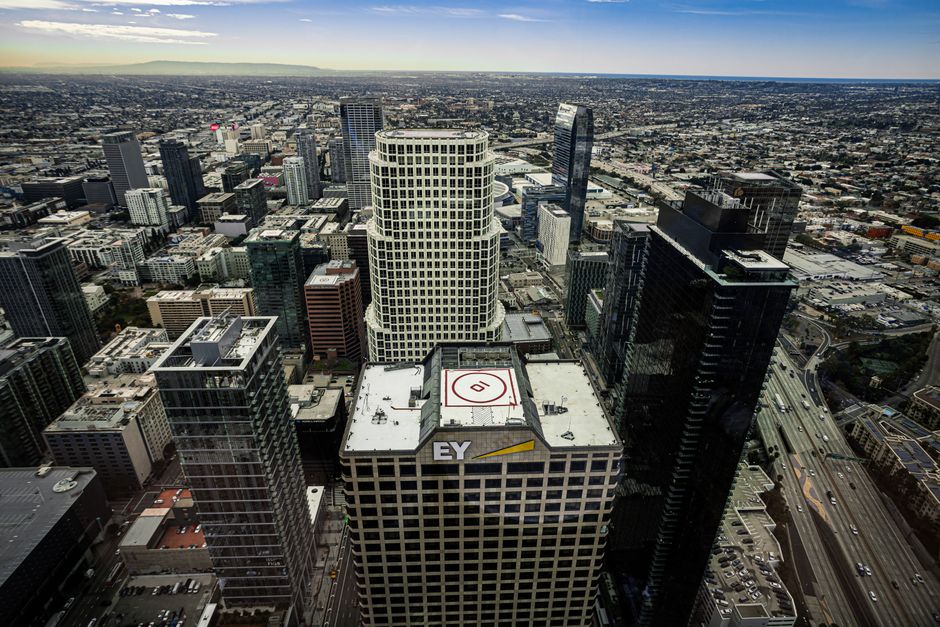
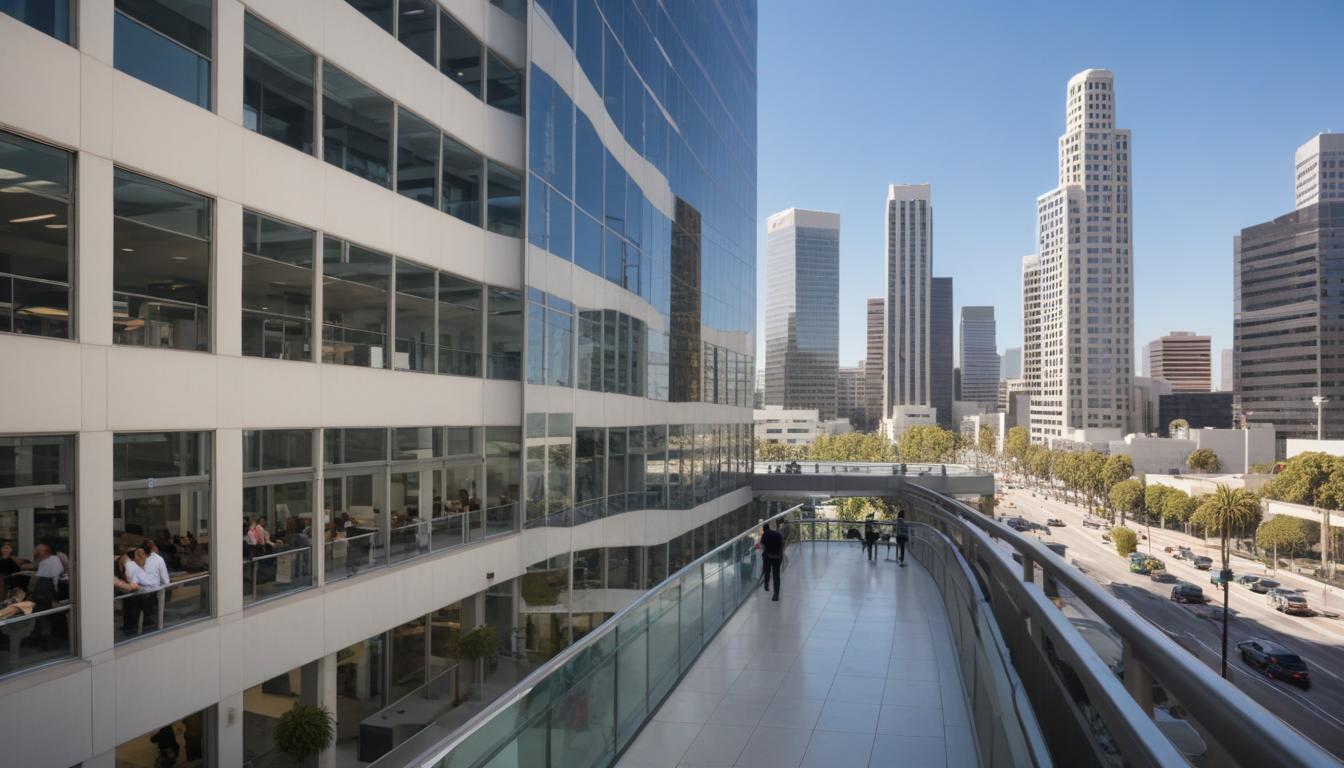
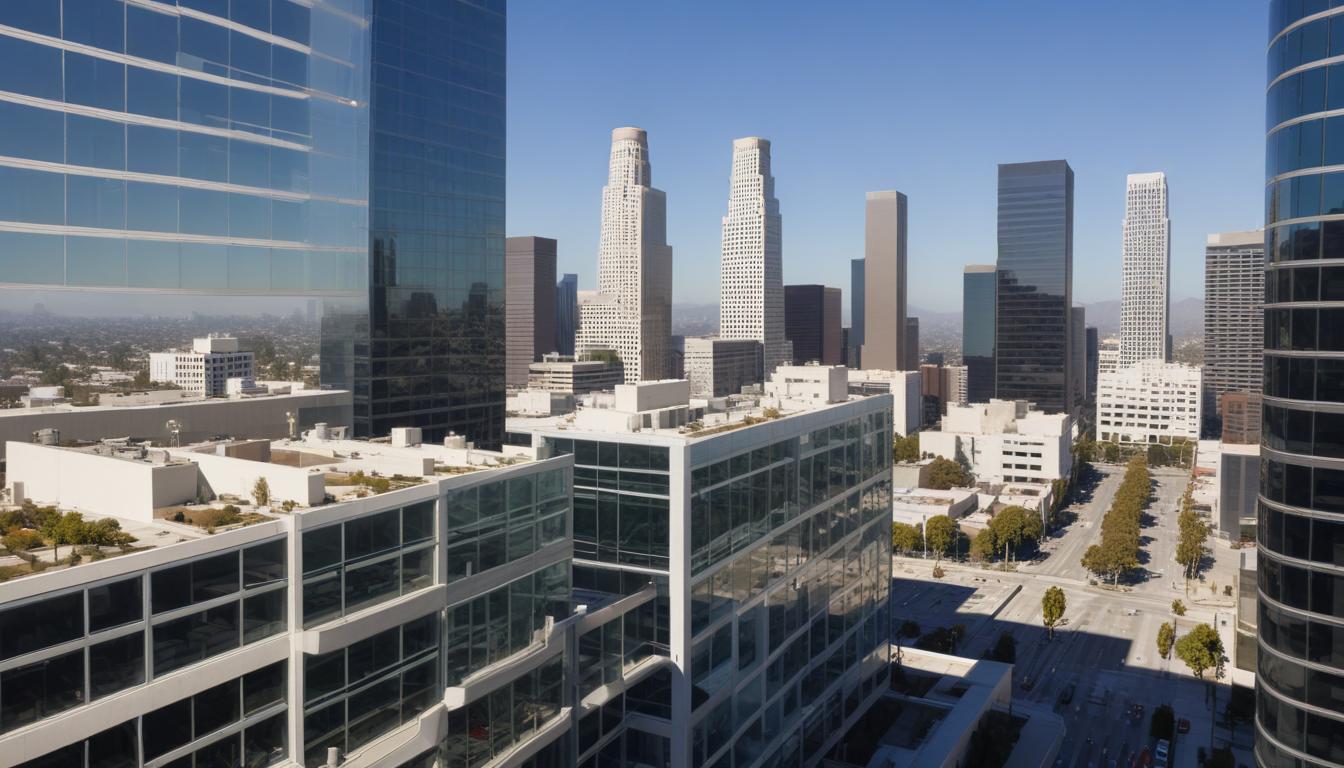
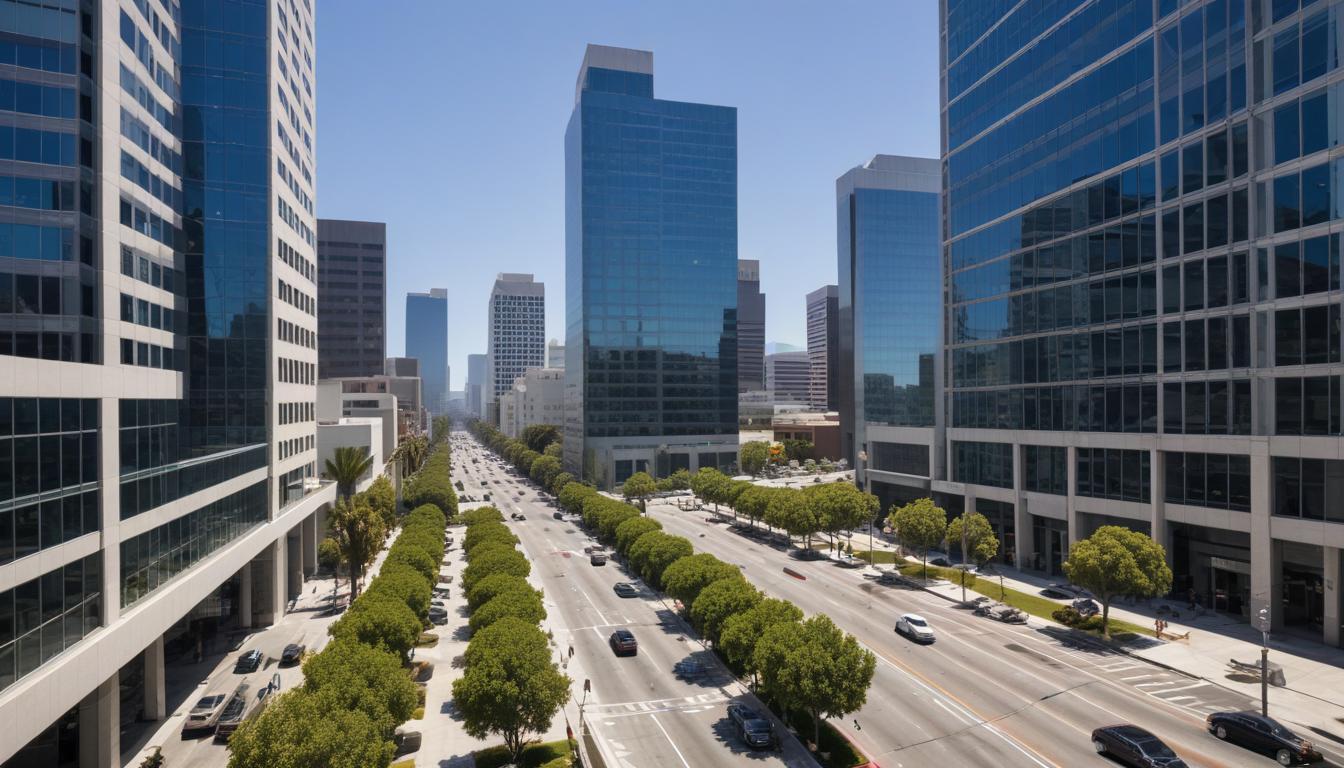
The transformation is visible on every block of Wilshire Boulevard and throughout downtown's Financial District. Vacant office towers stand alongside half-empty class-A buildings, a physical manifestation of a deeper seismic shift reshaping Los Angeles's competitive advantage in attracting and retaining talent.
Commercial office vacancy in Los Angeles County reached 18.2% in the first quarter of 2026, according to regional real estate data, with downtown Los Angeles and the Westside experiencing the steepest declines. In Century City, where some of the city's most prestigious entertainment and corporate tenants once held court, landlords are offering up to 16 months of free rent to fill spaces that previously commanded premium rates. The shift has forced companies—from tech startups to established financial services firms—to fundamentally reconsider how they recruit and retain talent in an increasingly competitive market.
The ripple effects are reshaping Los Angeles's employment landscape in unexpected ways. Companies that once anchored their operations in signature office parks along the Sunset Strip or in the gleaming towers of downtown's Bunker Hill now face genuine choices about their real estate footprint. Some have downsized aggressively; others have embraced hybrid models that allow recruiting talent from across Southern California and beyond without maintaining expensive full-time office capacity.
This fragmentation is benefiting smaller markets. Santa Monica and Culver City have seen modest upticks in tenant interest as companies seek alternatives to expensive, aging Class-B stock in traditional office corridors. Meanwhile, neighborhoods like Arts District and Silver Lake have attracted younger companies willing to occupy converted warehouses and non-traditional office spaces, fundamentally altering the city's geographical talent distribution.
The talent implications are profound. Workers who once gravitated toward prestigious downtown addresses or the entertainment industry's established ecosystems now have leverage. Candidates are negotiating remote-work arrangements, flexible schedules, and location flexibility that would have been unthinkable five years ago. For mid-market companies, this creates both opportunity and risk—the talent pool has widened, but retention has become more precarious.
Real estate professionals predict further consolidation. Older office buildings lacking modern amenities or technology infrastructure face potential conversion into residential or mixed-use projects. This structural shift will likely push quality tenants toward newer, amenity-rich facilities, potentially concentrating Los Angeles's professional workforce in fewer, better-maintained hubs. For HR departments and recruiters across the city, adaptation is no longer optional—it's existential.
This article was compiled by AI from the sources linked above and screened before publishing. See our editorial standards.