Los Angeles Investment Sector Faces Perfect Storm of Headwinds in 2026
Rising costs, geopolitical uncertainty, and shifting capital flows are reshaping how wealth managers and financial advisors operate across the city's competitive landscape.
Rising costs, geopolitical uncertainty, and shifting capital flows are reshaping how wealth managers and financial advisors operate across the city's competitive landscape.
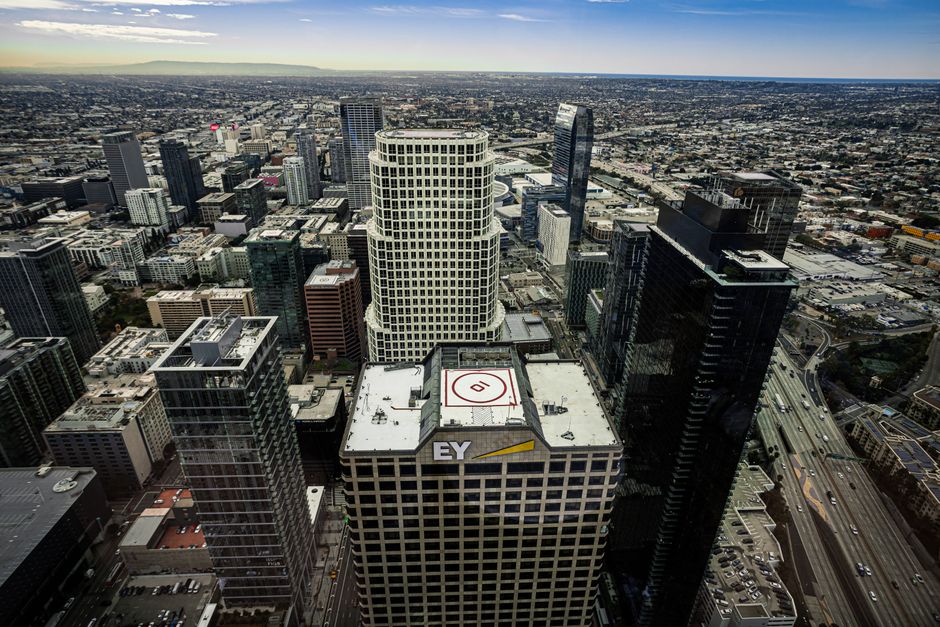
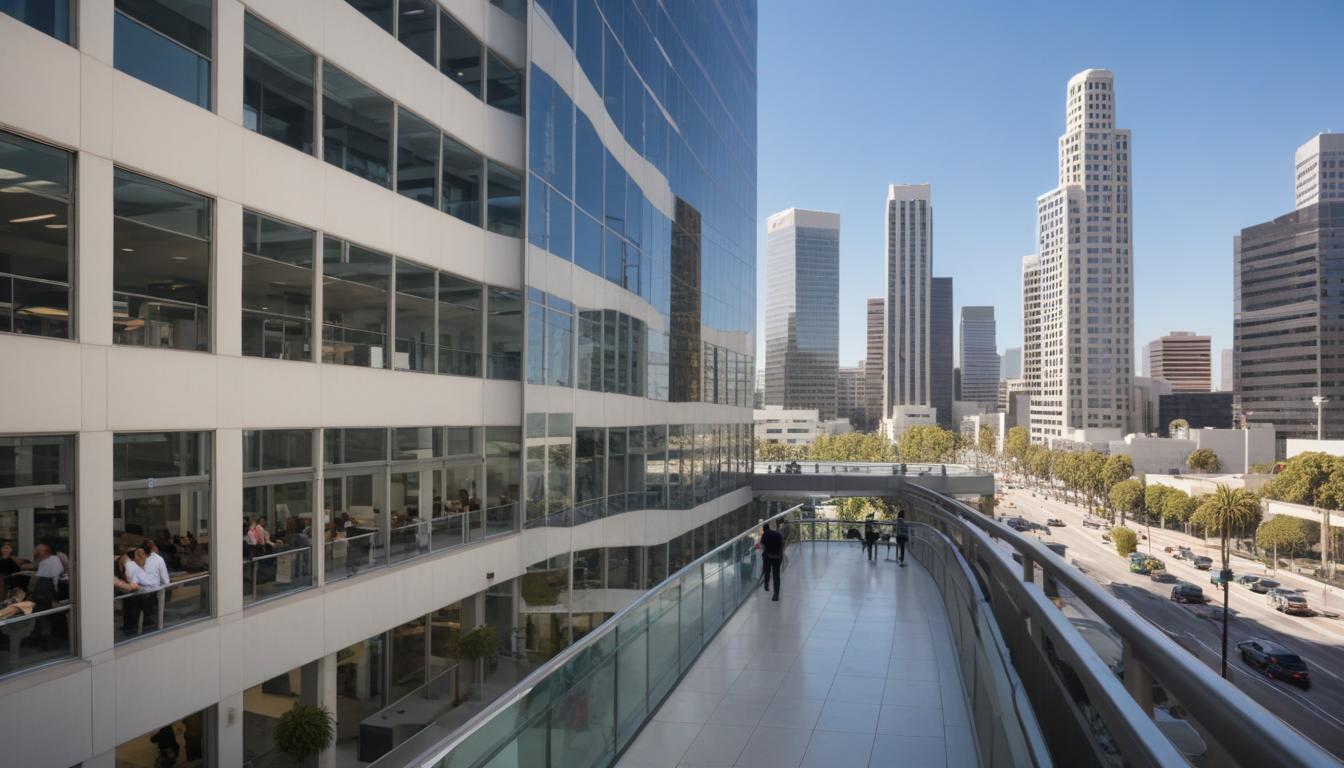
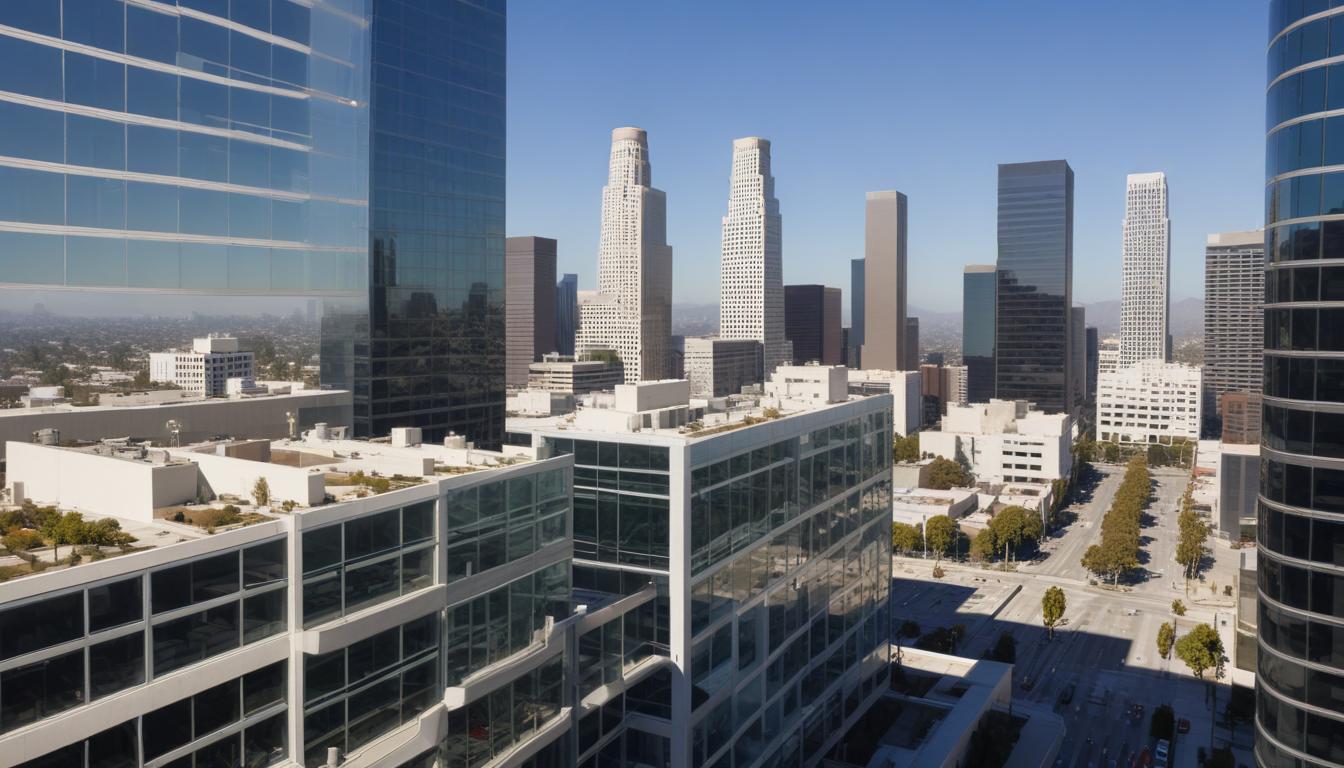
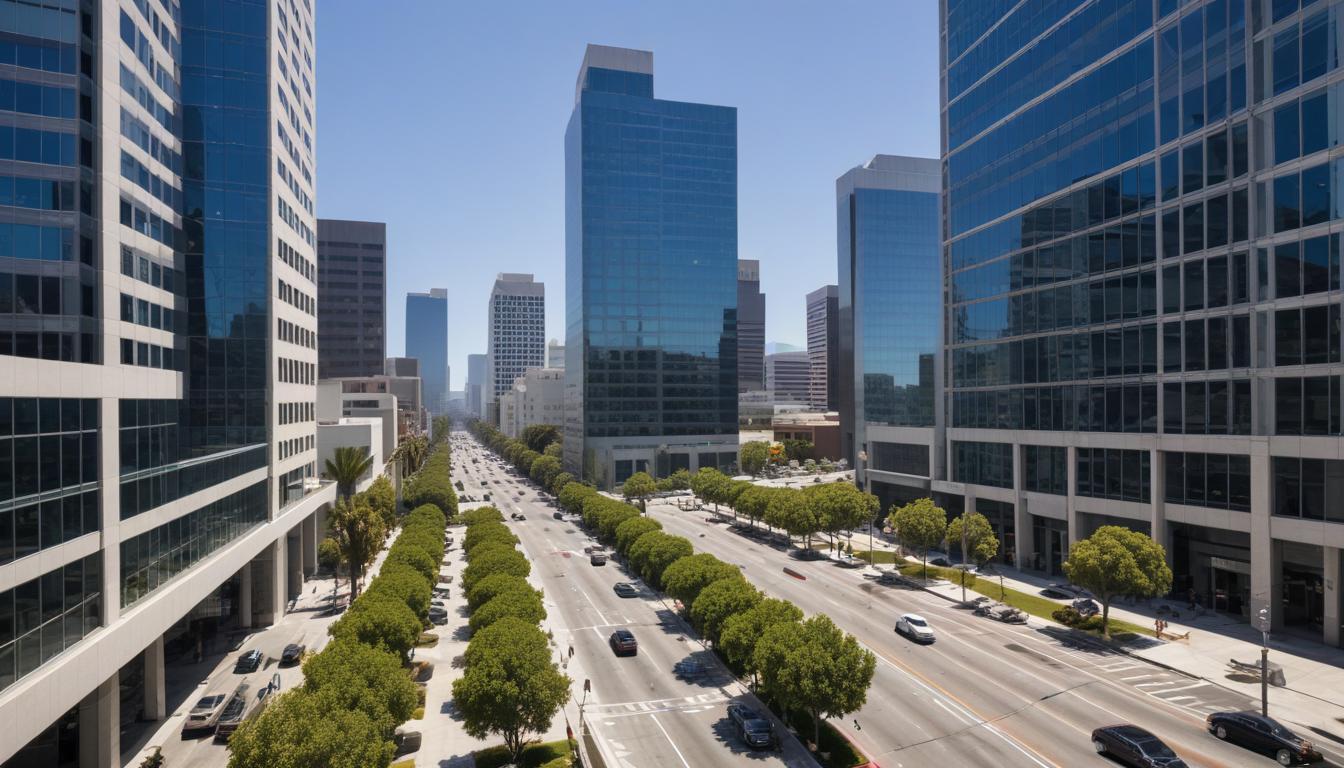
The gleaming office towers along Wilshire Boulevard and the wealth management firms clustered in Century City are confronting a sobering reality: 2026 is shaping up to be one of the most challenging years for Los Angeles's investment sector in nearly a decade.
The headwinds are mounting from multiple directions. Real estate investment—traditionally a pillar of LA's financial ecosystem—is grappling with median home prices in West Los Angeles hovering above $2.8 million, a figure that has effectively priced out institutional investors seeking yield in residential markets. Commercial real estate, meanwhile, has been hammered by persistent vacancies and refinancing nightmares as properties face maturity dates at interest rates dramatically higher than their original terms.
"We're seeing clients recalibrate expectations about what returns look like in real estate," says one senior investment strategist at a major LA-based firm, speaking on condition of anonymity. The shift is forcing advisors along Figueroa Street and in Westwood to restructure portfolios in ways they haven't needed to do since the pandemic recovery.
Geopolitical instability is adding another layer of complexity. Tensions between the United States and Iran—now dominating news cycles—threaten energy markets and global supply chains that directly impact Los Angeles port operations and logistics investments. The Port of Los Angeles, which handles roughly 9 million containers annually, has already seen shipping rates fluctuate wildly, making long-term investment projections increasingly unreliable.
Meanwhile, cost-of-living pressures for ordinary Angelenos are reshaping consumer spending patterns in ways that downstream affect retail and entertainment investments. Downtown Los Angeles and the Arts District, increasingly populated by younger professionals navigating $2,200 average monthly rents, show weaker consumer discretionary spending than historical models predicted.
Tech sector volatility compounds the challenge. Venture capital that once flowed freely into Santa Monica and Culver City startups has become far more selective, with investors demanding profitability over growth-at-all-costs narratives. Early-stage funding rounds have contracted by an estimated 15-20 percent compared to 2024 levels.
For wealth advisors managing seven-figure portfolios across Los Angeles, the answer increasingly involves geographic and sectoral diversification away from traditional LA-dependent investments. International opportunities—despite their own geopolitical risks—are suddenly looking more attractive than local alternatives that were once considered safe bets.
The coming months will reveal whether the sector can adapt quickly enough, or whether this challenging period signals a more fundamental restructuring of how investment capital flows through America's second-largest city.
This article was compiled by AI from the sources linked above and screened before publishing. See our editorial standards.
How does this story make you feel?
Spread the word
About this article
Published by The Daily Los Angeles
Daily brief
Free, in your inbox before 7am. Weekdays.
More in Business