LA Office Market Vacancy Hits 20%: What It Means
Downtown Los Angeles office vacancy climbs as hybrid work reshapes the commercial real estate landscape. How companies are relocating and what workers need to know.
Downtown Los Angeles office vacancy climbs as hybrid work reshapes the commercial real estate landscape. How companies are relocating and what workers need to know.
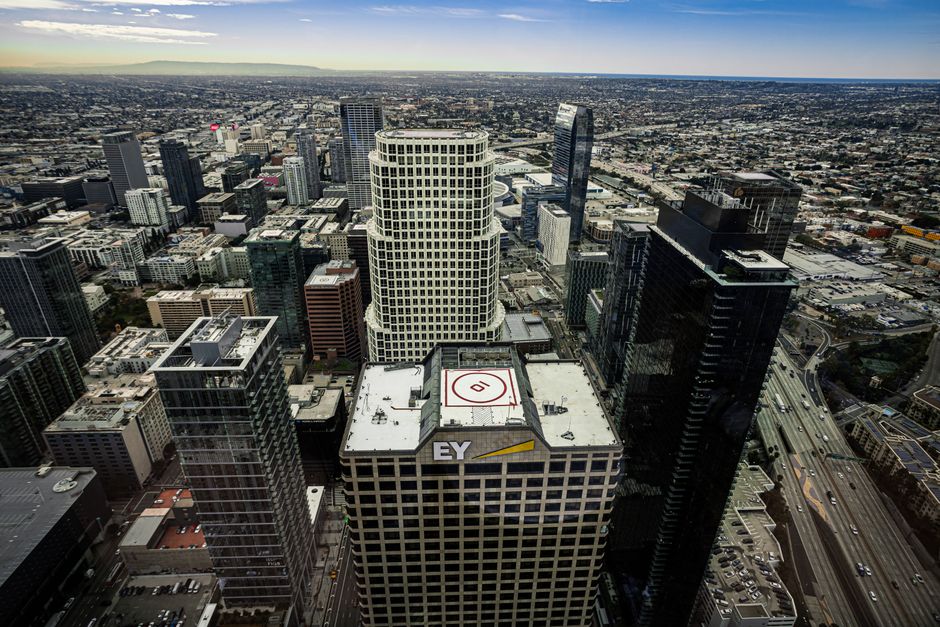
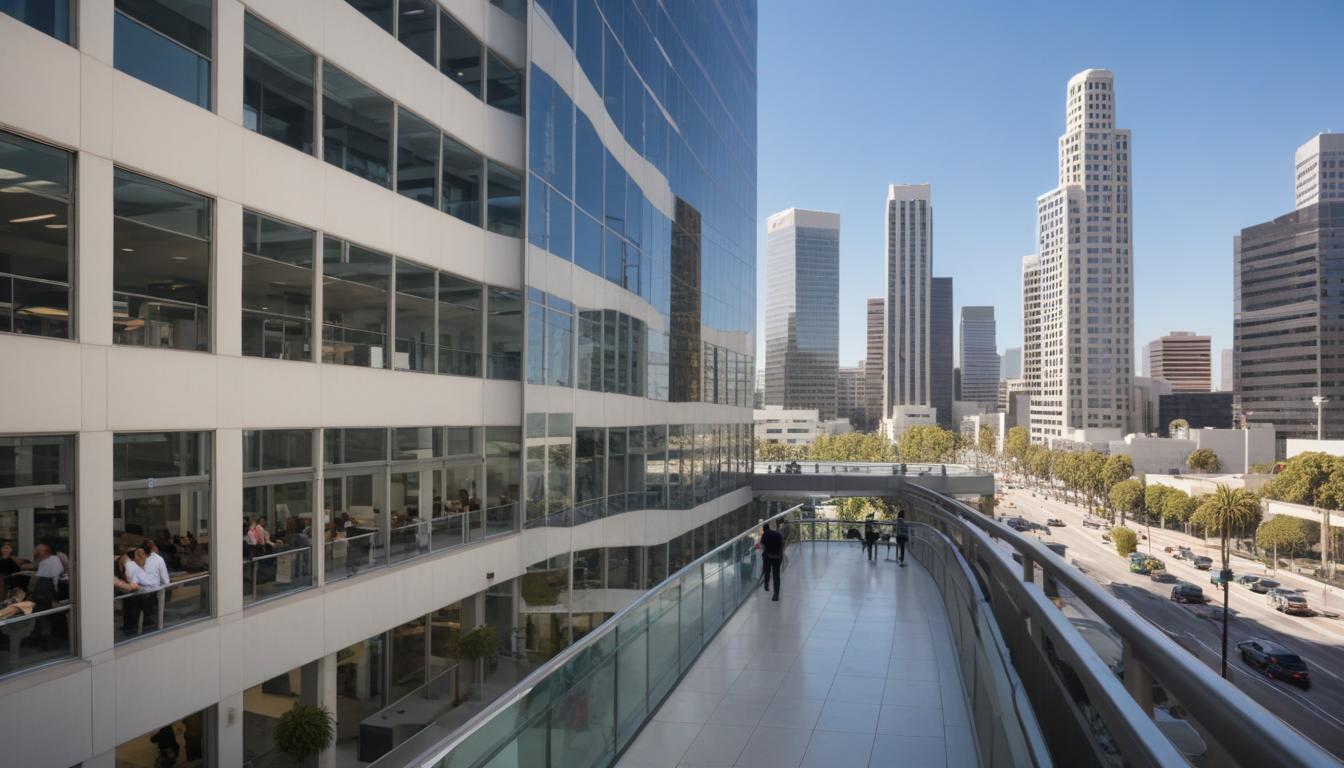
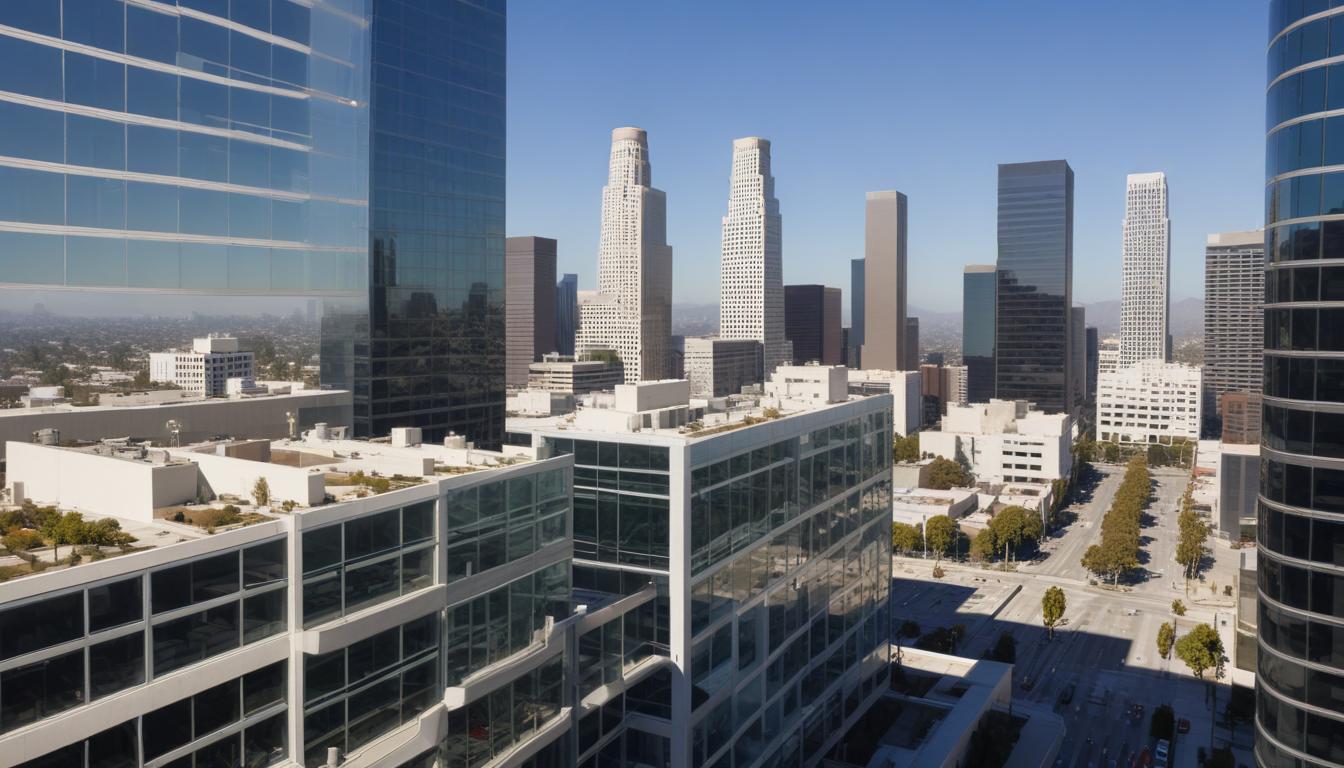
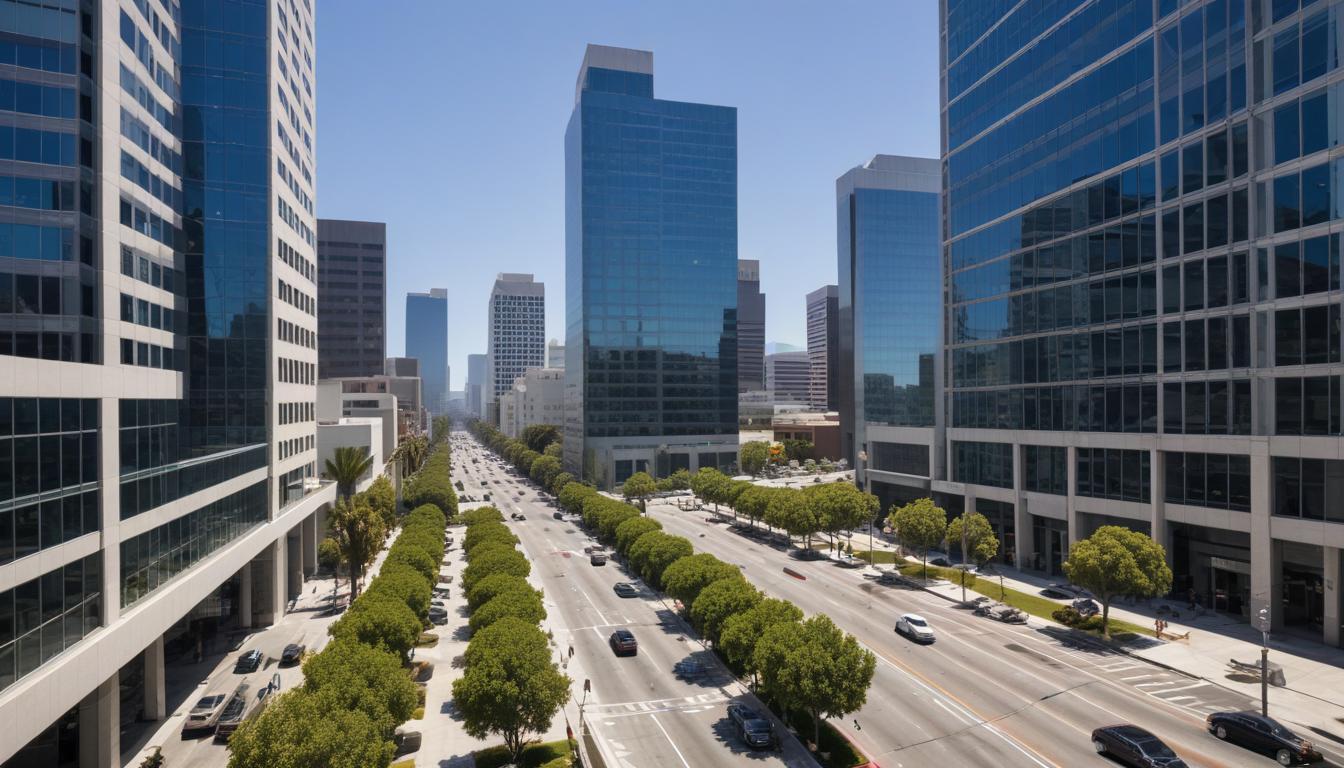
The Downtown Los Angeles office market has entered a new era. Prime commercial real estate along Flower Street and Grand Avenue, once commanding $60 to $70 per square foot annually, has softened considerably as major corporations trim their footprints and accelerate hybrid arrangements. The shift is reshaping where Los Angeles workers live, how companies compete for talent, and which neighbourhoods emerge as economic centres.
Vacancy rates in the Central Business District have climbed to levels not seen in over a decade, with some brokers reporting 20 percent vacancy in premium office towers. Companies like tech firms and creative agencies that once locked in long-term leases are now consolidating into smaller, flexible spaces or relocating to secondary markets like Culver City and Santa Monica, where younger talent increasingly prefers to be based.
The consequences ripple across the employment landscape. Smaller, venture-backed startups that traditionally gravitated toward Downtown's lower costs now find themselves competing for staff across a much wider geographic footprint. A software developer living in Eagle Rock no longer needs a Downtown office to justify a commute; they can accept roles with companies headquartered in Playa Vista or even negotiate full-time remote arrangements.
Meanwhile, established employers face mounting pressure to rethink talent strategies. Firms that once relied on Downtown's central location as a recruiting advantage must now offer flexibility, hybrid schedules, or premium compensation to attract experienced professionals. Companies in the financial, legal, and entertainment sectors—traditionally anchored to specific corridors—are experimenting with satellite offices in the San Fernando Valley and Long Beach to meet workers where they are.
Real estate consultants tracking the market note that leasing activity has shifted toward Class A suburban office parks and mixed-use developments in West Hollywood and Century City, where companies can offer walkable amenities alongside office space. This dispersal, while painful for Downtown's commercial property owners, has created unexpected opportunities for mid-market neighbourhoods and accelerated investment in public transit and remote-work infrastructure.
The talent implications are profound. Job seekers now enjoy unprecedented geographic flexibility, but companies face fragmented teams and higher coordination costs. Industry insiders say the market will likely stabilize into a hybrid model: a smaller Downtown core serving financial and government sectors, with creative and tech talent distributed across multiple subclusters. For Los Angeles workers, that means more choices—and more competition for roles that were once geographically constrained.
This article was compiled by AI from the sources linked above and screened before publishing. See our editorial standards.
How does this story make you feel?
Spread the word
About this article
Published by The Daily Los Angeles
Daily brief
Free, in your inbox before 7am. Weekdays.
More in Business