The coffee shops along Melrose Avenue in West Hollywood have transformed into something resembling co-working spaces, with creators hunched over laptops negotiating brand deals and building audiences that rival television networks. This shift isn't just reshaping how Angelenos work—it's fundamentally altering the city's employment landscape and forcing established businesses to rethink compensation, flexibility, and career trajectories.
According to the Los Angeles Economic Development Corporation, the creator economy now accounts for an estimated 47,000 jobs in the greater LA area, up from roughly 12,000 five years ago. More significantly, average earnings for successful independent creators—those with 100,000-plus followers—now exceed $95,000 annually, a figure that undercuts or matches entry-to-mid-level corporate positions while offering dramatically more autonomy.
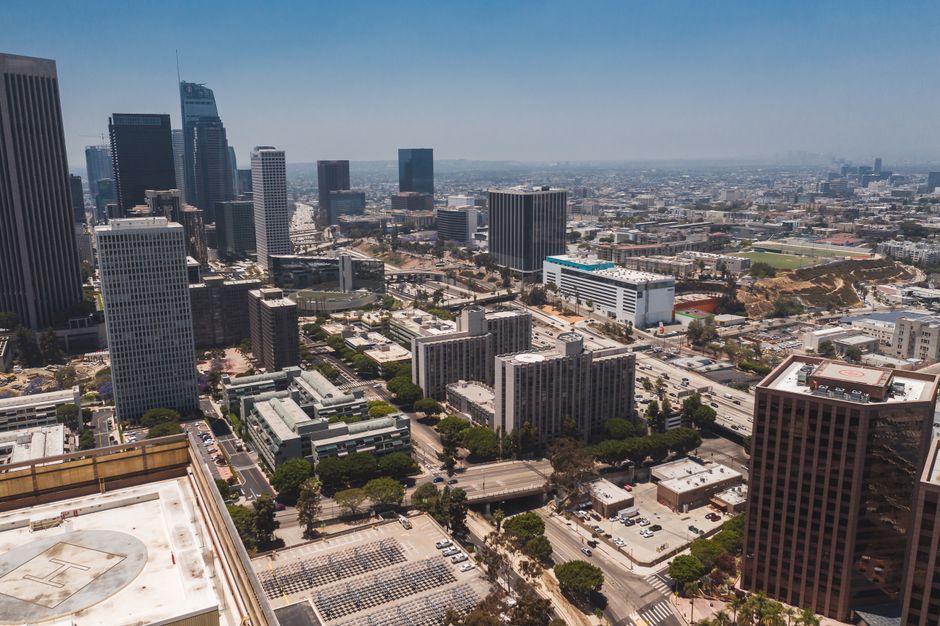
The talent drain is palpable in traditional sectors. Marketing and social media departments across Downtown LA and the Wilshire Corridor report turnover rates approaching 34%, double the pre-2020 average. At the same time, recruitment firms say candidates are increasingly asking for remote-work options, portfolio-building opportunities, and equity stakes—demands shaped by watching peers build independent empires from Silver Lake lofts and Venice studio spaces.
"We're competing against someone's dream," says a talent director at a major LA-based entertainment firm, speaking on condition of anonymity. "A twenty-eight-year-old doesn't want a cubicle when they've seen their classmate hit a million subscribers and land a brand partnership worth $250,000."
Some established businesses are adapting. Agencies now tout creator incubation programs, flexible schedules, and commission structures. The influencer marketing firm Influential, headquartered in Santa Monica, has grown its headcount by 180% in three years by positioning itself as a launchpad rather than a destination. Others aren't so nimble. Several traditional advertising firms have quietly shuttered LA offices, citing talent acquisition difficulties.
Real estate tells another story. Commercial spaces in Arts District and downtown Los Angeles that once housed design studios now feature open-plan layouts marketed to creator collectives and micro-agencies. Average monthly commercial rent in these neighborhoods has climbed 22% since 2023, driven by demand from entrepreneurs seeking affordable, creative-friendly alternatives to premium WeHo and Santa Monica rates.
The phenomenon has created a strange bifurcation in the LA job market: explosive growth in independent work and creator-focused firms, stagnation in traditional corporate roles. Unemployment remains low, but the competition for talent has become fiercer and more creative. For the city's business ecosystem, the question is no longer whether this trend will continue, but whether traditional employers can evolve fast enough to survive it.
This article was compiled by AI from the sources linked above and screened before publishing. See our editorial standards.