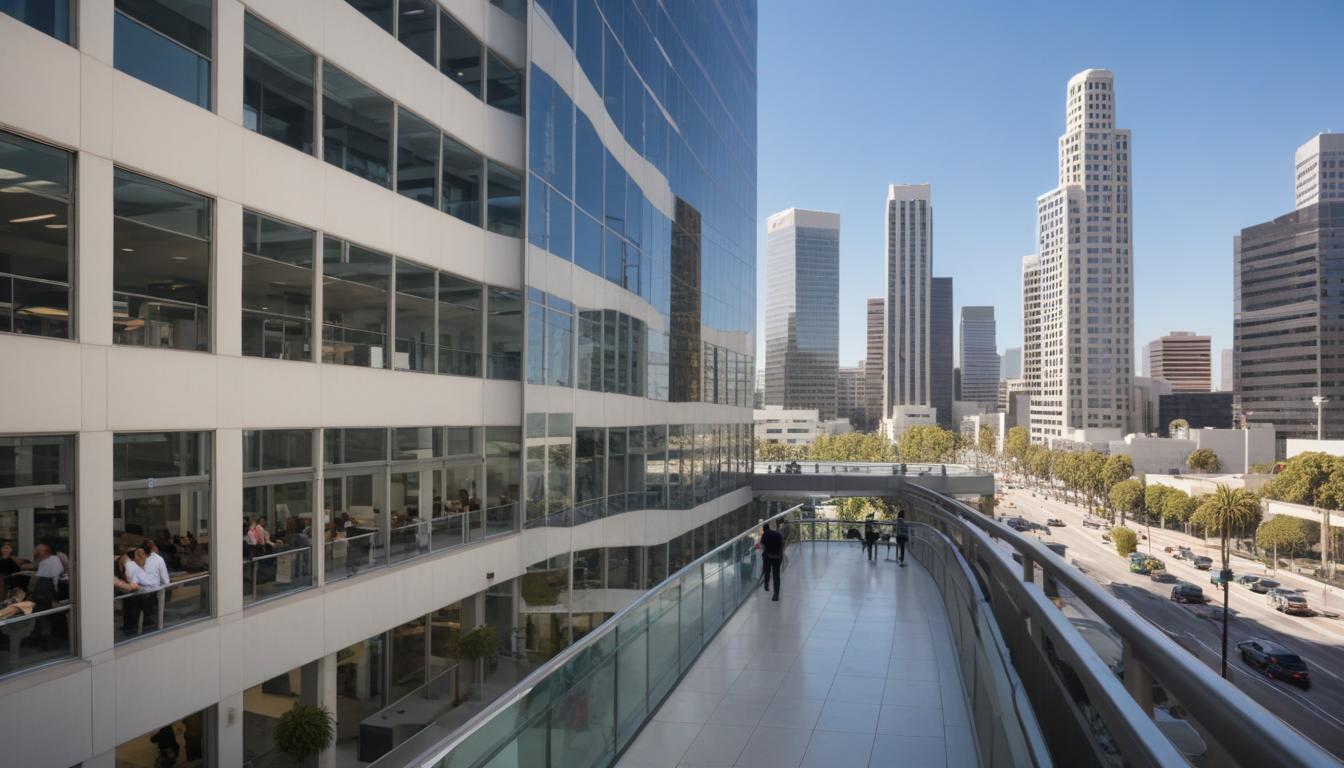
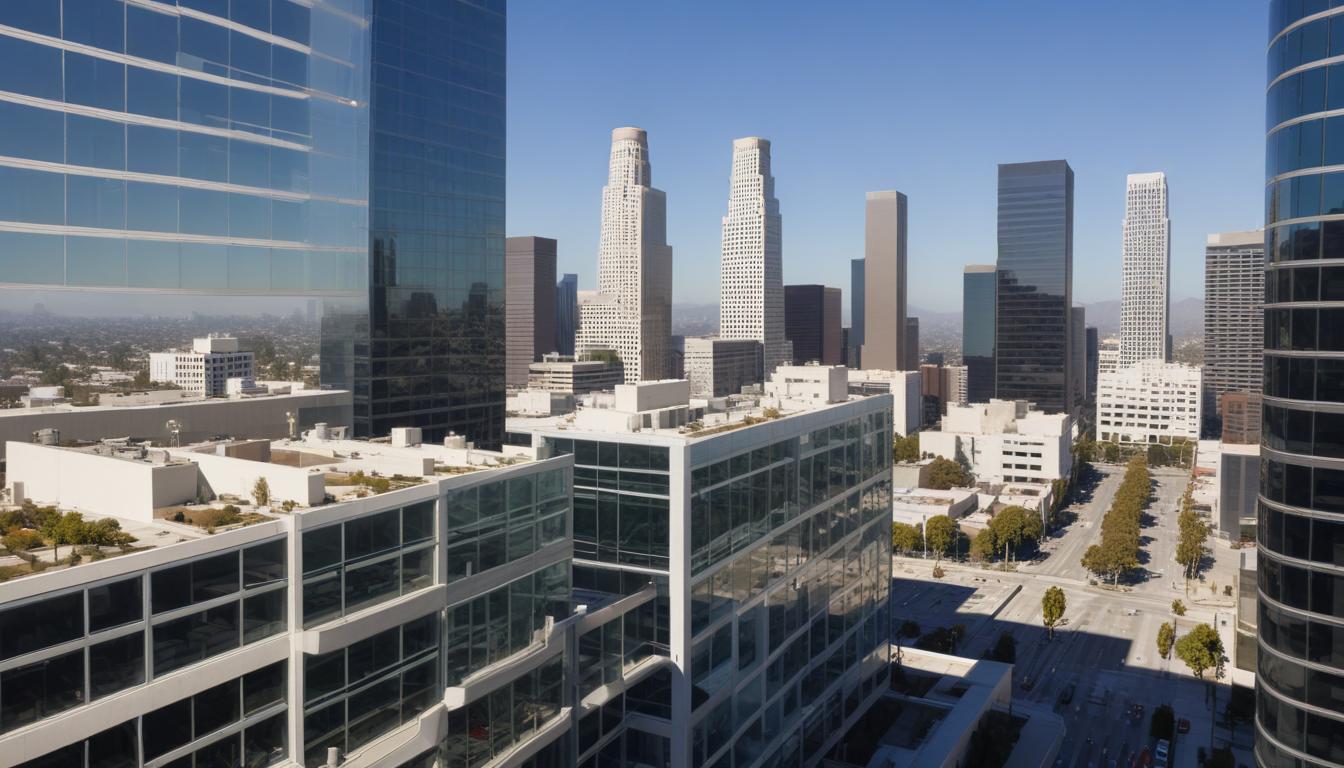
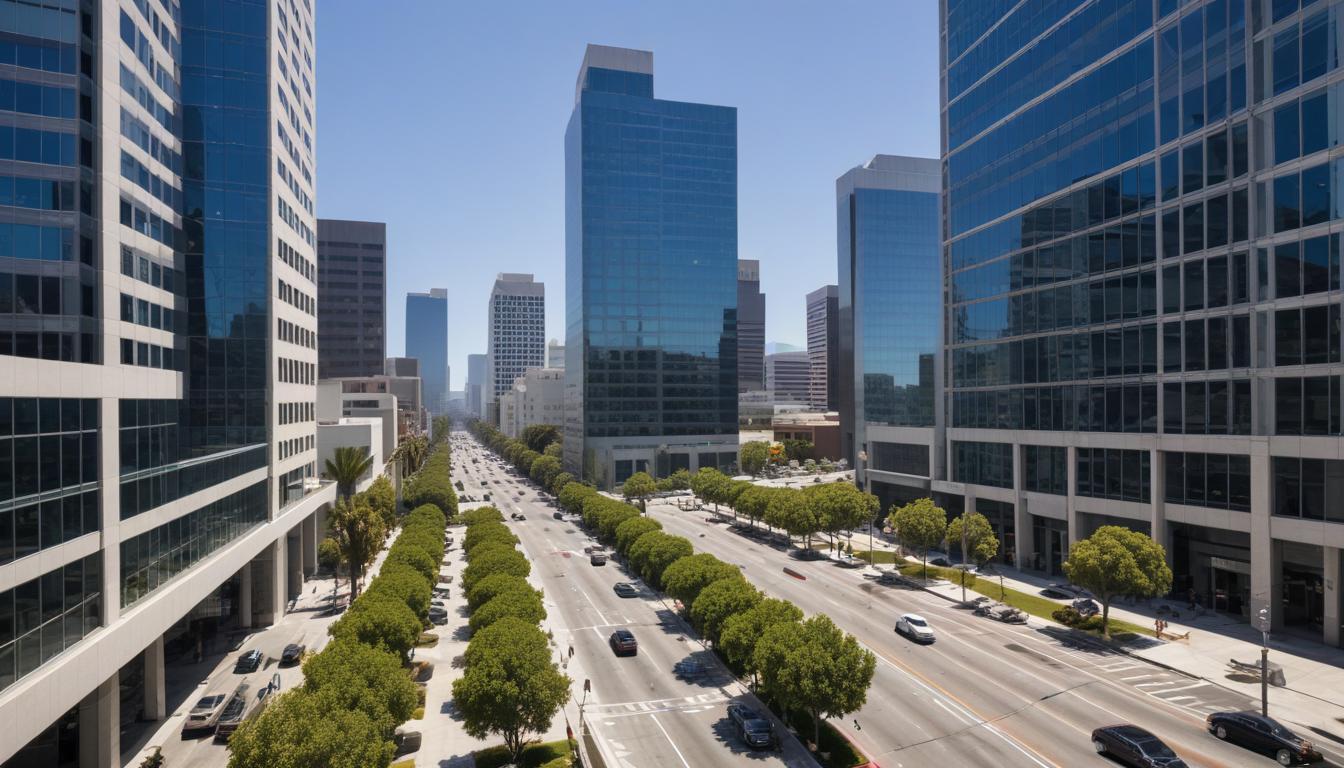
Los Angeles's biotech ecosystem is experiencing a pivotal inflection point. The emergence of what insiders now call the "Biological Crescent"—a 15-mile arc spanning from downtown through the Los Angeles Bioscience Corridor on Olive Street, through Pasadena, and into San Gabriel Valley—has attracted nearly $8.2 billion in venture capital over the past 18 months, according to data from PitchBook. That's more than triple the five-year average.
The opportunity is straightforward: established research institutions like Caltech, USC, and Cedars-Sinai have historically struggled to commercialize their innovations, allowing East Coast and Bay Area competitors to capture downstream value. Now, with California's recent streamlining of clinical trial approvals and the opening of two new 350,000-square-foot biotech-specific facilities near the Convention Center, that's changing.
The winners are already visible. Flagship Pioneering opened its third Los Angeles office in spring 2025 on South Hope Street, signaling serious commitment to region-specific fund management. Meanwhile, smaller players who staked claims 18 months ago—like the founders of Rosewood Therapeutics, who based operations in a renovated warehouse near the USC Health Sciences Campus—are fielding acquisition inquiries in the $300-500 million range.
Real estate tells the story too. Class A office space in the Bunker Hill Innovation District now commands $4.85 per square foot annually, a 34% jump from 2023. Yet this remains substantially cheaper than equivalent San Francisco or Cambridge locations, creating a cost arbitrage that continues drawing teams north from San Diego and south from Silicon Valley.
The acceleration reflects structural advantages. Pasadena alone houses over 6,000 scientists across Caltech's JPL division and independent research centers. USC's Viterbi School pumps out engineering graduates at scale. Cedars-Sinai brings patient cohorts and clinical infrastructure. For a biotech founder, assembling that combination anywhere else requires years of relationship-building.
Not everyone benefits equally. Established real estate investors holding property along East Colorado Boulevard in Pasadena and the Miracle Mile corridor are capturing premium lease rates. Early-stage founders without existing capital connections, however, face new headwinds—landlords increasingly require 24-month pre-leasing commitments and proof of institutional backing, pricing out bootstrap operations.
By most accounts, we're still in the first inning. Regulatory approval timelines continue shortening, and the region's talent pipeline remains under-tapped compared to academic output. For investors patient enough to weather biotech's lengthy development cycles, Los Angeles's combination of research density, real estate availability, and regulatory momentum represents the last genuine geographic arbitrage play in American life sciences.
This article was compiled by AI from the sources linked above and screened before publishing. See our editorial standards.