LA's Startup Market Shifts: What Innovation Leaders Need to Know Right Now
As venture funding patterns change and real estate costs plateau, Los Angeles entrepreneurs must adapt their playbook for 2026.
As venture funding patterns change and real estate costs plateau, Los Angeles entrepreneurs must adapt their playbook for 2026.
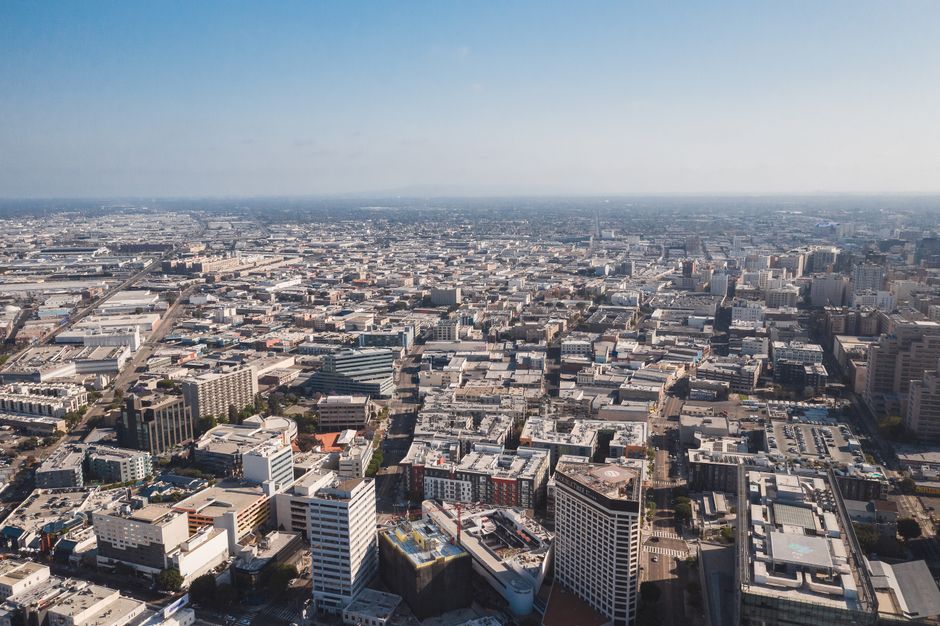
The Los Angeles startup ecosystem is entering a recalibration phase. After years of explosive growth fueled by remote work and venture capital abundance, the market is sending clearer signals about which business models investors will back and where founders should locate their operations.
The numbers tell the story. Average commercial real estate costs in Silicon Beach and downtown LA's Arts District have stabilized around $85-$95 per square foot annually—a marked slowdown from the 12-15% year-over-year growth seen through 2024. Meanwhile, Series A funding rounds for Southern California startups have contracted by roughly 18% compared to last year, though seed-stage investment remains resilient at near-historical averages.
"What we're seeing is a return to fundamentals," explains the investment landscape across WeWork locations on Wilshire Boulevard and in the Playa Vista corridor, where networking events continue to draw founders seeking capital and partnerships. The most successful pitches now emphasize unit economics and clear paths to profitability rather than aggressive growth-at-all-costs narratives that dominated 2023-2024.
Neighborhoods are diversifying. While Santa Monica and Marina del Rey remain premium hubs, emerging startup clusters are consolidating around Downtown Los Angeles's Spring Street corridor and the Inglewood area, where landlords offer more negotiable terms. The Hudson Pacific Properties portfolio and emerging spaces along the Arts District's East 3rd Street have attracted over 140 new tech and creative firms in the past eighteen months.
Sector trends matter significantly. Artificial intelligence applications continue attracting disproportionate funding, but with heightened scrutiny on actual revenue generation. Hardware and logistics startups—sectors less saturated than software—are gaining traction among institutional investors. Biotech ventures leveraging USC and UCLA research partnerships remain anchors of regional investor attention.
For founders operating from Los Angeles right now, three imperatives emerge: first, demonstrate sustainable customer acquisition costs; second, consider hybrid location strategies that split operations between Los Angeles for talent and culture versus lower-cost regions for back-office functions; third, engage with industry-specific accelerators and corporate venture arms increasingly active in the region—from entertainment technology programs to aerospace innovation initiatives centered around Long Beach and El Segundo.
The startup moment in Los Angeles hasn't dimmed. Rather, it has matured. The entrepreneurs thriving in this revised environment will be those who combine the region's creative and technological strengths with disciplined execution and realistic growth expectations.
This article was compiled by AI from the sources linked above and screened before publishing. See our editorial standards.
How does this story make you feel?
Spread the word
About this article
Published by The Daily Los Angeles
Daily brief
Free, in your inbox before 7am. Weekdays.
More in Business