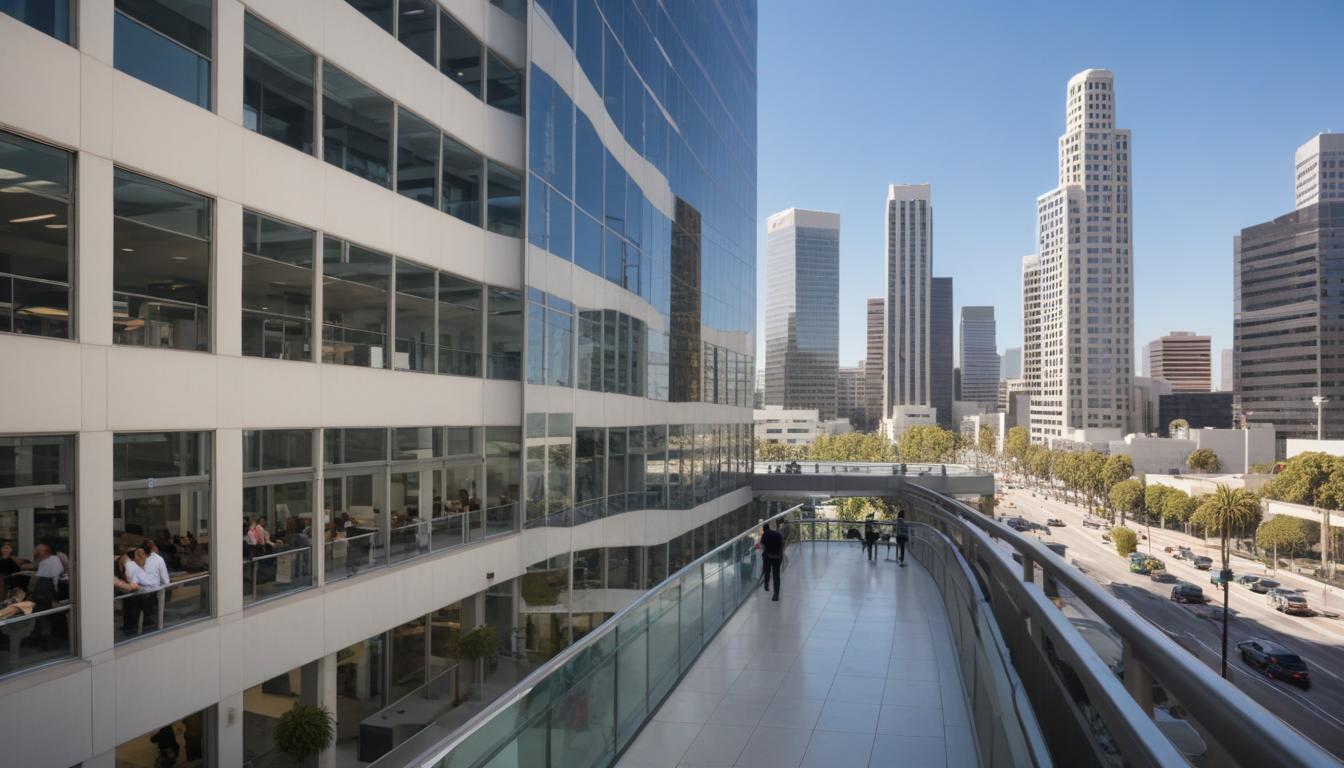
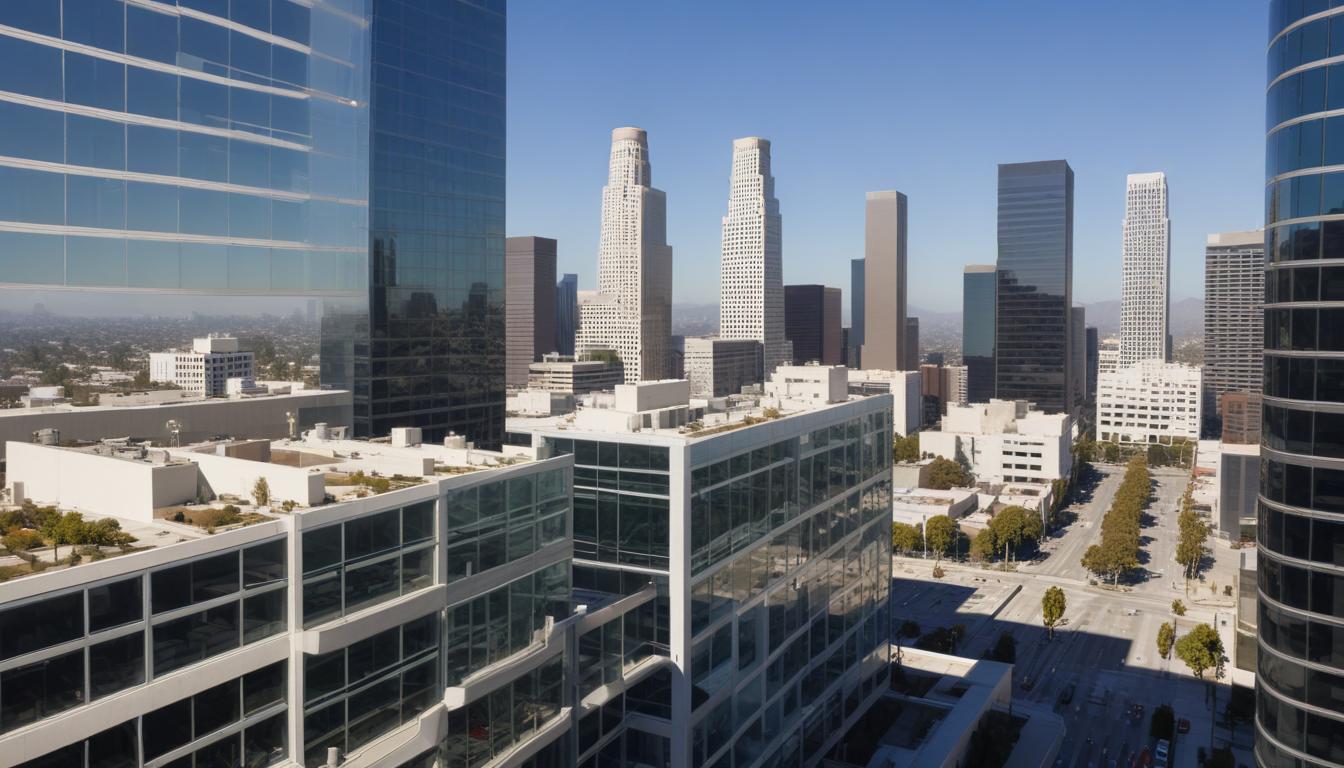
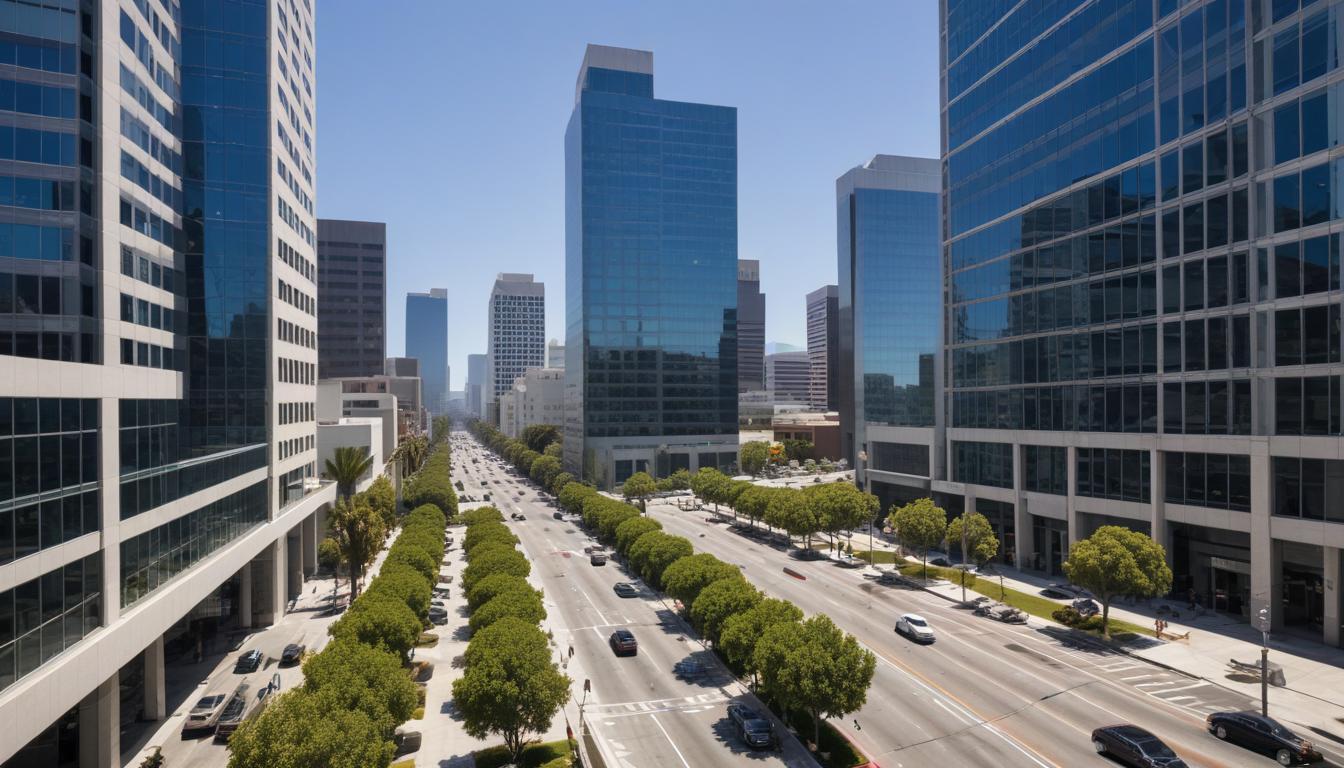
Los Angeles's commercial property market is flashing contradictory signals that reveal deeper truths about economic uncertainty in 2026. While vacancy rates in downtown's historic office corridors hover near 25 percent, premium Class A space along Wilshire Boulevard and in Santa Monica commands rents that have climbed 18 percent year-over-year, creating a tale of two markets that investors need to understand.
The divergence starts with geography. Downtown's older towers—relics of the 1980s and '90s boom along Spring Street and South Hope Street—sit increasingly empty as companies demand modern amenities and flexibility. Conversely, younger buildings near the Wilshire Corridor, particularly around Westwood and Century City, are filling at rates exceeding 95 percent. This isn't random: institutional capital from pension funds and foreign investors is flooding toward properties built after 2015, betting that future-ready infrastructure commands durability in uncertain times.
The numbers tell a striking story. Average asking rents downtown hover around $2.85 per square foot monthly, while comparable space in Santa Monica and West LA reaches $4.20 to $4.50. That premium reflects investor confidence in coastal markets' resilience, even as tech companies—historically massive space consumers—reduce their physical footprints. Some observers point to this as a warning sign; others see rational capital allocation favoring locations with superior transit access, talent density, and lifestyle amenities that attract the hybrid workforce.
What's driving investment flows? Three factors dominate. First, inflation expectations have pushed institutional investors toward tangible assets. With interest rates remaining sticky, real estate offers returns that compete with alternatives while providing inflation hedges. Second, the post-pandemic work arrangement—neither fully remote nor traditional—has created genuine demand for premium environments where collaboration and client meetings happen. Third, foreign direct investment in LA property remains robust, with Asian and European funds viewing LA real estate as a stable store of value amid global volatility.
The implications extend beyond landlords and tenants. Rising coastal office values suggest confidence in LA's economic fundamentals—its entertainment, aerospace, and growing financial services sectors. Yet downtown's struggles raise questions about whether older districts can adapt without significant capital investment in modernization.
For business leaders evaluating expansion or relocation, the lesson is clear: location and building age matter enormously. Companies seeking value might find opportunities downtown; those prioritizing talent retention and modern infrastructure should expect to pay premium coastal rates. Either way, LA's fragmented market reflects an economy navigating genuine transition—where capital flows reveal what investors genuinely believe about the future, regardless of what headlines suggest.
This article was compiled by AI from the sources linked above and screened before publishing. See our editorial standards.