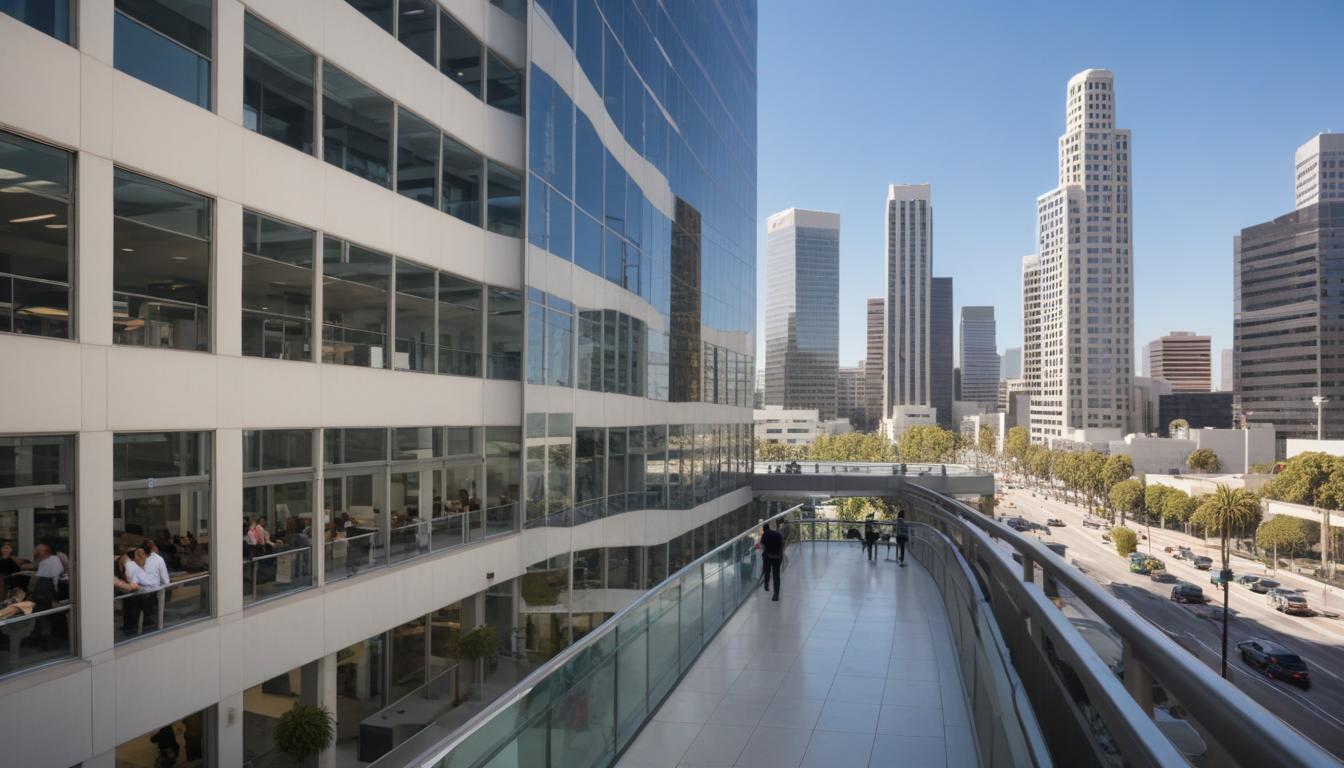
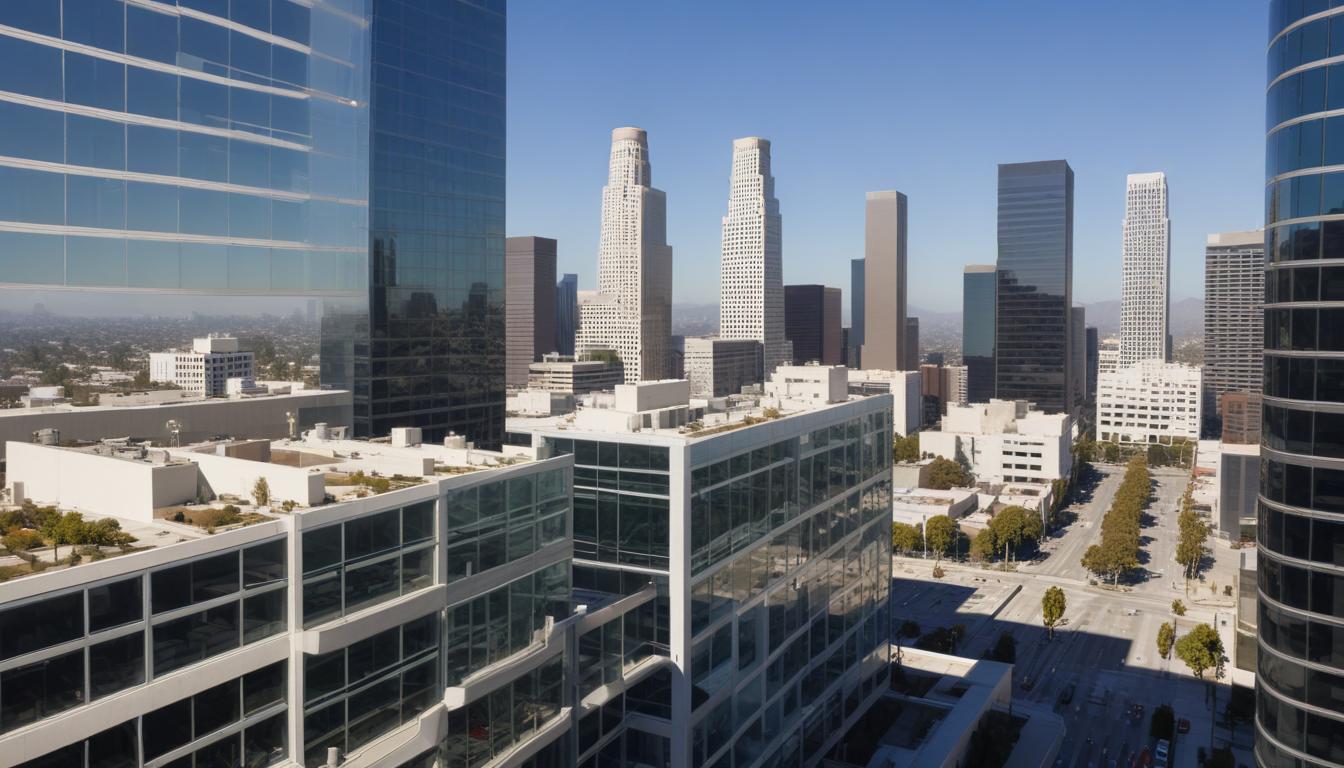
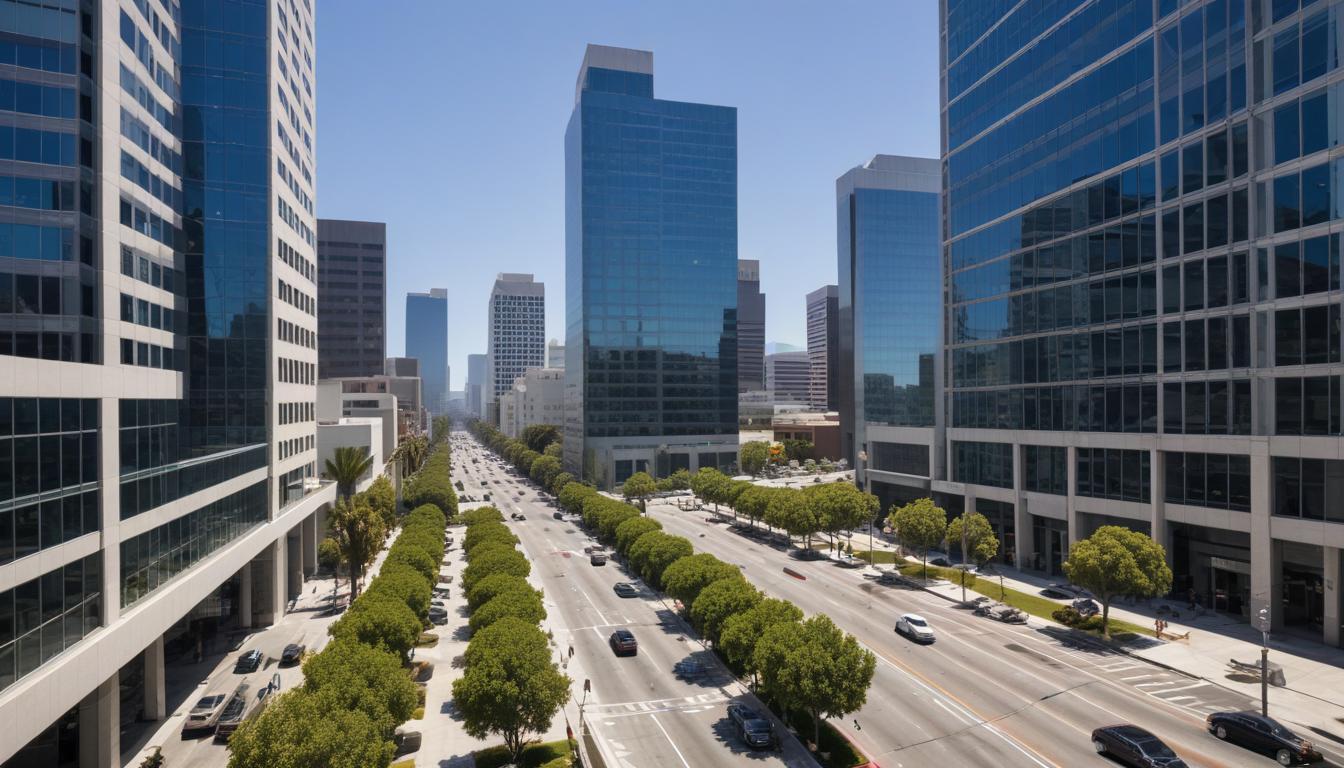
The downtown Los Angeles office market has been in freefall for two years, with vacancy rates hovering near 20 percent. But for a growing cadre of wellness entrepreneurs, that pain is their gain. From the Arts District to Koreatown, small business owners are leasing former corporate office buildings at 30 to 40 percent below pre-pandemic rates and converting them into fitness studios, therapy centers, and integrative health clinics—a trend that's reshaping the city's commercial real estate landscape.
"The landlords are desperate," said one venture-backed fitness operator who recently signed a seven-year lease on 8,000 square feet on Hope Street near Grand Central Market. "Three years ago, this space would have cost $4 per square foot per month. Now it's $2.40. That's the difference between a marginal business and a thriving one."
The shift reflects broader economic realities. U.S. commercial office occupancy remains 20 percent below 2019 levels, according to CoStar data released last quarter. But in Los Angeles specifically, the dislocation has created a vacuum that wellness entrepreneurs are filling. Several mental health startups have relocated or expanded from Santa Monica and Culver City to cheaper neighborhoods like Boyle Heights and Echo Park, where they've opened multi-therapist clinics in converted office suites. One group practice reported adding four new licensed clinicians this year after securing favorable lease terms on Vermont Avenue.
The economics are compelling. A boutique yoga studio that opened in a former insurance office in Silver Lake last year reports monthly revenue of $65,000 with membership capped at 180 active clients—roughly 40 percent higher than comparable studios in pricier locations. A registered dietitian who opened a nutrition counseling center in a two-story former law office in Los Feliz is now interviewing additional practitioners to handle demand.
Not all conversions are smooth. Building codes, parking requirements, and landlord demands for long-term commitments present obstacles. Several entrepreneurs reported spending $200,000 to $400,000 on renovations—kitchens for nutrition centers, flooring for dance studios, HVAC upgrades for proper ventilation. Yet the math still works for many.
Commercial real estate brokers say inquiries from wellness operators have tripled since early 2024. "Every demographic wants health now," noted one broker specializing in retail and flex space. "And landlords are realizing that a wellness tenant paying market rate is better than an empty floor."
For Los Angeles entrepreneurs with capital and vision, the window is open—but probably not for long.
This article was compiled by AI from the sources linked above and screened before publishing. See our editorial standards.