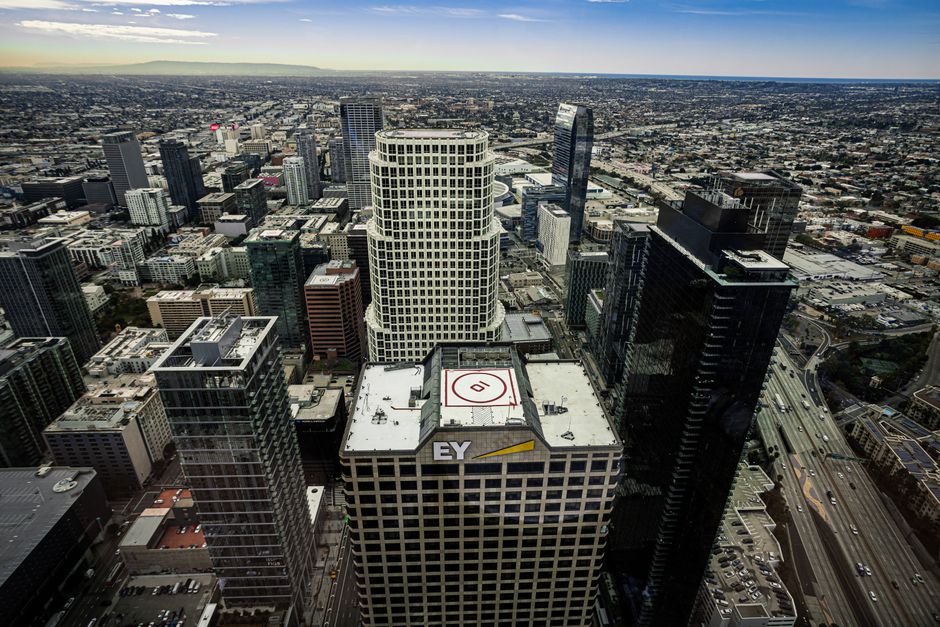
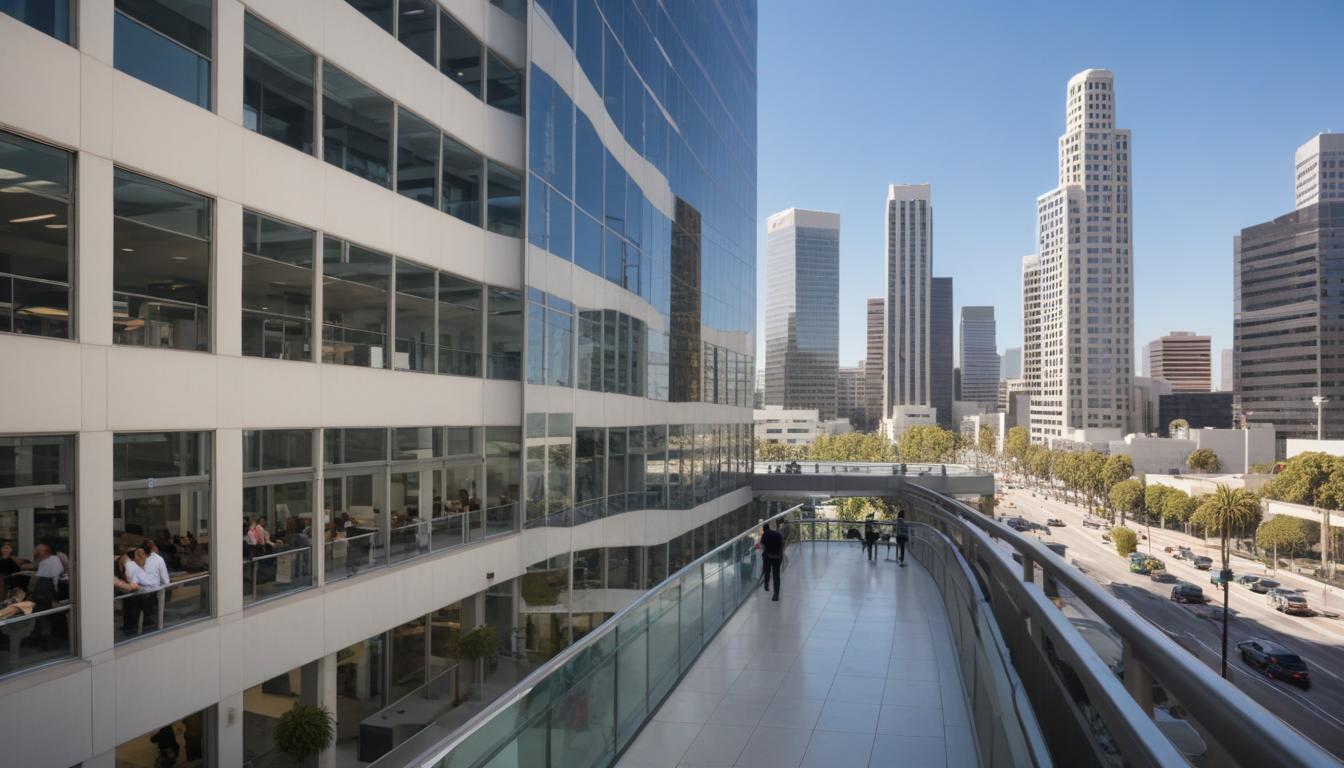
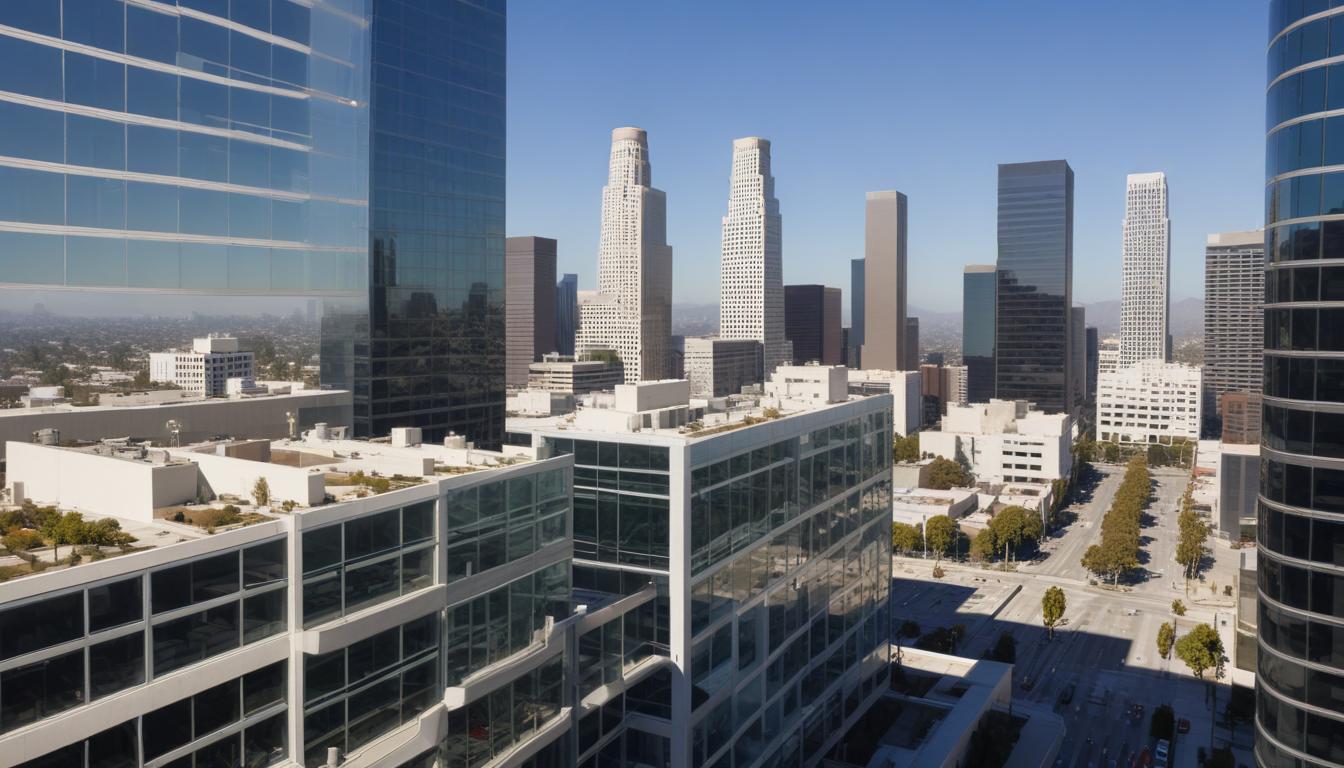
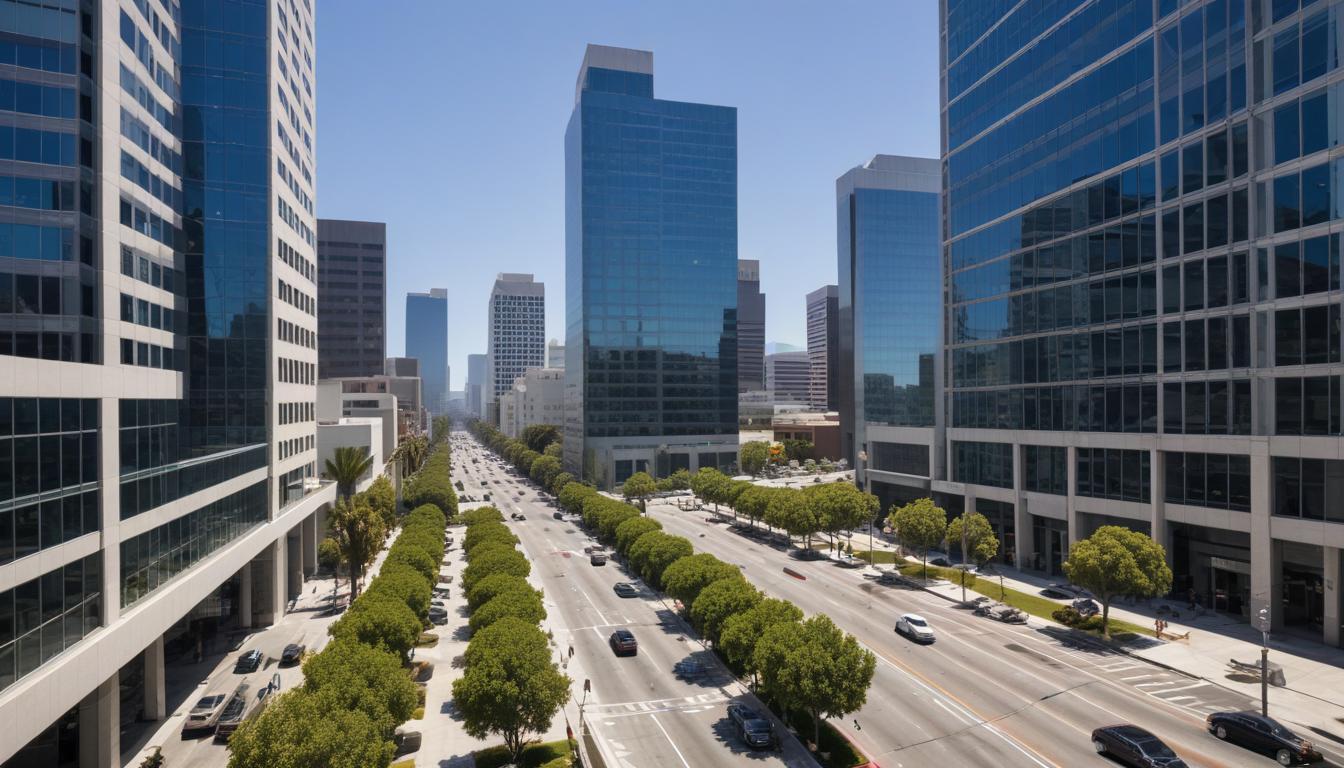
Los Angeles's commercial real estate landscape has reached an inflection point. After years of headlines about remote work decimating office demand, a quieter but significant shift is underway: selective, strategic recovery in pockets of the city where developers are willing to reimagine what office space means.
The numbers tell part of the story. Downtown Los Angeles office vacancy rates have stabilized near 18 percent, down from pandemic-era peaks of 24 percent. More notably, asking rents in sought-after submarkets—particularly around Pershing Square and the Arts District—have risen 8 to 12 percent year-over-year as landlords and adaptive reuse specialists capture tenants willing to pay premium rates for renovated, amenity-rich environments.
The real opportunity, however, belongs to developers betting on transformation rather than tradition. Companies specializing in converting aging office towers and underutilized industrial buildings into mixed-use campuses are finding strong investor appetite. South Spring Street, in the Historic Core, has emerged as a case study: three major conversions into office-plus-retail-plus-residential complexes have leased at rates substantially above market averages, attracting media companies, design firms, and venture-backed startups seeking alternatives to Westside saturation.
Mid-market real estate groups with expertise in California adaptive reuse tax credits—which can offset 20 to 25 percent of renovation costs—are particularly well-positioned. These developers are also capturing tenants priced out of Santa Monica and Beverly Hills, where Class A office space now commands $6 to $7 per square foot monthly, compared to $3.50 to $4.50 in downtown corridors.
The trend reflects a broader reset: companies are no longer pursuing sprawling open floors designed for maximum occupancy. Instead, they're seeking architecturally distinctive spaces with high ceilings, natural light, and integrated wellness amenities—exactly what converted warehouses and mid-century office buildings provide. Koreatown and the Fashion District are seeing similar momentum, with smaller tech firms and production companies signing longer leases than pre-2024.
Institutional capital is watching closely. Major pension funds and foreign investors have begun allocating capital specifically to Los Angeles adaptive reuse pipelines, signaling confidence in a market that no longer chases volume but quality and flexibility.
For Los Angeles, the implication is clear: the office market isn't simply recovering—it's being remade by players willing to reinvent rather than defend.
This article was compiled by AI from the sources linked above and screened before publishing. See our editorial standards.