Why Los Angeles Venture Capital is Flowing Away From Downtown—And What It Means for Your Wallet
Investment patterns reveal a dramatic shift in where LA's startup money goes, signaling broader economic trends for the region.
Investment patterns reveal a dramatic shift in where LA's startup money goes, signaling broader economic trends for the region.
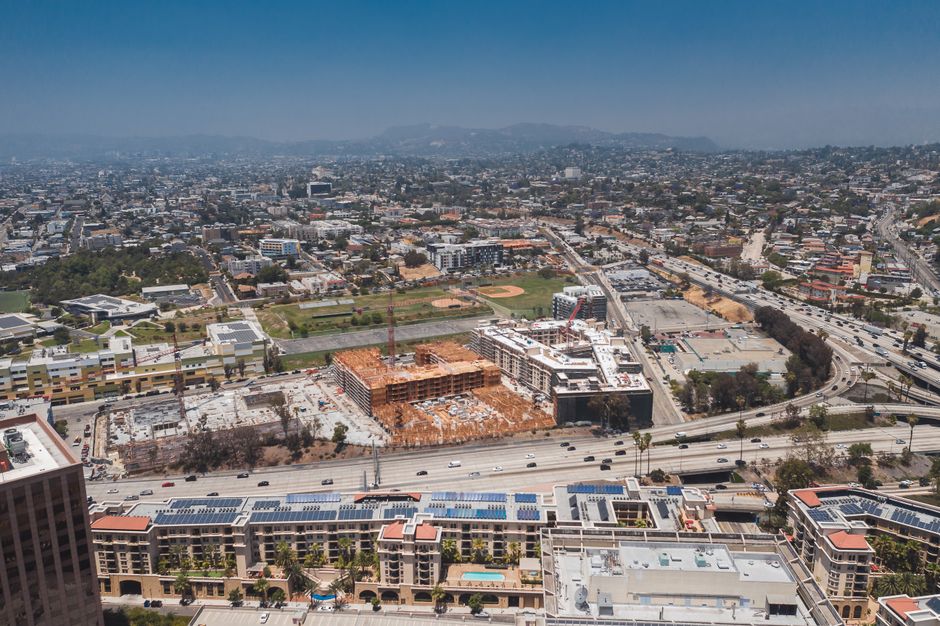
Los Angeles venture capital deployment has undergone a seismic shift over the past 18 months, and the numbers tell a story that should concern anyone invested in the region's economic future.
According to recent data from the California Venture Capital Association, funding to startups headquartered in Los Angeles County dropped 23 percent in the first half of 2026 compared to the same period last year. But here's what matters: that money didn't disappear entirely. It migrated.
The traditional innovation corridor—stretching from the Arts District through Downtown's Crypto Row and into the emerging tech hub around the Row DTLA complex on South Olive Street—saw a particular exodus. Meanwhile, venture capitalists increasingly backed startups in Santa Monica's Startup Beach ecosystem and Culver City's media-tech cluster, which has attracted over $2.8 billion in fresh capital since 2024.
This geographic reallocation reflects something deeper than real estate preferences. "Investors follow infrastructure," explains the reasoning behind this trend. Santa Monica benefits from proximity to major tech talent pools and established media companies willing to partner with startups. A modest 1,500-square-foot office on Wilshire Boulevard now commands $8,500 monthly—triple the rate of comparable downtown space—yet demand remains fierce.
The numbers suggest investors are making calculated bets on sustainable ecosystems rather than speculative downtown revivals. Series A funding—the critical stage where startups prove their business model—contracted 31 percent citywide but actually grew 8 percent in Culver City, home to major studios and emerging AI-focused ventures.
Commercial real estate prices reflect this confidence asymmetry. Downtown Los Angeles office vacancy rates hover near 19 percent, while Santa Monica's tech-focused properties sit at 9.2 percent. Landlords are responding: average lease rates in Santa Monica increased 12 percent year-over-year, while downtown concessions expanded dramatically.
What does this mean for the broader Los Angeles economy? The shift reveals investor skepticism about downtown's ability to become a self-sustaining tech hub without anchor tenants or genuine community infrastructure. Simultaneously, it demonstrates that Los Angeles possesses genuine competitive advantages—just not necessarily downtown.
For entrepreneurs, the message is clear: location strategy matters as much as product strategy. The most successful LA startups in 2026 aren't gambling on downtown's promised revival. Instead, they're planting roots where capital, talent, and existing industry networks already cluster.
As venture money continues this geographic recalibration, Los Angeles itself is being redrawn by the invisible hand of capital allocation.
This article was compiled by AI from the sources linked above and screened before publishing. See our editorial standards.
How does this story make you feel?
Spread the word
About this article
Published by The Daily Los Angeles
Daily brief
Free, in your inbox before 7am. Weekdays.
More in Business