Why people are sleeping worse and what to do about it
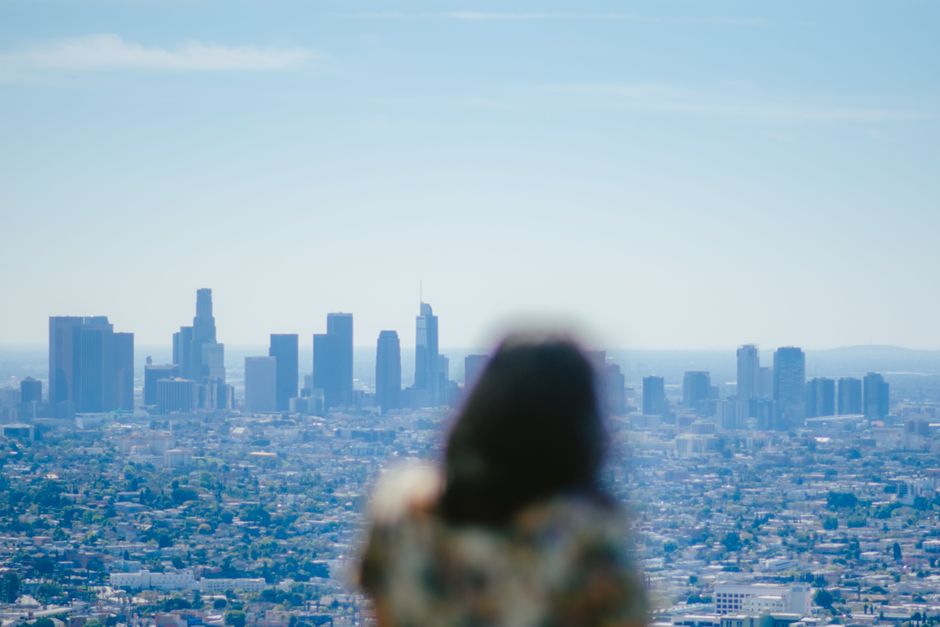
From the quiet canyons of Griffith Park to the bright lights of Santa Monica, Angelenos are grappling with a persistent sleep deficit that is reshaping local wellness routines.
From the quiet canyons of Griffith Park to the bright lights of Santa Monica, Angelenos are grappling with a persistent sleep deficit that is reshaping local wellness routines.
Los Angeles is failing to get its rest. Local wellness practitioners and sleep researchers are observing a marked decline in the duration and quality of sleep among residents, a trend that is proving difficult to shake despite the city's vast health infrastructure. This isn’t merely a result of the city's fast-paced nature, but rather a reflection of changing environmental factors and the increasing pressure to remain 'plugged in' throughout the evening hours.
For many residents, the transition from an active afternoon on the trails in Griffith Park or a surf session near the Santa Monica Pier to a state of relaxation has become increasingly fraught. The prevalence of late-night light pollution, combined with the habit of constant digital engagement, is disrupting circadian rhythms across diverse neighbourhoods from Silver Lake to Brentwood. Industry trends within the local fitness and health community show a shift in focus; while the city was once defined by its obsession with morning high-intensity workouts, the current conversation has pivoted heavily toward the science of recovery and deep, restorative sleep.
Evidence of this shifting priority can be found in the rise of specialized programs at institutions like the UCLA Sleep Disorders Center, which has seen increased interest in non-pharmacological interventions for insomnia. Public health discussions, including those documented in recent California Department of Public Health wellness initiatives, highlight that chronic sleep deprivation affects more than just cognitive function; it influences everything from metabolic regulation to mood stability. These reports underscore that consistently disrupted sleep is now a leading concern for preventative health advocates across the state.
Practical adjustments often start with environmental control. Sleep hygiene experts emphasize the necessity of creating a 'dark, cool sanctuary' within the home, a task that remains challenging given the city’s high average nighttime temperatures during the summer months. Local wellness boutiques and interior design firms are seeing higher demand for blackout window treatments and climate-controlled bedding solutions, reflecting a consumer willingness to invest in structural changes to improve rest. While these investments represent a significant cost, many report that the improvement in daily productivity and mental clarity provides a measurable return on investment.
What happens next for the wellness-conscious Angeleno requires a disciplined approach to the pre-sleep transition. Professionals advise establishing a 'digital sundown'-ceasing screen usage at least one hour before bed-and replacing the standard late-evening scrolling with analog activities. For those living in densely populated corridors like West Hollywood or near the busy boulevards of central Los Angeles, utilizing white noise machines or ear protection has become standard practice to mitigate the intrusion of urban sound. As the city continues to prioritize wellness as a core value, shifting the culture from 'always on' to 'rested and ready' remains the most critical hurdle to clear for long-term health.
How does this story make you feel?
Spread the word
About this article
Published by The Daily Los Angeles
Daily brief
Free, in your inbox before 7am. Weekdays.
More in Wellness