How to Start a Walking Group in Your Neighbourhood
From Highland Park to Palms, more Angelenos are turning to neighborhood walking groups for fitness and connection. Here’s what you need to know to get your own group off the ground.
From Highland Park to Palms, more Angelenos are turning to neighborhood walking groups for fitness and connection. Here’s what you need to know to get your own group off the ground.
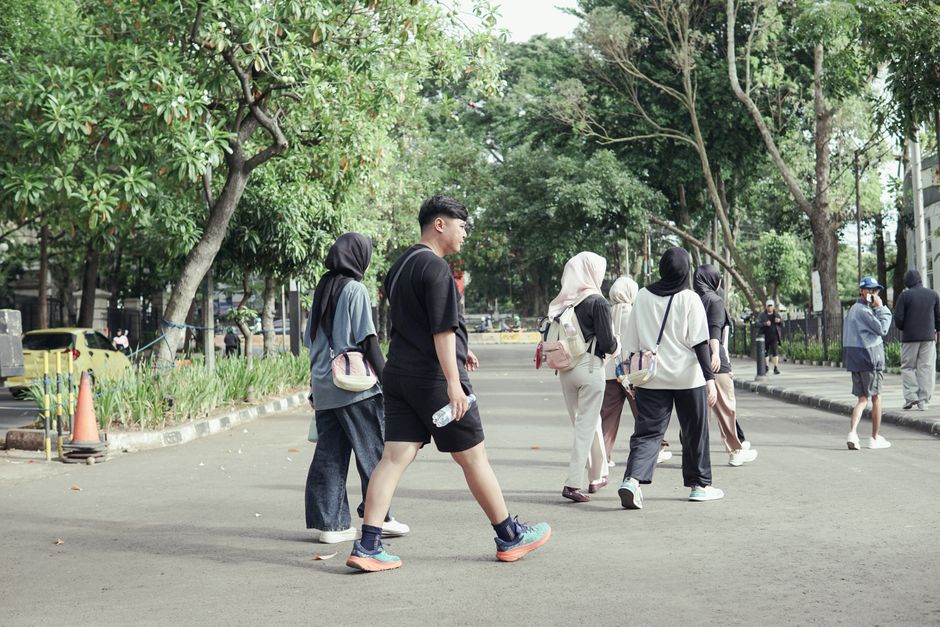
Step outside on any Saturday morning in Silver Lake and it’s hard not to notice groups of neighbors striding together along Sunset Boulevard or around the reservoir. Community walking groups—informal or organized—are fast becoming one of Los Angeles’ most accessible ways to combine exercise with social connection, say local health advocates.
This trend isn’t just a product of LA’s outdoor fitness culture. Angelenos are seeking new ways to build healthy habits as concerns about screen time, isolation and health costs grow. According to LA County’s 2025 Community Health Needs Assessment, only 21% of adults in the city meet recommended physical activity guidelines, and nearly one-third report feeling socially disconnected. For a city famous for traffic and sprawl, the simple act of walking with neighbors answers both issues head-on.
The flexibility of walking groups is part of their appeal. Whether you’re based in Echo Park, Westchester or Koreatown, it often takes little more than a group text or a post on Nextdoor to get started. Several neighborhoods have established formal programs, such as Eastside Walking Club, which organizes free weekly walks starting from Mariachi Plaza in Boyle Heights, and WeHo Walks, a volunteer-run group that meets every Wednesday at 8 a.m. at West Hollywood Park. Others keep things casual: in Palms, a small band of dog owners meets for evening loops around the Motor Avenue Urban Garden, coordinating on WhatsApp.
Local parks and landmark walks make ideal starting points. Griffith Park’s Vermont Canyon entrance, with its ample parking and varied terrain, is popular for new groups. In Santa Monica, Palisades Park offers ocean views and shade, drawing walkers of all ages. The LA Parks Foundation lists more than 140 city-managed recreation spaces suitable for organized walks, and some community centers—such as the Del Rey Recreation Center—lend out pedometers or host training sessions for first-time leaders.
What does it really take to create a sustainable walking group? Typical advice: pick a set time (weekend mornings or weekday evenings work best), map out a route with safe crossings, and set a conversational pace. Organizers say group sizes range widely—some start with just 3 or 4 people before growing to over 20. Apps like Meetup and Strava are popular for larger groups to manage sign-ups, but many new groups stick to word of mouth or neighborhood Instagram accounts.
Safety is a frequent concern. According to LAPD’s 2025 pedestrian safety report, 1,790 pedestrian injuries were recorded citywide last year, with the highest rates along stretches of Olympic Boulevard and Ventura Boulevard. Experts recommend well-lit routes, reflective clothing for dusk walks, and sticking to designated crosswalks. The Los Angeles Department of Transportation’s Safe Streets LA program can provide traffic safety pointers on request, and local police stations will sometimes send a community service officer to new group launches.
There are no out-of-pocket fees required to start a basic walking group. Most groups remain free or suggest a voluntary donation ($5–$10 per month) if leaders provide water or first aid supplies. Start-up costs stay low—as one Mid-City organizer told The Daily Los Angeles, “You really just need a route, a time, and someone motivated to show up.”
Research cited by Cedars-Sinai Medical Center shows adults who walk regularly in a group are 39% more likely to stick to an exercise routine after six months, compared with those who walk alone. Even a moderate stroll helps: participants in UCLA’s Walk with a Doc program average around 2,800 steps per outing, burning approximately 120 calories per hour.
Ready to take the first step? Pick a start date, invite neighbors, and scout a nearby route—whether it’s the shady perimeter of MacArthur Park or the gentle slopes of Kenneth Hahn State Recreation Area. Consider printing simple flyers, announcing your plan at local farmers’ markets, or tapping into neighborhood council newsletters. Free resources, such as printed guidebooks or branded tote bags, are available through the LA County Department of Public Health for groups registered on their Move LA Together website.
As LA’s summer stretches on, more groups are experimenting with themed walks—think dog-friendly jaunts, bilingual strolls, or weekend wellness talks. However you structure your group, don’t get caught up chasing numbers: regulars say consistency and friendliness are what keep people returning week after week. Consult a local medical professional for advice before making any health changes, and enjoy building a fitness tradition just outside your front door.
How does this story make you feel?
Spread the word
About this article
Published by The Daily Los Angeles
Daily brief
Free, in your inbox before 7am. Weekdays.
More in Wellness