Drinking It In: How to Stay Hydrated in the Los Angeles Heat
With summer temperatures already cracking triple digits from the Valley to the coast, getting your fluid intake right is more complicated—and more urgent—than you think.
With summer temperatures already cracking triple digits from the Valley to the coast, getting your fluid intake right is more complicated—and more urgent—than you think.
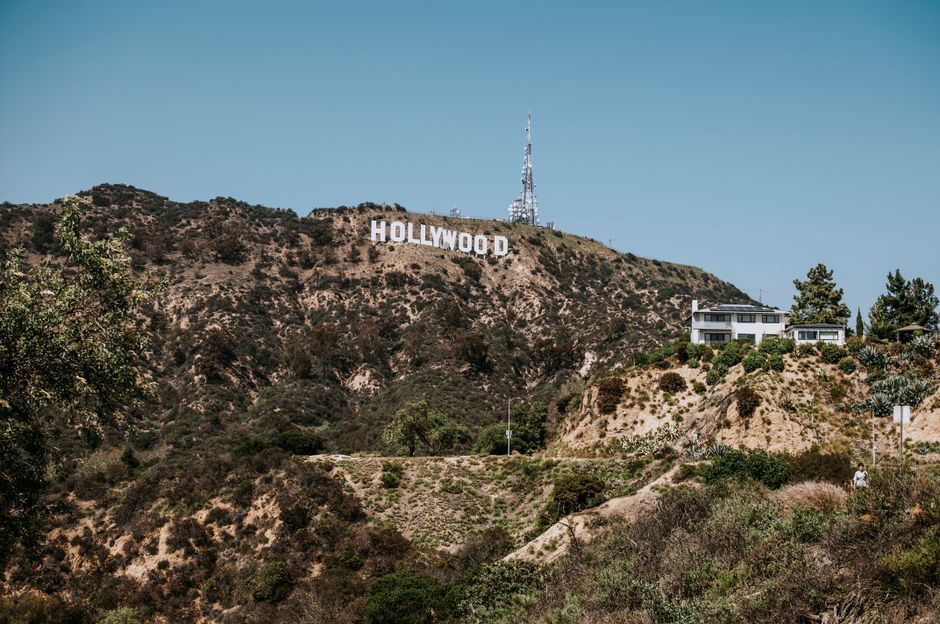
The thermometer hit 104°F in Woodland Hills on June 28th, and the National Weather Service has already issued three excessive heat warnings for Los Angeles County since Memorial Day weekend. Coastal neighborhoods fared better—Santa Monica held at 82°F that same afternoon—but the marine layer is no guarantee of safety when you're logging miles on the Strand or grinding up the Griffith Park trails before work. The question most Angelenos are still getting wrong isn't whether to drink more water. It's what to drink, when, and how much is actually enough.
Heat physiology matters here more than in most American cities. Los Angeles sits in a semi-arid basin where relative humidity regularly drops below 20 percent, which means sweat evaporates almost instantly off skin. That's the body's cooling system working efficiently—but it also masks how much fluid you're actually losing. A runner on the 26-mile Backbone Trail in the Santa Monica Mountains can shed one to two liters of sweat per hour in dry heat without ever feeling soaked through. The dehydration sneaks up quietly, often presenting first as fatigue or a dull headache rather than thirst.
The old "eight glasses a day" rule has been largely retired by sports dietitians and exercise physiologists. The National Academies of Sciences set general adequate intake at 3.7 liters total daily fluid for men and 2.7 liters for women—but those numbers assume a sedentary person in a temperate climate. An adult doing a 90-minute morning hike up Runyon Canyon in July is operating in a completely different physiological situation. Add a 6-mile beach run from Venice Pier to Will Rogers State Beach and back, and fluid losses alone could push replacement needs well above four liters before noon.
Electrolytes complicate the picture further. Plain water, consumed in large quantities without sodium and potassium replacement, can actually dilute blood sodium to dangerous levels—a condition called hyponatremia that emergency physicians at Cedars-Sinai Medical Center and UCLA Health have documented in endurance athletes and hikers. Sports drinks with electrolytes, coconut water (which provides roughly 600mg of potassium per cup), or electrolyte tablets dissolved in water address this gap. At Erewhon's Cahuenga Boulevard location, electrolyte-enhanced drinks now account for a growing share of the refrigerated beverage wall—the store stocks more than 40 SKUs in that category, with prices ranging from $4.50 for a basic coconut water to $16 for a premium mineral blend.
The Los Angeles County Department of Public Health has distributed free cooling kits—including reusable water bottles—at 14 community centers this summer under its Heat Relief Network program, targeting residents in high-risk ZIP codes including 90011 (South Central) and 90059 (Watts) where green space is scarce and air conditioning access is uneven. The program launched July 1st, 2026, and runs through September 30th.
For those with more options, the timing of fluid intake matters as much as the volume. Hydrating aggressively before exercise—roughly 16 to 20 ounces of water two hours beforehand—reduces the deficit you're working against mid-workout. During activity lasting more than an hour, sports medicine practitioners generally recommend 6 to 8 ounces every 15 to 20 minutes, with an electrolyte source mixed in. After finishing a session at the Santa Monica Rock Gym or a dawn patrol surf at Zuma Beach, a recovery drink with both carbohydrates and sodium will help the body actually absorb and retain the fluid you're putting back in.
Coffee and alcohol both deserve honest accounting. A double shot of espresso from Verve on 7th Street in Downtown LA contributes net hydration despite mild diuretic effects—the water content outweighs the fluid loss—but a Modelo at a Fourth of July cookout does not. Alcohol suppresses the hormone that signals kidneys to conserve water, which is why a holiday afternoon of grilling in Elysian Park without matching every drink with a glass of water is a reliable recipe for a rough July 5th morning.
Anyone with underlying kidney conditions, heart disease, or who is pregnant should consult a physician or registered dietitian before significantly altering their fluid intake. The Los Angeles County Department of Health Services maintains a patient portal at dhs.lacounty.gov where residents can locate a primary care provider if they don't currently have one.
How does this story make you feel?
Spread the word
About this article
Published by The Daily Los Angeles
Daily brief
Free, in your inbox before 7am. Weekdays.
More in Wellness