How Runyon Canyon Regulars Turn a 160-Acre Park Into a Daily Wellness Ritual
From pre-dawn summit runs to post-hike cold plunges in Hollywood, locals have built surprisingly consistent habits around L.A.'s most iconic hillside trail.
From pre-dawn summit runs to post-hike cold plunges in Hollywood, locals have built surprisingly consistent habits around L.A.'s most iconic hillside trail.
At 5:47 a.m. on a Thursday, the Fuller Avenue entrance to Runyon Canyon Park already has a line. Not a crowd — a line. Regulars stacking up before the gate swings open, coffee thermoses in hand, dogs leashed, headlamps still lit. This is not an accident. The people showing up at that hour have been showing up at that hour, most days, for months or years. They have figured something out that casual weekend visitors typically miss: Runyon works best as a habit, not an occasion.
The park sits at the northern edge of Hollywood, bounded by Fuller Avenue to the south and Mulholland Drive at the top, with roughly 3.5 miles of interconnected trails depending on the route you choose. Admission is free. The main loop gains about 700 feet of elevation over approximately 1.8 miles to the upper ridge. None of that is secret information. What the trailhead signs don't tell you is how the regulars have quietly engineered a repeatable system around those raw facts — one that delivers measurable physical and mental returns week over week.
The pre-dawn crowd on the Lacy Street connector — the fireroad that cuts west from the main trail toward the Wattles Garden Park boundary — moves with a different energy than the 10 a.m. visitors scrolling Instagram at the summit. Locals who hike four or more days per week tend to cluster their effort at the top half of the trail, doing one or two descents and re-ascents of the final 400-foot push to the ridge rather than a single through-hike. It doubles the cardiovascular load without extending the total time commitment past 75 minutes.
Hydration timing matters more than most newcomers expect. The ascent faces southwest, and by 8 a.m. in July, the exposed ridge section above the old Runyon estate foundations is genuinely hot — temperatures regularly exceed 85 degrees Fahrenheit before 9 a.m. during summer months. Regulars carry a minimum of 20 ounces of water and typically pre-hydrate with electrolytes the night before. Several frequent hikers pointed to Moon Juice, the Silver Lake-based supplement brand with a Studio City retail location on Ventura Boulevard, as a go-to source for electrolyte packets that don't dump sugar into the system at 6 a.m.
The dog-friendly designation matters practically, not just socially. Bringing a dog forces a pace adjustment that benefits most hikers — slightly slower on the climb, with mandatory stops. Exercise physiologists at Cedars-Sinai's sports medicine program have noted that interval-style efforts with brief recovery windows produce stronger cardiovascular adaptation than sustained moderate-pace walking. The dog-walking pace naturally mimics that structure on technical terrain.
Footwear is the most common point of failure for people who try Runyon seriously and quit. The main trail surface alternates between packed dirt, loose decomposed granite, and embedded rock — particularly on the Clouds Rest connector that drops toward the west gate near Nichols Canyon Road. Trail running shoes with a 4mm or greater lug depth handle the loose sections without the ankle fatigue that flat-soled sneakers generate. REI's West Hollywood location on Santa Monica Boulevard stocks several models in the $130–$165 range that regulars consistently recommend for this specific terrain.
Post-hike recovery has become a genuine local industry. The stretch of La Brea Avenue between Fountain and Melrose now has three dedicated recovery studios within six blocks, offering contrast therapy, percussion massage, and infrared sauna sessions priced between $35 and $75 per session. Many regulars book a weekly slot, treating it as the non-negotiable back half of the Runyon habit rather than an occasional luxury.
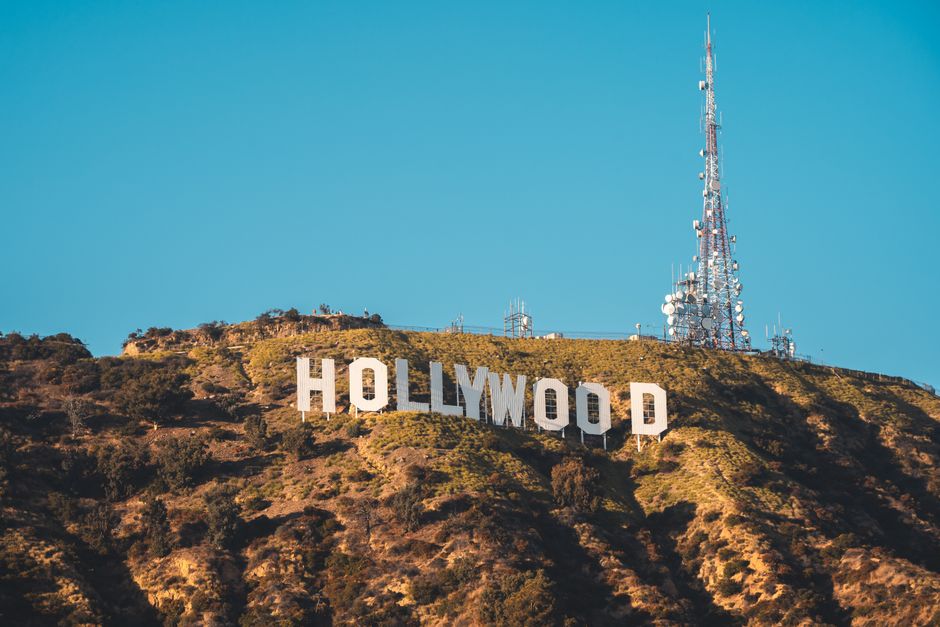
The practical case for consistency over intensity is straightforward. A July 2025 report from the Los Angeles County Department of Parks and Recreation estimated Runyon Canyon receives approximately 1.5 million visits annually — but repeat-visitor data suggests the people extracting the most physical benefit are those visiting at least three times per week over sustained periods, not the tourists hitting the summit once for the Hollywood sign view. The mountain doesn't change. The body does, gradually, if you keep coming back. Consult a physician or sports medicine provider before beginning any new exercise regimen, particularly one involving sustained elevation gain in summer heat.
How does this story make you feel?
Spread the word
About this article
Published by The Daily Los Angeles
Daily brief
Free, in your inbox before 7am. Weekdays.
More in Wellness