Yoga Styles Explained: Which One Suits Your Lifestyle
From sweat-drenched hot rooms in Silver Lake to sunrise flows on the Santa Monica bluffs, Los Angeles offers every flavor of yoga — here's how to find yours.
From sweat-drenched hot rooms in Silver Lake to sunrise flows on the Santa Monica bluffs, Los Angeles offers every flavor of yoga — here's how to find yours.
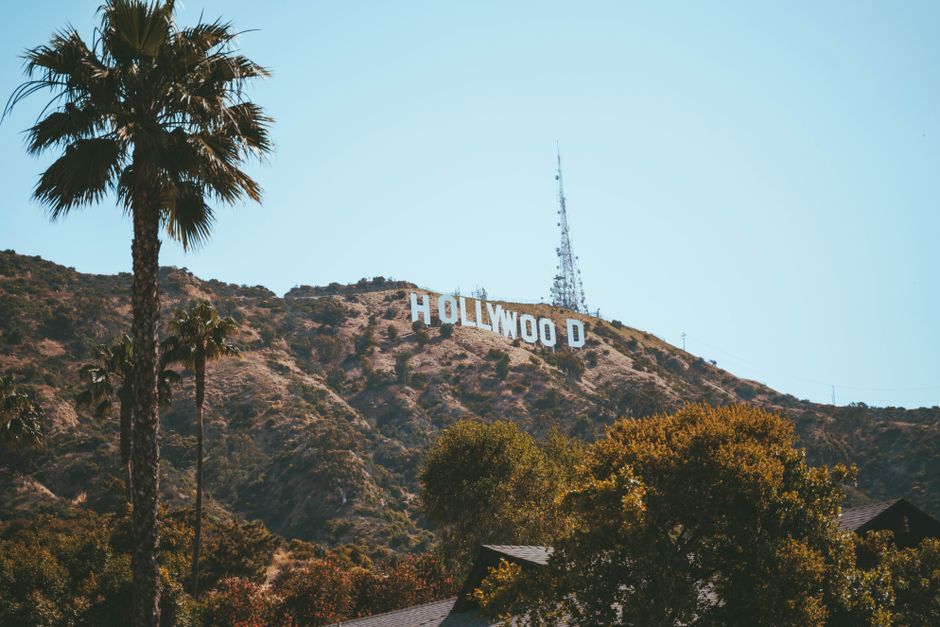
Los Angeles has more yoga studios per capita than any other American city — roughly one for every 4,200 residents, according to a 2025 IBISWorld report on the $12 billion domestic yoga industry. That abundance is a gift and a headache. Walk into the wrong class on a Tuesday morning in Los Feliz and you could end up flat on your back in a 105-degree room when all you wanted was something to ease a tight commuter spine.
Yoga instruction is not a monolith. The word covers at least a dozen distinct styles, each with its own physical demand, philosophical bent, and ideal practitioner. Right now, studios across the city are reporting a post-pandemic enrollment plateau — memberships spiked through 2023 and 2024, and instructors say they're seeing a new wave of curious beginners who don't know where to start. Knowing the differences before you book your first drop-in — typically $25 to $35 at most Westside locations — saves both money and frustration.
Hot yoga and Bikram occupy the high-intensity end of the spectrum. Bikram follows a fixed sequence of 26 postures in a room heated to 105°F with 40 percent humidity. The original Bikram studios in Hollywood still draw regulars, though the style has shed its founder's name at many locations following litigation and controversy. Hot yoga is a looser category — studios like YogaWorks, which operates locations in Santa Monica and Brentwood, use the heat but swap in flow sequences rather than a locked script. Both styles demand cardiovascular endurance and hydration. They are not recommended as entry points for people with blood pressure concerns, and any instructor worth their certification will tell you to clear it with a doctor first.
Vinyasa is where most Angelenos land initially. Classes string postures together in breath-synchronized sequences that change each session. Exhale Yoga in Venice runs popular vinyasa mornings along Lincoln Boulevard, and the style translates naturally to the outdoor flow classes held year-round on the bluffs above Will Rogers State Beach. A 60-minute vinyasa class burns roughly 400 to 500 calories according to research published in the Journal of Strength and Conditioning Research, making it the preference of the city's surf-and-run crowd who want cross-training without a gym aesthetic.
Ashtanga is vinyasa's stricter older sibling — the same six series practiced in the same order every time, popularized in the West through the Pattabhi Jois lineage. It rewards discipline and punishes ego. The Ashtanga Yoga Center on Cahuenga Boulevard in Hollywood maintains a Mysore-style program, which means practitioners work through the series independently at their own pace while an instructor circulates. It suits people who are self-directed and dislike the group performance of a regular class.
Yin yoga sits at the opposite end of the effort curve. Postures are held for three to five minutes, targeting connective tissue rather than muscle. It pairs well with the runner culture that spills down from Griffith Park onto the trails in Atwater Village every weekend. CorePower Yoga — which has seven Los Angeles locations including studios in Culver City and Pasadena — includes Yin on most weekly schedules, often as an evening wind-down class.
Restorative yoga goes further still. Props — bolsters, blankets, straps — support the body in completely passive positions for up to 20 minutes each. It is, in effect, supervised rest. Clinically, it activates the parasympathetic nervous system and has been used in oncology recovery programs at Cedars-Sinai Medical Center in Beverly Grove. If your weeks look like back-to-back freeway commutes between the Valley and downtown, this is worth considering.
Iyengar yoga emphasizes anatomical precision above all else. It uses props to teach alignment and works well for people recovering from orthopedic injuries. The Iyengar Yoga Institute of Los Angeles, based on Beverly Boulevard in Mid-City, has been operating since 1975 and offers beginner intensives four times a year, with the next cohort scheduled to begin in September 2026.
The practical starting point: drop into a single class of three different styles before committing to a membership. Most studios offer a first-week unlimited pass for around $40. Take the time to tell the instructor about any injuries before class starts. The right style becomes obvious faster than you'd expect — usually by the second session. Consult a physician before beginning any new physical practice, particularly heated or high-intensity formats.
How does this story make you feel?
Spread the word
About this article
Published by The Daily Los Angeles
Daily brief
Free, in your inbox before 7am. Weekdays.
More in Wellness