LA Trail Runners Transform Global Fitness Away From Gyms
From Griffith Park to the Malibu coastline, Los Angeles is redefining outdoor fitness—and setting the pace for a worldwide shift away from gym culture.
From Griffith Park to the Malibu coastline, Los Angeles is redefining outdoor fitness—and setting the pace for a worldwide shift away from gym culture.

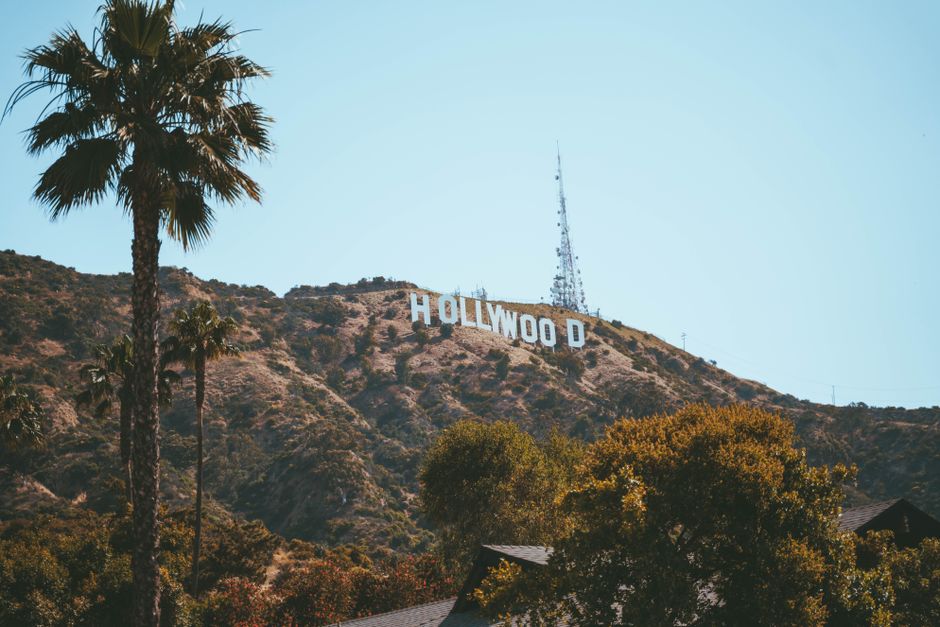
The morning sun breaks over the Santa Monica Mountains as runners navigate the fire roads of Griffith Park, their feet hitting packed earth instead of treadmill belts. This scene has become emblematic of a larger wellness transformation sweeping Los Angeles—one that positions the city not just as a participant in global fitness trends, but as an architect of them.
While boutique indoor cycling studios dominated the wellness conversation a decade ago, outdoor trail running has become the preferred fitness currency in Los Angeles. The shift reflects broader global movements: Strava's 2025 mobility report showed a 34% year-over-year increase in trail-running activities across major metropolitan areas, with Los Angeles consistently ranking in the top five. But what's happening here is distinctly local.
The geography is unmatched. Griffith Park alone offers 53 miles of trails within city limits, accessible from Los Feliz and Silver Lake neighborhoods where fitness culture intertwines with creative communities. Head west toward Malibu, and runners encounter coastal paths like the Zuma Canyon trail system, where Pacific views merge with cardiovascular challenge. Even urban runners in Downtown LA have embraced the LA River path network—once dismissed, now revitalized as a legitimate training corridor stretching 32 miles from Griffith Park southward.
Local running clubs have proliferated accordingly. Fleet Feet locations across Los Angeles report membership increases of 22% over the past 18 months, while independent groups like Griffith Park Runners and Beach Running Club (operating informally along the Santa Monica pier stretch) have grown to hundreds of active participants. This grassroots enthusiasm contrasts with the polished, subscription-based fitness models dominant in other major cities.
The economics tell an interesting story. While luxury gym memberships in Los Angeles hover around $180–$250 monthly, trail running requires minimal investment: a pair of running shoes ($120–$180 from local retailers) and basic gear. This accessibility has democratized fitness in a city historically associated with exclusive wellness spaces. Community organizations like LA Trails and the Sierra Club have responded by hosting free guided runs, widening participation across socioeconomic lines.
Industry observers note that Los Angeles's position as a global wellness trendsetter means this movement carries outsized influence. When Instagram-worthy Runyon Canyon became saturated, runners naturally dispersed toward lesser-known trails—a pattern now replicated internationally as cities seek to manage trail usage and preservation.
The convergence of year-round temperate climate, diverse topography, and cultural emphasis on outdoor living has created optimal conditions. As global wellness trends fragment into increasingly niche categories, Los Angeles remains distinctly committed to what feels least trendy: simply running outside.
This article was compiled by AI and screened before publishing. See our editorial standards.
How does this story make you feel?
Spread the word
About this article
Published by The Daily Los Angeles
Daily brief
Free, in your inbox before 7am. Weekdays.
More in Wellness