Los Angeles Residents Transform Sleep With Evening Screen Breaks
From Silverlake to Santa Monica, residents are ditching screens at sunset and syncing their sleep schedules with the California coast—and it's working.
From Silverlake to Santa Monica, residents are ditching screens at sunset and syncing their sleep schedules with the California coast—and it's working.
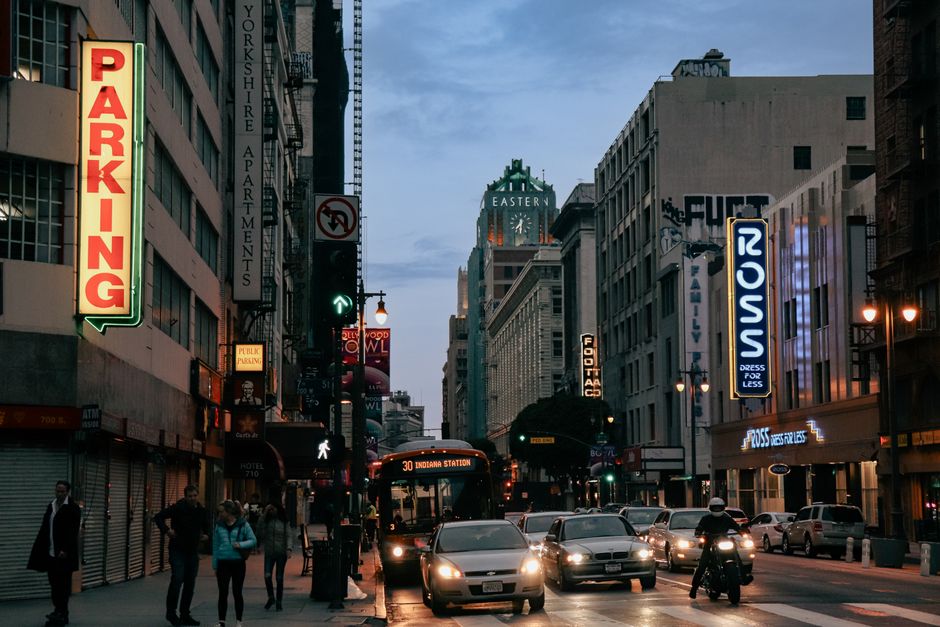
On any given evening in Los Feliz, you'll notice something quietly revolutionary: the coffee shops along Hillhurst Avenue dim their lights by 8 p.m., and patrons swap their laptops for board games and conversation. This isn't accidental. It's part of a broader shift among Los Angeles residents who've discovered that better sleep isn't about expensive gadgets—it's about respecting your body's natural rhythms.
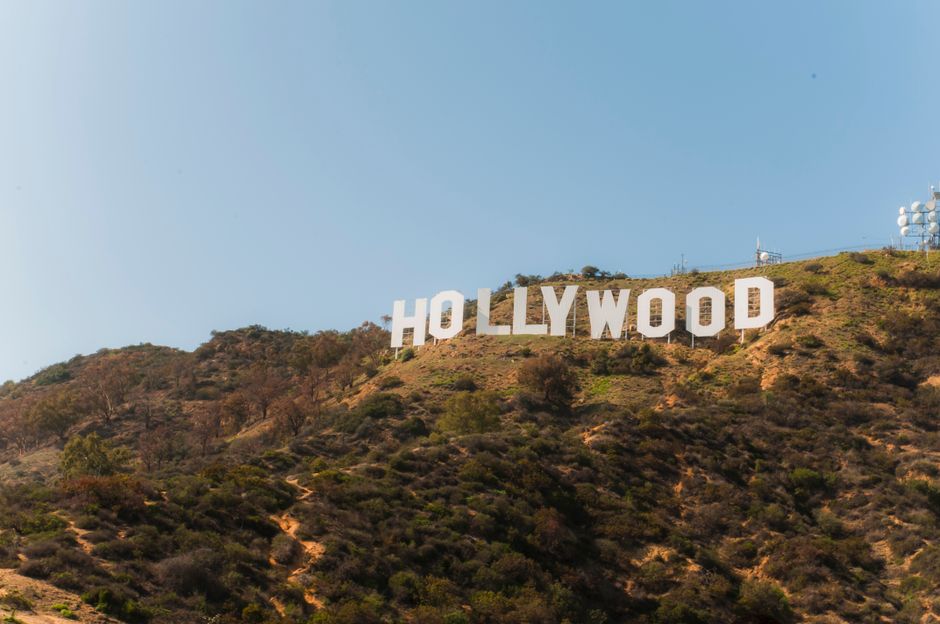
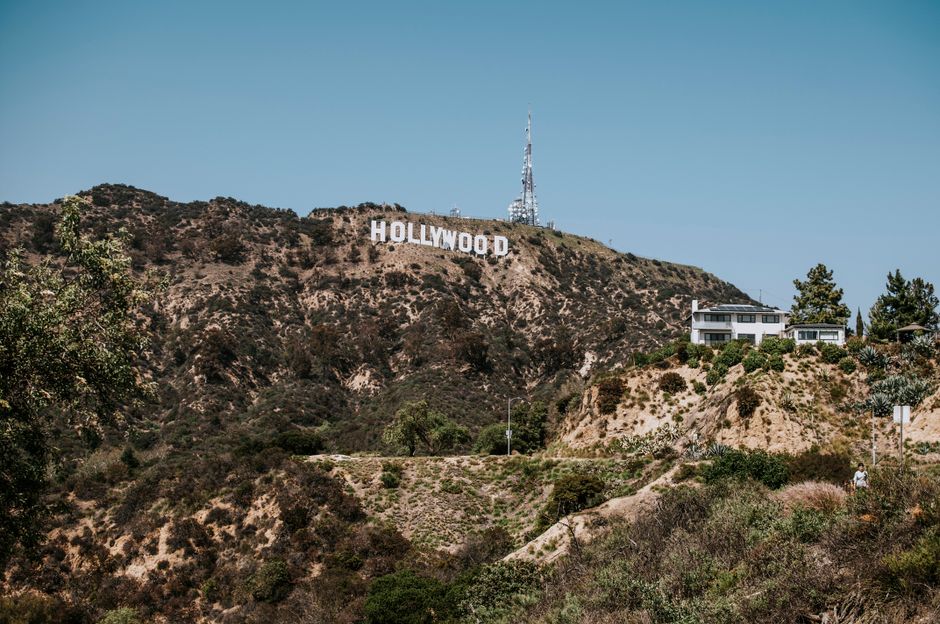
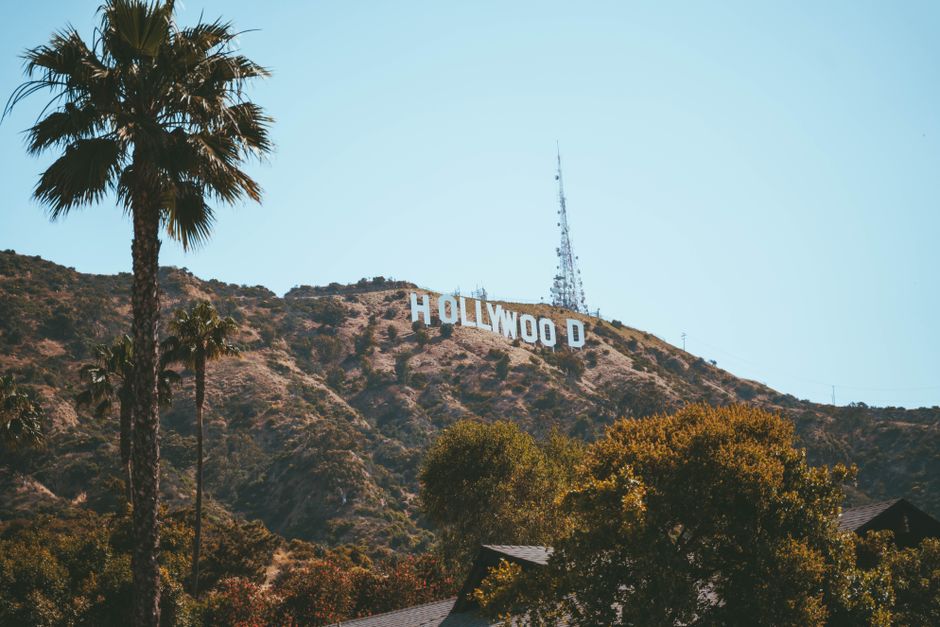
"The light pollution here is brutal," says a wellness coordinator at a Silverlake-based fitness collective. "Our clients started noticing real changes when they committed to a simple rule: no screens after sunset." That practice aligns with what sleep scientists call circadian alignment—matching your wake-sleep cycle to natural light patterns. For Angelenos, this means treating the Pacific sunset, visible from elevated neighborhoods like Echo Park and the Hollywood Hills, as a built-in signal to wind down.
The habit gaining traction across greater Los Angeles involves anchoring sleep routines to movement earlier in the day. Beach runners along the Santa Monica pier corridor have long known this intuitively; morning swims or runs synchronize cortisol levels naturally. But residents across less coastal neighborhoods—from Downtown LA to Pasadena—are adopting similar practices. A 30-minute walk through Griffith Park or along the LA River path in Frogtown before 10 a.m. has become a go-to habit for many seeking consistent, restorative sleep.
Practical specifics matter. Local acupuncture clinics in neighborhoods like Koreatown and West Hollywood report that clients combining evening herbal tea with consistent bedtimes (even on weekends) experience measurable improvement within two weeks. The investment? A quality herbal blend from neighborhood herbalists costs around $12–$18 per month—far less than sleep supplements, which the average American spends roughly $585 annually on, according to industry data.
Temperature control has emerged as another local favorite. With summer temperatures regularly exceeding 85°F, residents are investing in breathable linens and keeping bedrooms deliberately cool—a 65–68°F range—which aligns with sleep science. Blackout curtains, particularly common in valley neighborhoods where heat lingers, cost roughly $40–$80 and have become non-negotiable for many.
What makes these habits stick in Los Angeles specifically is their accessibility. You don't need membership fees or medical intervention. You need consistency: the same bedtime, morning light exposure, and an evening wind-down routine. From Venice to Burbank, locals who've adopted these practices report sleeping deeper within weeks. It's not glamorous. But it works—and that's exactly the point.
This article was compiled by AI and screened before publishing. See our editorial standards.
How does this story make you feel?
Spread the word
About this article
Published by The Daily Los Angeles
Daily brief
Free, in your inbox before 7am. Weekdays.
More in Wellness