A growing body of peer-reviewed research is reshaping how gerontologists approach mobility in aging populations—and Los Angeles is becoming a living laboratory for these findings. Recent studies published in the Journal of Aging and Physical Activity reveal that seniors who engage in consistent, moderate-intensity movement programs experience a 23% slower decline in functional mobility compared to sedentary peers, with benefits extending to balance, bone density, and even dementia risk reduction.
The science is straightforward but compelling. Muscle loss accelerates after age 60 at roughly 3-8% per decade without intervention. However, resistance training just twice weekly—what researchers call "dose-dependent" exercise—can reverse this trajectory by up to 40%. That's not theory; it's what movement specialists at facilities like the Lakeview Terrace Senior Center and community programs throughout the San Fernando Valley are documenting in their aging populations.
What makes Los Angeles particularly positioned to lead this conversation is its existing wellness infrastructure. The city's coastal geography naturally attracts active aging participants. Beach towns from Santa Monica to Malibu have spawned informal research networks where sand walking—a low-impact, resistance-rich activity—shows promise in UCLA and USC gerontology studies. A 2024 USC Longevity Institute analysis found that seniors engaging in 30 minutes of beach walking three times weekly improved their Timed Up and Go scores (a clinical mobility assessment) by an average of 1.8 seconds within eight weeks—meaningful for fall prevention.
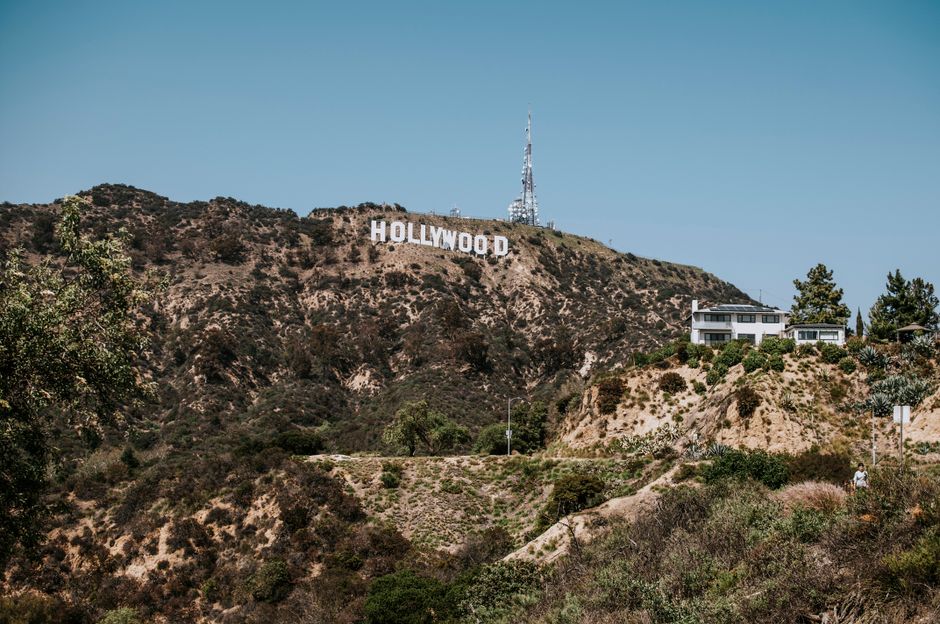
Griffith Park, accessible from Los Feliz and Burbank neighborhoods, serves as another natural research site. Observational data suggests that older adults who incorporate gentle trail walking maintain superior hip flexibility and lower extremity strength compared to flat-surface walkers, likely due to proprioceptive engagement on varied terrain.
The biochemical mechanisms are equally important. Movement triggers mitochondrial adaptation and increases brain-derived neurotrophic factor (BDNF), a protein critical for cognitive preservation. A 2025 meta-analysis in Gerontology Today confirmed that active aging participants showed measurable improvements in executive function and processing speed—benefits that extend quality of life beyond pure mobility.
Local organizations like the Los Angeles Department of Aging have begun implementing evidence-based programming. Classes ranging from $15 to $40 per session now incorporate this research, emphasizing consistency over intensity.
The message is clear: movement in later adulthood isn't optional supplementation to health. It's foundational biology. Los Angeles research continues proving that age itself isn't destiny—activity is.
This article was compiled by AI from the sources linked above and screened before publishing. See our editorial standards.