Los Angeles presents unique stressors: traffic gridlock on the 405, air quality alerts that keep us indoors, and a wellness industry that sometimes prioritizes Instagram aesthetics over actual mental health. But emerging research reveals that effective stress management isn't about finding the trendiest Venice Boulevard meditation studio—it's about understanding how our specific environment shapes anxiety and designing interventions accordingly.
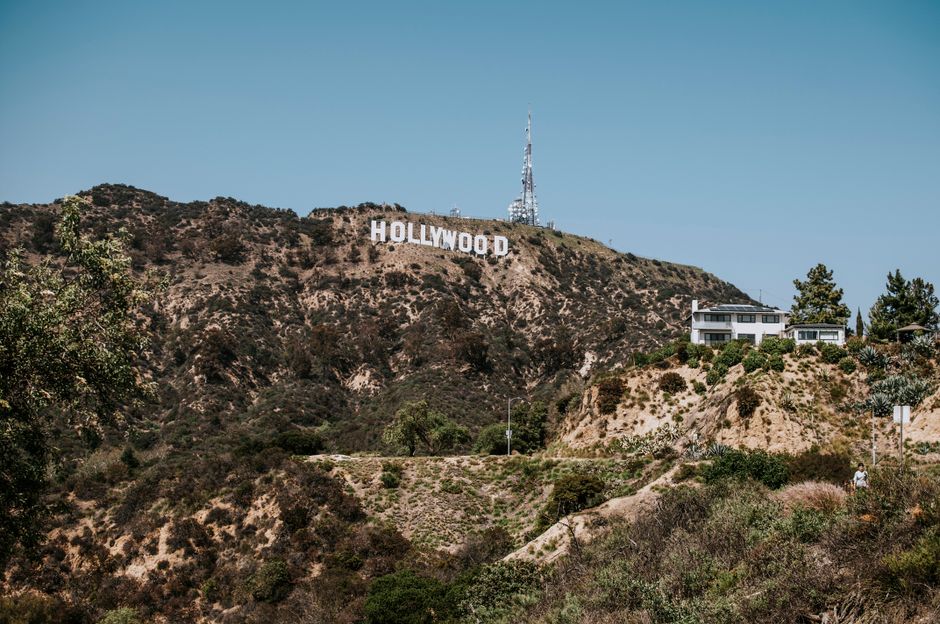
Start with movement in natural settings. A 2024 study from UCLA's Semel Institute found that 20-minute nature exposures significantly reduced cortisol levels in urban residents, with parks showing greater benefits than urban plazas. Griffith Park's 4,210 acres provide accessibility most LA neighborhoods lack. The key: consistency matters more than intensity. A twice-weekly walk along the park's trails produces measurable stress reduction comparable to weekly yoga classes costing $180 monthly at local studios.
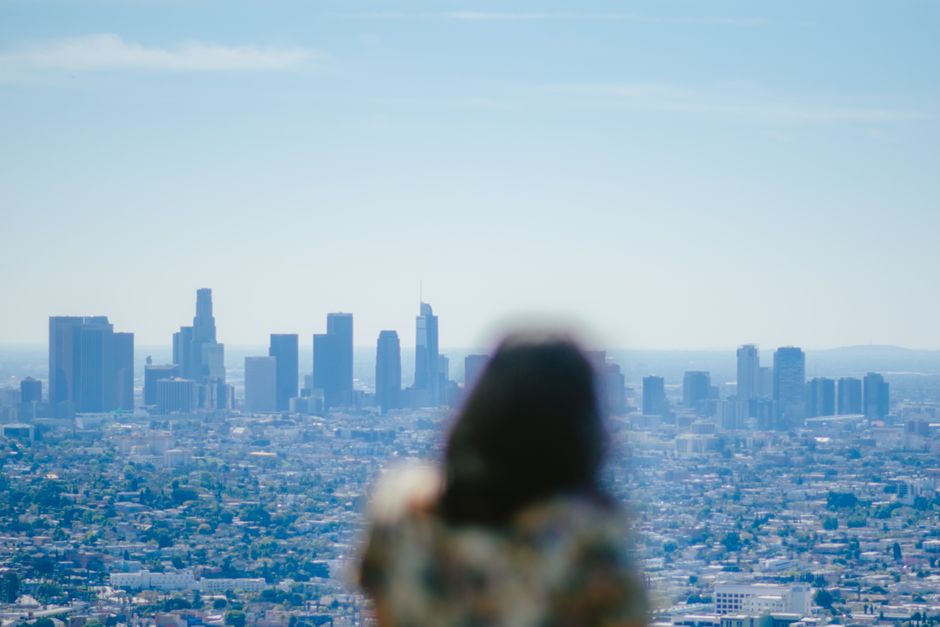
Air quality deserves attention that Los Angeles residents rarely give it. Research published in Environmental Health Perspectives shows that poor air quality exacerbates anxiety symptoms. On high-pollution days (typically summer afternoons), evidence supports indoor breathing exercises and guided meditation apps over outdoor activities. The South Coast Air Quality Management District provides daily forecasts—checking before planning your stress-relief routine isn't overthinking; it's optimization.
Coastal communities from Santa Monica to Malibu benefit from a documented phenomenon: proximity to ocean views reduces self-reported stress by up to 30 percent. But you needn't live beachside. A single morning visit to Will Rogers State Beach, even 15 minutes before commuting east, provides neurobiological benefits lasting several hours, according to Caltech environmental psychology research.
The juice bar culture saturating Melrose and Abbot Kinney Boulevard offers legitimate support through nutrition-based stress management. Magnesium-rich foods (found in many pressed juices and smoothies) show modest but real anxiety-reduction benefits in clinical trials. However, a $16 cold-pressed juice isn't necessary—the same nutrients cost $3 at farmers markets on Santa Monica Boulevard.
Finally, address technology-induced stress with hyper-local solutions. LA's entertainment industry culture normalizes constant connectivity. Research from USC's Annenberg School confirms that screen-free hours significantly reduce anxiety. Schedule device-free time during your commute home on the 10, or during evening walks through Los Feliz neighborhoods. The specificity matters: your brain benefits more from knowing you'll be offline 6-7pm daily than from vague intentions.
Effective stress management in Los Angeles isn't about transcendence—it's about working with your actual environment, not against it. The evidence suggests that modest, consistent, locally-adapted practices outperform expensive wellness trends. Your mental health doesn't require a Brentwood therapist referral; it requires honest assessment of what your neighborhood, season, and nervous system actually need.
This article was compiled by AI from the sources linked above and screened before publishing. See our editorial standards.