Running LA's Best Trails: Evidence-Based Tips That Actually Work for Local Conditions
Heat, air quality, and terrain demand a smarter approach—here's what research says about training safely in Southern California.
Heat, air quality, and terrain demand a smarter approach—here's what research says about training safely in Southern California.
Los Angeles runners face a unique challenge: temperate weather that feels forgiving until it isn't. The region's heat, variable air quality, and diverse terrain require strategies backed by exercise physiology, not just enthusiasm. Here's what the science tells us about training smarter on local trails.
Time Your Runs Around Temperature and UV Index
Summer runs along the Malibu bluffs or from Temescal Canyon in the Pacific Palisades are visually stunning, but dawn and dusk training is essential. Research published in the Journal of Athletic Training confirms that morning runs (before 9 a.m.) minimize heat stress and UV exposure. The South Coast Air Quality Management District tracks real-time ozone levels—check their website before heading out, particularly on weekdays when traffic-related pollution peaks in inland areas like Griffith Park.
Hydration Strategy Matters More Than You Think
A 2023 study in Sports Medicine found that preemptive hydration—drinking 400-600 milliliters of fluid 2-3 hours before running—outperforms reactive hydration on longer efforts. The dry LA climate accelerates sweat loss. For runs longer than 90 minutes on trails like the Backbone Trail in Malibu, carrying electrolyte-enhanced water reduces cramping risk more effectively than plain water alone.
Know Your Terrain and Plan Accordingly
Griffith Park's fire roads and singletrack trails require different footwear and pacing than coastal runs. Studies on trail running biomechanics show that rocky, uneven terrain increases injury risk by 32 percent compared to road running when runners exceed their technical skill level. Begin with well-maintained paths like the Fern Dell Loop before progressing to more technical terrain in the San Gabriel Mountains.
Recovery Needs Adjustment for Heat
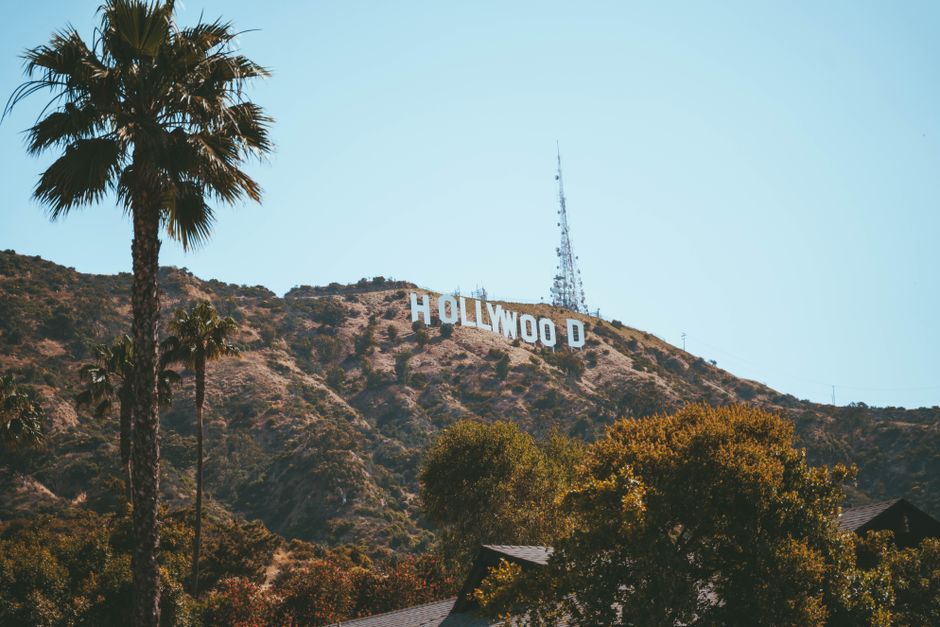
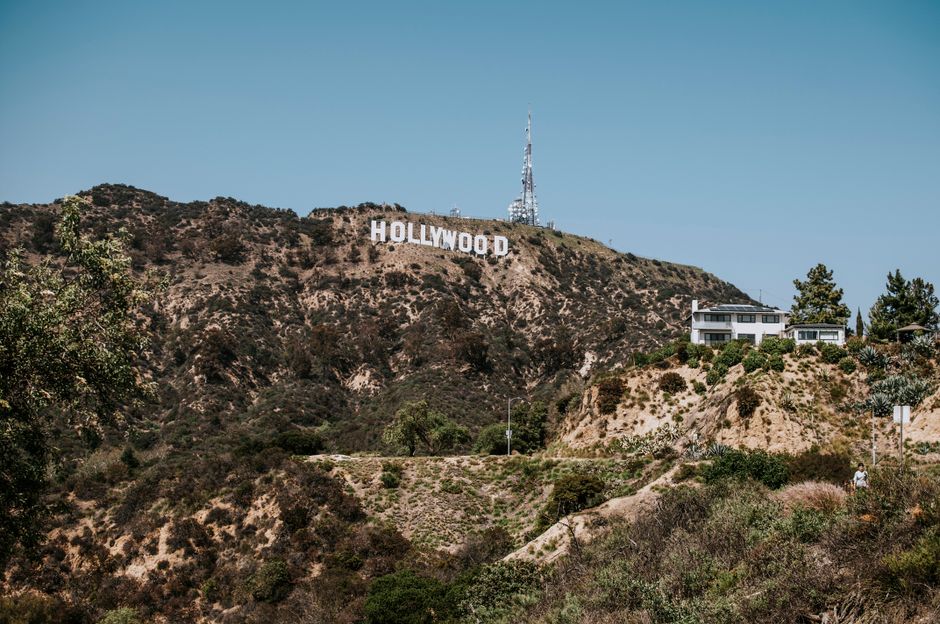
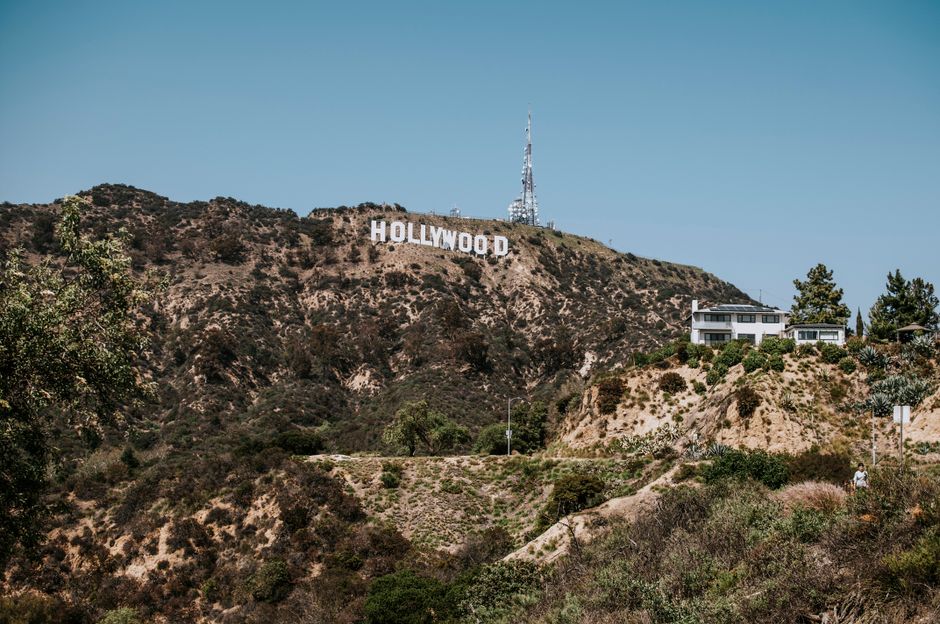
Research in the American Journal of Sports Medicine indicates that heat accelerates muscle glycogen depletion. After running in LA's warmer months, prioritize carbohydrate intake within 30 minutes of finishing. Many runners near Runyon Canyon and the Hollywood Hills now stop at nearby juice bars—the convenience supports adherence to evidence-based recovery protocols.
Air Quality Makes a Real Difference
On high-pollution days (Air Quality Index above 150), respiratory function decreases measurably. Indoor treadmill alternatives or short, lower-intensity runs become preferable to lengthy outdoor efforts. The SCAQMD's free mobile app provides hyperlocal forecasting so you can plan weekly schedules strategically.
Los Angeles offers year-round running advantages—use them wisely by training with local conditions in mind, not against them.
This article was compiled by AI from the sources linked above and screened before publishing. See our editorial standards.
How does this story make you feel?
Spread the word
About this article
Published by The Daily Los Angeles
Daily brief
Free, in your inbox before 7am. Weekdays.
More in Wellness