Ask a Los Angeles fitness enthusiast where they logged their miles this morning, and you'll likely hear about a trail, not a treadmill. Over the past two years, outdoor running has shifted from niche hobby to mainstream wellness trend across the city—a movement so pronounced that parks departments and trail maintenance crews are scrambling to accommodate the influx.
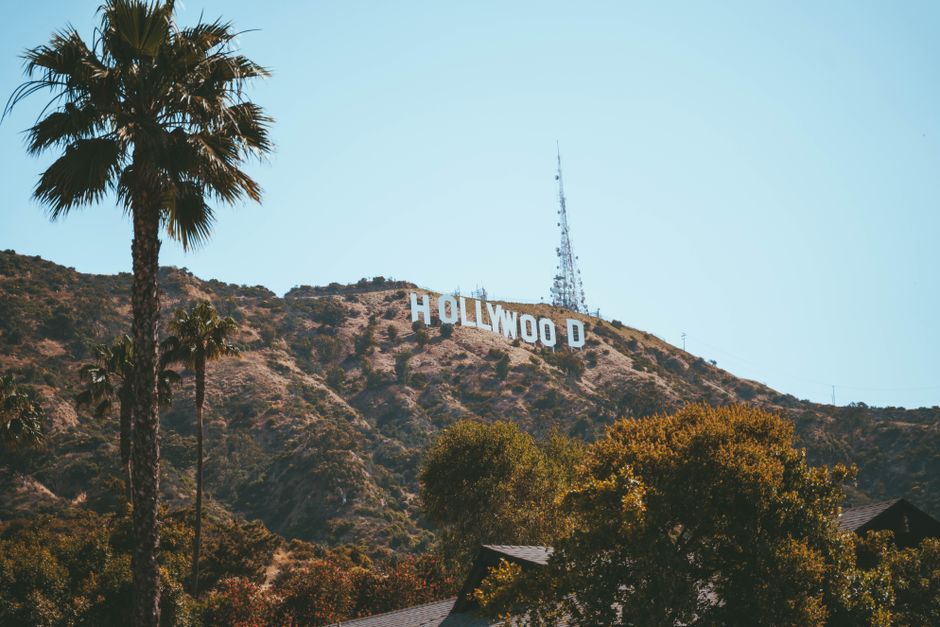
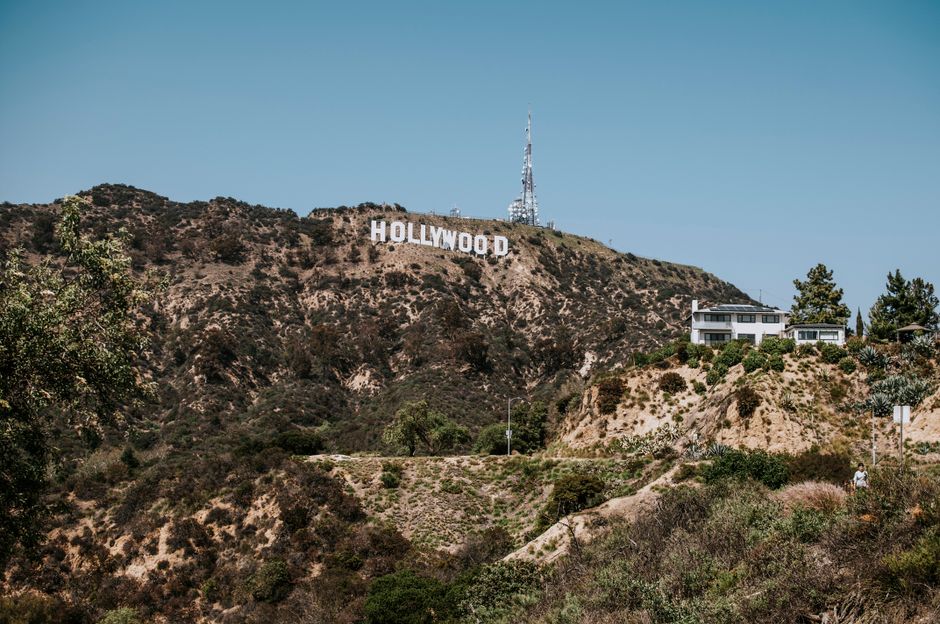
Griffith Park has become ground zero for this phenomenon. The 4,210-acre urban sanctuary now hosts thousands of daily runners tackling everything from the moderate 3.2-mile loop around the park's perimeter to the challenging Mount Hollywood Trail. On weekends, the parking lots fill by 7 a.m., with runners queuing at the ranger station like they're waiting for a popular restaurant reservation.
"The shift is real," says Sean Chiang, who manages fitness programming for the city's parks and recreation department. While official participation numbers remain difficult to pin down, anecdotal evidence abounds. Instagram hashtags like #GriffithParkRunner and #SantaMonicaTrails have accumulated hundreds of thousands of posts since 2024. Local running clubs report membership doubling in the past 18 months alone.
The appeal extends beyond Griffith. The Ballona Wetlands near Playa Vista offers a flatter, scenic alternative with soft ground underfoot—ideal for joint protection. Along the coast, the Marvin Braude Bike Trail stretches roughly 22 miles from Will Rogers State Beach through Malibu, attracting sunset runners who trade asphalt for ocean views. Runyon Canyon, despite perpetual overcrowding, remains a bucket-list run for visitors and locals alike.
This wellness surge reflects broader shifts in how Angelenos approach fitness. The city's juice bar and wellness culture has always prized natural movement, but outdoor running offers something gyms and boutique studios cannot: free access, community, and connection to LA's unique landscape. A studio spin class costs $25 to $35; a Griffith Park trail run costs nothing but effort.
Local running retailers have noticed. Fleet Feet in Los Feliz and Santa Monica Running Company report increased foot traffic and demand for trail-specific footwear. Training groups like Tracksmith's LA chapter and the free Tuesday night runs organized through local gyms have created informal communities where strangers become running partners.
The infrastructure challenge remains real. Trail erosion, limited parking, and occasional safety concerns persist. But for a city historically defined by car culture, the sight of hundreds of runners converging on Griffith Park or the bluffs overlooking the Pacific suggests something deeper is shifting. Los Angeles is finally discovering what its geography has always offered: a playground for movement that requires nothing but shoes and intention.
This article was compiled by AI from the sources linked above and screened before publishing. See our editorial standards.