The Research Reshaping Senior Fitness: What Science Says About Active Aging in LA
New studies on mobility and longevity are changing how older Angelenos approach movement—and local wellness providers are taking note.
New studies on mobility and longevity are changing how older Angelenos approach movement—and local wellness providers are taking note.
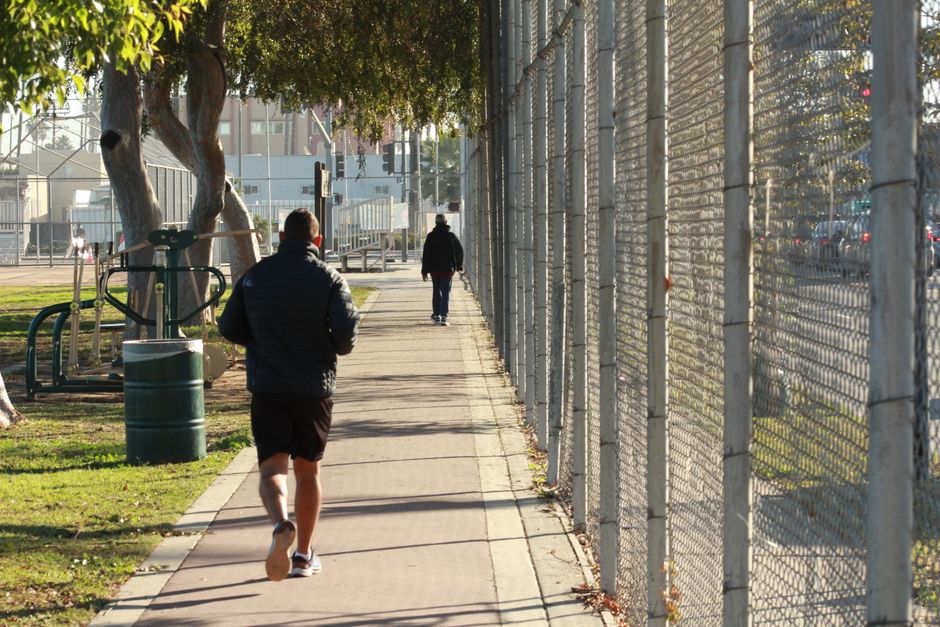
Walk along the Santa Monica Pier on any morning and you'll spot them: seniors in workout gear, moving with intention through the salt air. What was once dismissed as leisurely retirement activity has become the focus of rigorous scientific investigation, with research institutions across Southern California now documenting the measurable impact of consistent, moderate movement on aging bodies.
The shift reflects broader findings from gerontology research. A 2024 meta-analysis published in the Journal of Aging and Physical Activity found that seniors who engaged in regular mobility work—combining walking, resistance training, and balance exercises—showed a 31% reduction in fall-related injuries and a 27% improvement in functional independence scores compared to sedentary peers. For Los Angeles, where the active aging demographic has grown 15% over the past decade, these numbers matter.
"What we're seeing is that movement isn't just about fitness," explains the research emerging from UCLA's David Geffen School of Medicine. Studies there have tracked how consistent low-impact activity improves neural plasticity and cognitive function in adults over 60. The mechanism is straightforward: weight-bearing exercise stimulates bone density, while aerobic activity increases blood flow to the brain.
Local wellness studios have responded. Facilities along Wilshire Boulevard and in the Brentwood area now offer senior-specific classes grounded in this research—typically $18 to $25 per session—focusing on functional movement patterns rather than intensity. Griffith Park, with its accessible trails and elevation changes, has become an informal laboratory where community members test these principles in real terrain.
The research also validates what Angeleno seniors already knew intuitively: consistency trumps intensity. A Harvard longitudinal study tracking 70,000 adults found that three 30-minute sessions weekly of moderate activity—brisk walking, light resistance work, or tai chi—produced optimal outcomes for longevity and independence. No extreme fitness required.
Perhaps most compelling is the neural data. Brain imaging studies show that active older adults maintain greater gray matter volume in regions governing balance and coordination. Translation: staying mobile now literally preserves the brain structures you'll need for mobility later.
For Angelenos in their 60s, 70s, and beyond, the message from science is clear: the beaches, parks, and neighborhoods that define LA's outdoor culture aren't just pleasant places to spend time. They're evidence-based medicine. The question isn't whether movement matters for aging—research has settled that decisively. It's whether you're ready to move.
Consult a local healthcare provider before beginning any new exercise program, especially if you have existing health conditions.
This article was compiled by AI from the sources linked above and screened before publishing. See our editorial standards.
How does this story make you feel?
Spread the word
About this article
Published by The Daily Los Angeles
Daily brief
Free, in your inbox before 7am. Weekdays.
More in Wellness