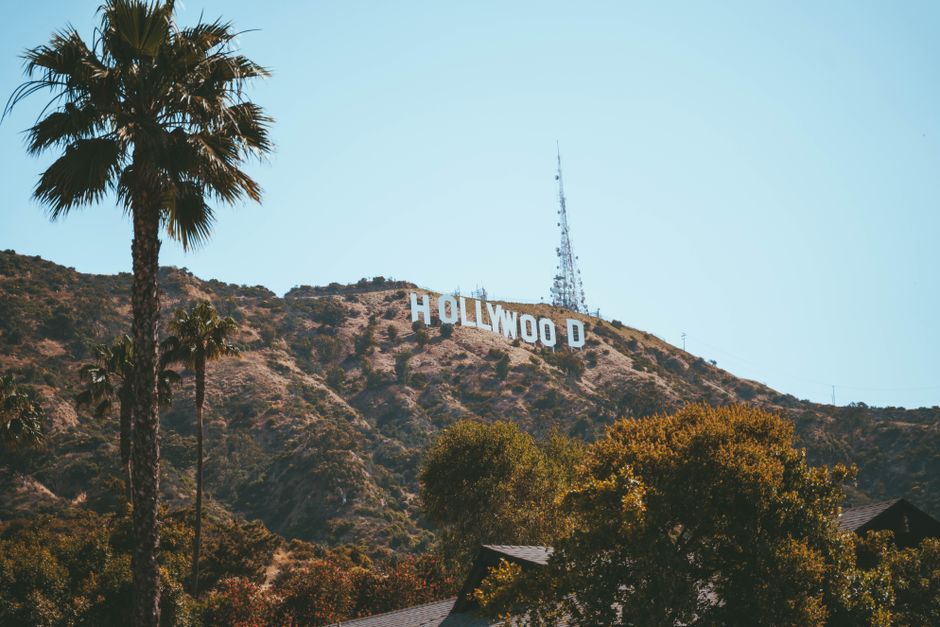
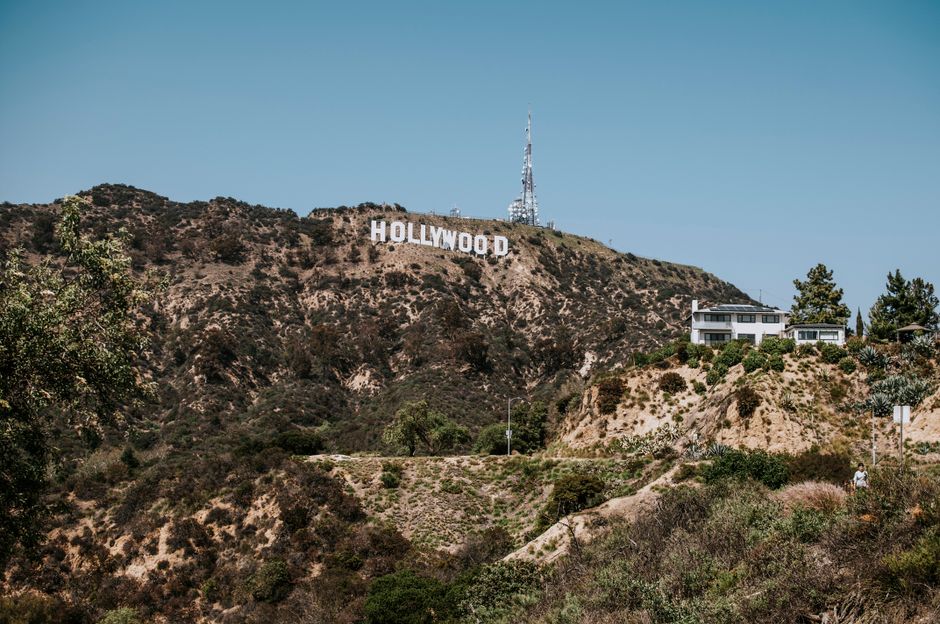
Along the fire roads of Griffith Park and the bluff-hugging trails of Pacific Palisades, something quietly revolutionary is happening. Los Angeles residents are discovering that outdoor running—far from the treadmill monotony that dominates most fitness narratives—has become a genuine catalyst for personal transformation, community building, and urban wellness.
The statistics paint a compelling picture. Since 2023, participation in organized trail running groups across Los Angeles County has grown by approximately 34%, according to data from local running clubs and the LA Parks and Recreation department. That surge reflects a broader shift: people are moving away from gym memberships and toward the trails that define this city's geography.
Consider the ecosystem that makes this possible. The Griffith Park trail system—2,053 acres threading through Los Feliz, Silver Lake, and Atwater Village—has become a de facto community hub for runners of all levels. Meanwhile, the Malibu Creek State Park trails attract visitors from across the basin, while the Will Rogers State Historic Park in the Pacific Palisades draws weekend warriors seeking both nature and neighborhood connection. The Santa Monica Mountains Conservancy reports that trail usage in the palisades has increased 41% since 2022, with many citing the social and mental health benefits of group running as their primary motivation.
What makes these transformations genuine isn't just physical fitness. Runners report discovering neighborhood identity, building friendships across socioeconomic divides, and accessing mental health support that no subscription app can replicate. Groups like the Silverlake-based running collectives and the Malibu trail networks have created informal mentorship systems where experienced runners guide newcomers—a dynamic that traditional gyms rarely foster.
The economic accessibility matters too. Unlike boutique fitness studios charging $30-40 per class, trail running remains free. While some organized groups ask for modest donations ($5-15 per meet) to maintain trail routes, the barrier to entry remains remarkably low compared to other wellness pursuits that dominate LA's image.
Importantly, these aren't Instagram-ready performance narratives. The real transformation stories emerging from Runyon Canyon, Temescal Canyon, and the Will Rogers trails involve people navigating injury recovery, mental health challenges, and life transitions. The trails offer structure, community accountability, and the psychological reset that studies increasingly confirm: outdoor exercise benefits mood and cognitive function more effectively than indoor alternatives.
As summer temperatures climb toward the 90s, these running communities continue expanding. Trail running season in Los Angeles operates year-round, but early morning routes—before 7 a.m. across most popular trails—remain the sweet spot for avoiding heat and building community bonds.
For those considering joining: start with established meetup groups in your neighborhood, invest in proper trail running shoes (crucial for ankle support on uneven terrain), and remember that transformation in Los Angeles isn't about speed or distance. It's about consistency, community, and discovering that the city's most valuable resource isn't the weather—it's the ground beneath your feet.
This article was compiled by AI from the sources linked above and screened before publishing. See our editorial standards.