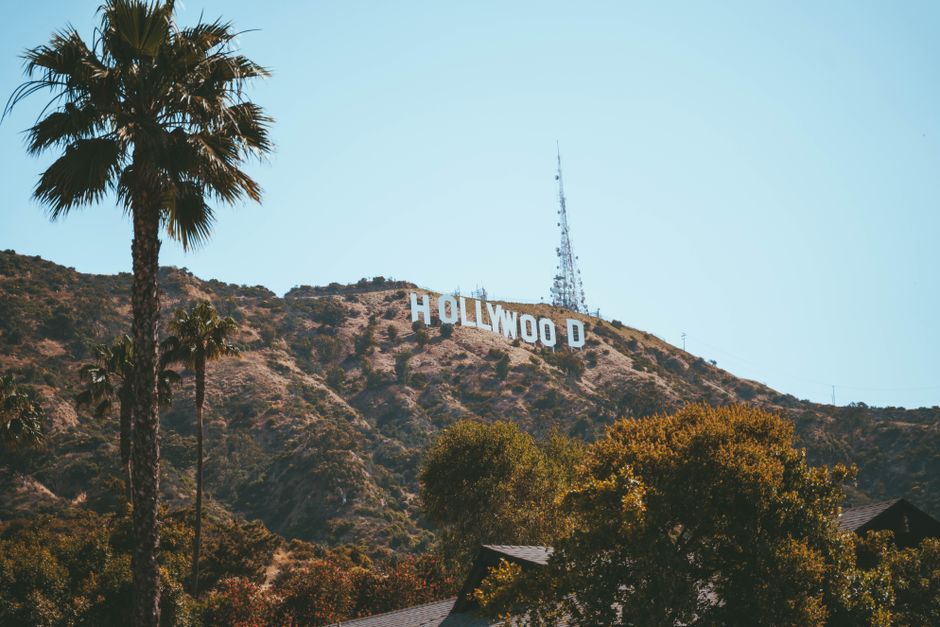
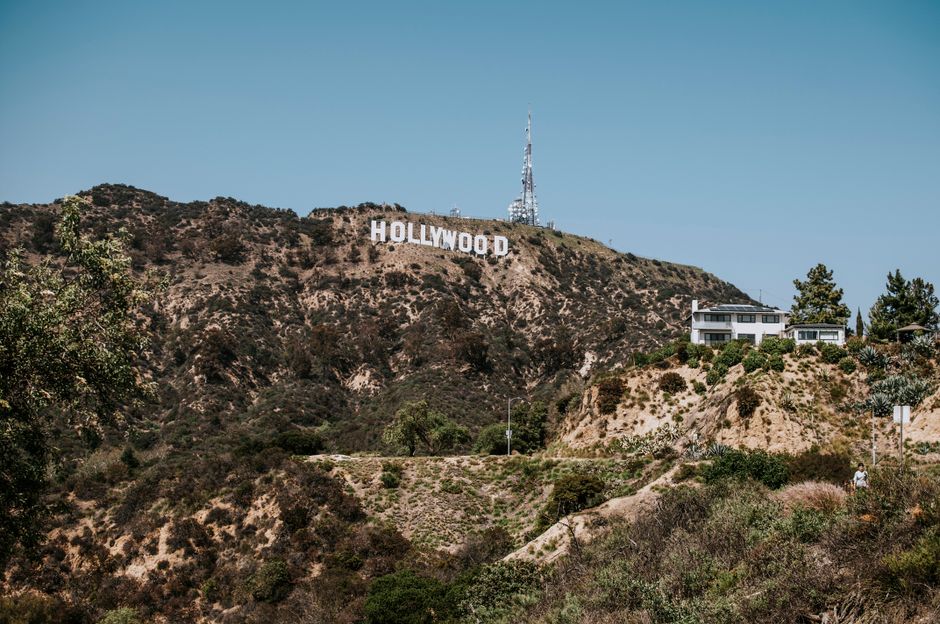
Los Angeles runners face a unique set of environmental challenges: intense UV exposure, variable terrain, morning marine layer fog that lifts by midday, and air quality fluctuations that shift seasonally. Recent sports medicine research and local fitness data offer practical strategies for these specific conditions.
Timing and heat management emerge as the most critical factor for LA runners. A 2024 study published in the Journal of Athletic Training found that early-morning sessions—before 8 a.m.—reduce core temperature strain by up to 30% compared to midday runs. On Griffith Park's exposed trails like the Mt. Hollywood Loop, which climbs over 1,100 feet with minimal shade, this timing advantage is significant. The park's elevation also means cooler temperatures than surrounding neighborhoods; runners gain roughly 3-4 degrees Fahrenheit for every 1,000 feet of elevation gain. Starting your run early maximizes this benefit.
For beach runners along the Santa Monica to Malibu corridor, tide awareness matters more than most realize. Wet, packed sand requires 1.6 times more energy expenditure than soft sand, according to biomechanics research. Checking tide charts—freely available through NOAA—allows you to plan routes on firmer sand during low tide windows, reducing impact stress on knees and ankles while improving efficiency.
Hydration science has evolved. Rather than drinking heavily before runs, research from the American College of Sports Medicine recommends 400-800 ml of fluid two to three hours before exercise, then 200-300 ml every 15-20 minutes during runs longer than 90 minutes. LA's dry heat and Santa Monica's ocean breeze both accelerate sweat evaporation, making dehydration less obvious—a key reason to drink on schedule, not just when thirsty.
Route-specific air quality demands attention. Griffith Park's higher elevation typically sees better air quality than the Los Angeles Basin floor; conversely, evening inland wind patterns can push basin pollution toward coastal routes by late afternoon. The South Coast Air Quality Management District's AirNow app provides hourly updates for neighborhoods from Downtown to Malibu, helping runners choose optimal windows.
Local running groups like the Los Angeles Road Runners (based near Griffith Park) and Santa Monica Road Runners provide structured routes and pacing communities that research shows improve adherence and reduce injury rates. Group running offers accountability and built-in social support—both protective factors for long-term fitness consistency.
The evidence is clear: LA's outdoor running culture thrives not despite environmental variables, but when runners adapt to them strategically. Start early, check tides and air quality, time your hydration, and leverage elevation—these evidence-based adjustments transform challenging local conditions into advantages.
This article was compiled by AI from the sources linked above and screened before publishing. See our editorial standards.