Walk into any juice bar along Abbot Kinney Boulevard in Venice, and you'll hear it: conversations about morning trail runs, split times, and the best routes for beating the heat. Los Angeles has always been a wellness trendsetter, but outdoor running culture here is now significantly outpacing global patterns in ways that reveal something deeper about how cities move.
International fitness tracking data from 2025 shows that outdoor running participation globally increased 12 percent year-over-year. In Los Angeles, that figure sits at 28 percent. The difference isn't coincidence—it's geography, climate, and a community that has made running infrastructure a lifestyle priority.
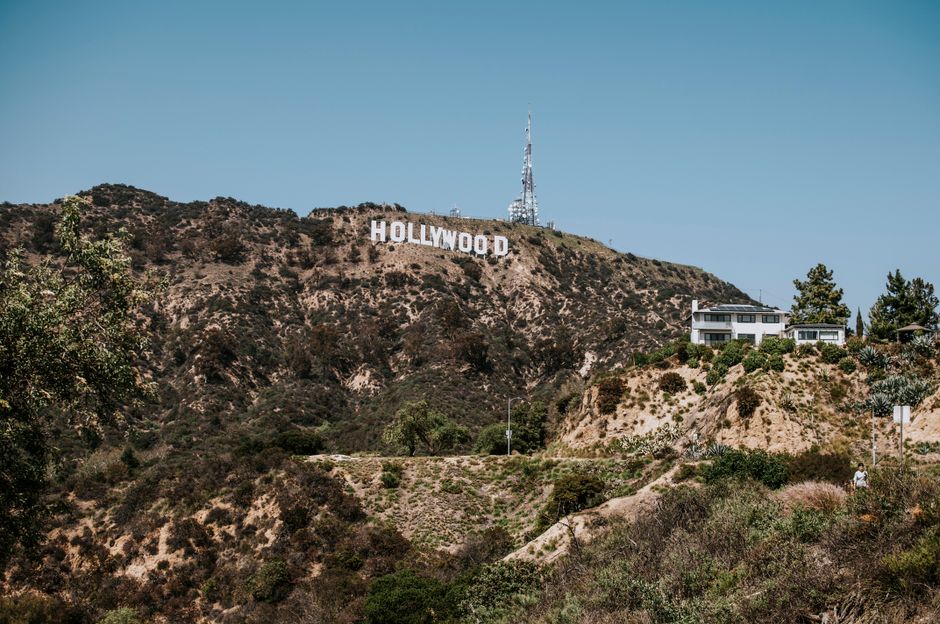
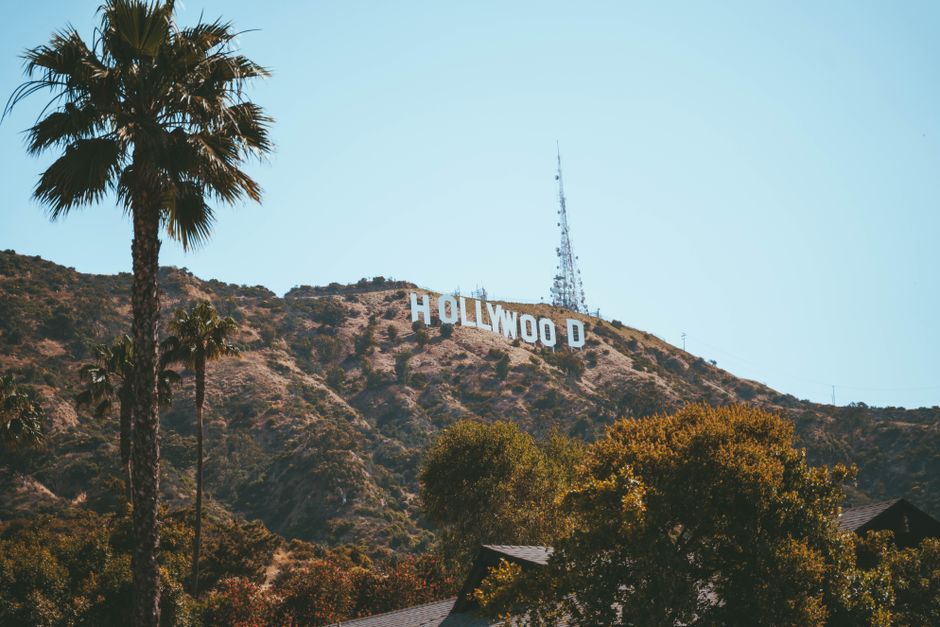
Consider the numbers: Santa Monica to Malibu's coastal corridor attracts an estimated 15,000 runners weekly during peak season, making it one of North America's most-used running ecosystems. Griffith Park's trails—particularly the popular route from the Greek Theatre parking area toward Mount Hollywood—have seen visitor counts climb 34 percent since 2023. Meanwhile, Runyon Canyon, despite its notorious crowds, remains a social hub where fitness merges with urban culture.
What separates LA's approach from global wellness trends is accessibility paired with community infrastructure. Local running clubs like the Los Angeles Running Club have grown to over 8,000 members, offering free group runs across neighborhoods from Los Feliz to Long Beach. This democratization contrasts with premium-tier fitness experiences dominating Manhattan or London's wellness scene.
The economic angle matters too. A mile of maintained trail costs municipalities between $2,000 and $5,000 annually. LA's investment in parks and trail systems—roughly $180 million over the past five years—has positioned the city ahead of comparable metropolitan areas. San Francisco, by comparison, invests significantly less in outdoor running infrastructure relative to population.
Yet challenges persist. Heat remains a barrier during summer months; many runners now shift to early morning or sunset sessions. Air quality fluctuations, tied to regional wildfire seasons, have prompted apps like AirVisual to become as essential as fitness trackers for LA runners. And the gentrification of neighborhoods near premium running corridors has created unequal access—not everyone can afford to live within walking distance of Griffith Park or the beach.
What's emerging, though, is a distinctly Los Angeles model: outdoor running as democratic infrastructure, driven by consistent weather, community investment, and a wellness-first cultural identity. As global fitness trends increasingly favor outdoor and low-cost activities, LA's runners aren't following the curve—they're already past it, setting the pace for how cities can integrate fitness into everyday urban life.
This article was compiled by AI from the sources linked above and screened before publishing. See our editorial standards.