From 5 a.m. Beach Runs to Midnight Scrolling: How Local Angelenos Rewired Their Sleep
Across LA's neighborhoods, residents are ditching the hustle-culture sleep deficit to discover that rest isn't laziness—it's the ultimate performance upgrade.
Across LA's neighborhoods, residents are ditching the hustle-culture sleep deficit to discover that rest isn't laziness—it's the ultimate performance upgrade.
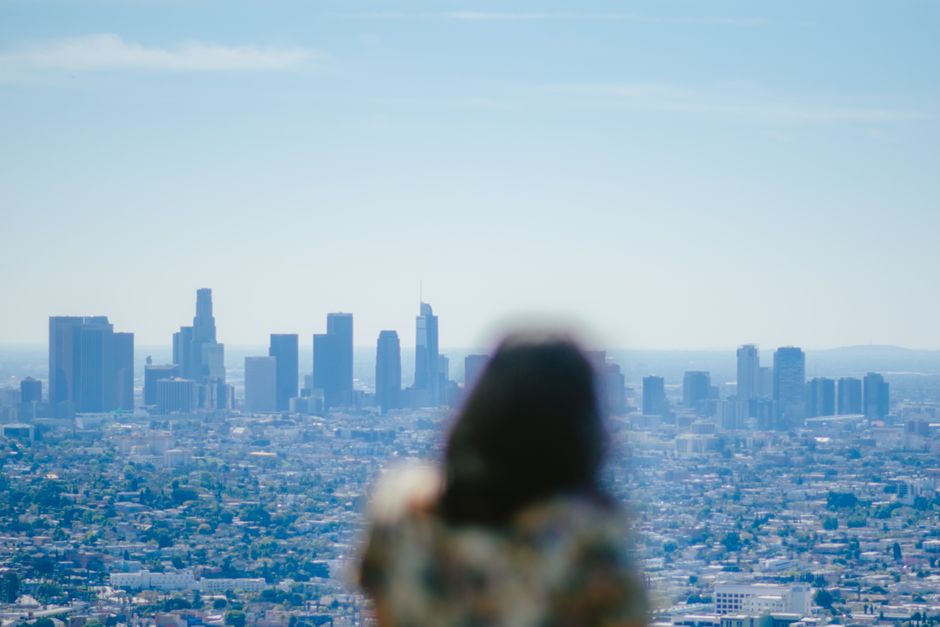
The irony isn't lost on fitness-obsessed Los Angeles: the city that built its wellness reputation on dawn beach runs and Griffith Park hikes is simultaneously one of America's sleep-deprived capitals. But a quiet shift is underway in neighborhoods from Silver Lake to Santa Monica, where locals are challenging the productivity-at-all-costs mentality that's long defined LA wellness culture.
"Sleep used to feel like something I had to optimize around," says one Venice-based fitness instructor who oversees dawn classes along the Strand. She's part of a growing cohort of wellness professionals recognizing that rest quality—not just workout intensity—determines actual results. Recent data from UCLA's sleep research division shows that 35% of Southern California adults report insufficient sleep, yet only 12% actively prioritize sleep hygiene as a wellness metric.
The shift is manifesting in unexpected ways. Specialized sleep clinics have expanded across West LA and the Westside. Infrared sauna studios in Los Feliz and Korean spas in Koreatown now market evening sessions specifically as pre-sleep rituals rather than post-workout recoveries. Local meditation apps and breathwork practitioners—once niche offerings—are now mainstream recommendations from personal trainers at facilities from Mar Vista to Malibu.
One downtown LA wellness collective recently pivoted its evening programming. Where they once offered high-intensity classes until 8 p.m., they now curate "wind-down" sessions combining gentle movement with circadian-rhythm education. The shift generated unexpected attendance growth: evening class bookings increased 40% within three months of implementation.
The data backing this transformation is compelling. Sleep Foundation research indicates that consistent sleep schedules boost athletic recovery by up to 30%—a statistic that resonates in a city where fitness culture drives wellness decisions. Yet implementing change proves challenging in a metropolis built on perpetual motion.
Community accountability groups meeting in local parks and coffee shops have become informal support systems. Residents share practical strategies: eliminating screens by 10 p.m., adjusting evening light exposure, reconsidering caffeine consumption after 2 p.m. These aren't revolutionary concepts, but their adoption represents a philosophical shift in how LA defines wellness success.
The transformation isn't about rejecting LA's movement culture. Rather, it's an integration: recognizing that the morning run hits differently when preceded by genuine rest, that Griffith Park hikes feel more transcendent after quality sleep, and that the city's legendary wellness innovation extends equally to recovery as it does to exertion. For a community long measured by output, rest is finally becoming recognized as the most important performance metric of all.
This article was compiled by AI from the sources linked above and screened before publishing. See our editorial standards.
How does this story make you feel?
Spread the word
About this article
Published by The Daily Los Angeles
Daily brief
Free, in your inbox before 7am. Weekdays.
More in Wellness