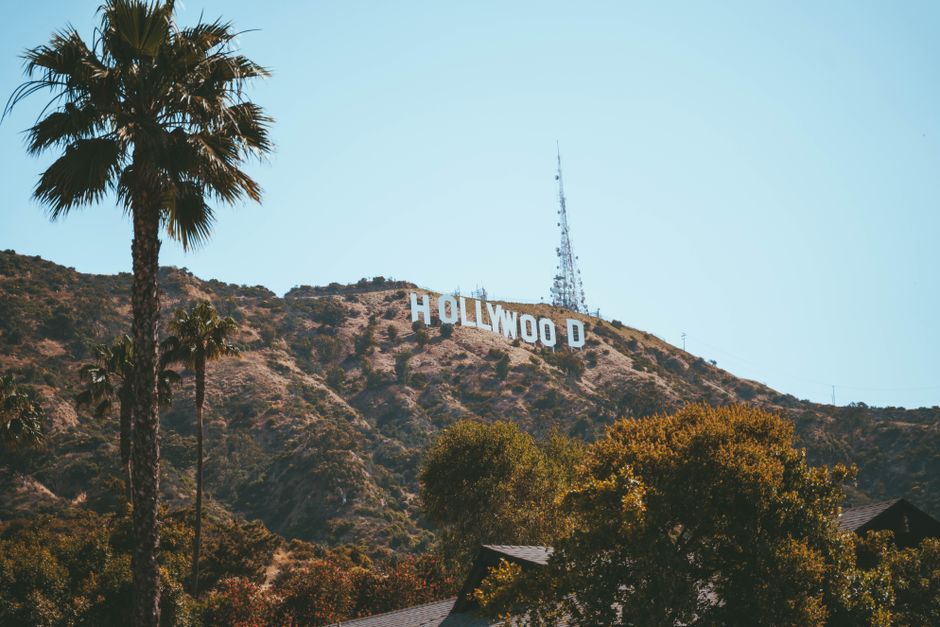
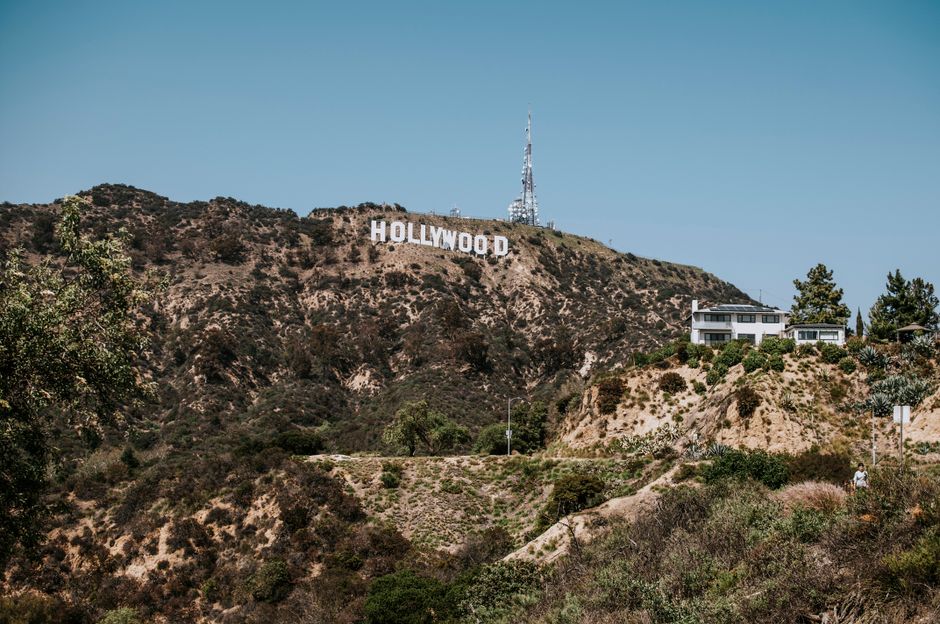
Walking along the Griffith Park trails or catching sunrise swims at the Santa Monica Pier has become more than casual recreation for Los Angeles seniors. A mounting body of gerontological research is validating what many active older adults already know: movement is medicine, and the specific type and frequency matter significantly.
Recent longitudinal studies from institutions like USC's Leonard Davis School of Gerontology have documented what researchers call the "mobility dividend"—a measurable improvement in functional capacity, balance, and independence when seniors engage in consistent, moderate-intensity activity. According to a 2024 analysis of aging populations in California, adults over 60 who maintained regular movement patterns showed a 30 percent reduction in fall-related injuries compared to sedentary peers.
The mechanism is straightforward but powerful. Movement preserves muscle mass, a critical factor in preventing sarcopenia—age-related muscle loss that affects roughly one in four seniors in the United States. It also maintains proprioception, the body's spatial awareness system, which naturally deteriorates with age. Regular activity literally rewires neural pathways responsible for balance and coordination.
Los Angeles has become an informal laboratory for this approach. Community fitness centers in Silver Lake and along the Westside, alongside beach-adjacent running clubs from Venice to Malibu, have adapted their programming specifically for older adults. Many now offer low-impact resistance classes and mobility-focused sessions that cost between $50-$120 monthly—significantly less than traditional physical therapy, which averages $150 per session.
The research also highlights specificity. A meta-analysis published in the Journal of Aging and Physical Activity found that combination programs incorporating balance work, light resistance training, and aerobic movement produced the most favorable outcomes for seniors over 65. This aligns with programming now standard at venues like the Silverlake Wellness Center and community pools throughout Los Angeles County.
What distinguishes current evidence-based approaches is the rejection of the "use it or lose it" mythology. Modern gerontology emphasizes that recovery and consistency matter more than intensity. Seniors who walk 30 minutes most days, incorporate simple resistance exercises twice weekly, and prioritize sleep show measurable improvements in mobility markers within 8-12 weeks.
For Los Angeles residents interested in exploring this evidence-based approach, local resources abound—from Griffith Park's accessible walking paths to YMCA locations offering senior-focused classes. The science is clear: mobility in aging isn't about defying age. It's about strategic, consistent movement that keeps the body's systems functioning as nature designed.
This article was compiled by AI from the sources linked above and screened before publishing. See our editorial standards.