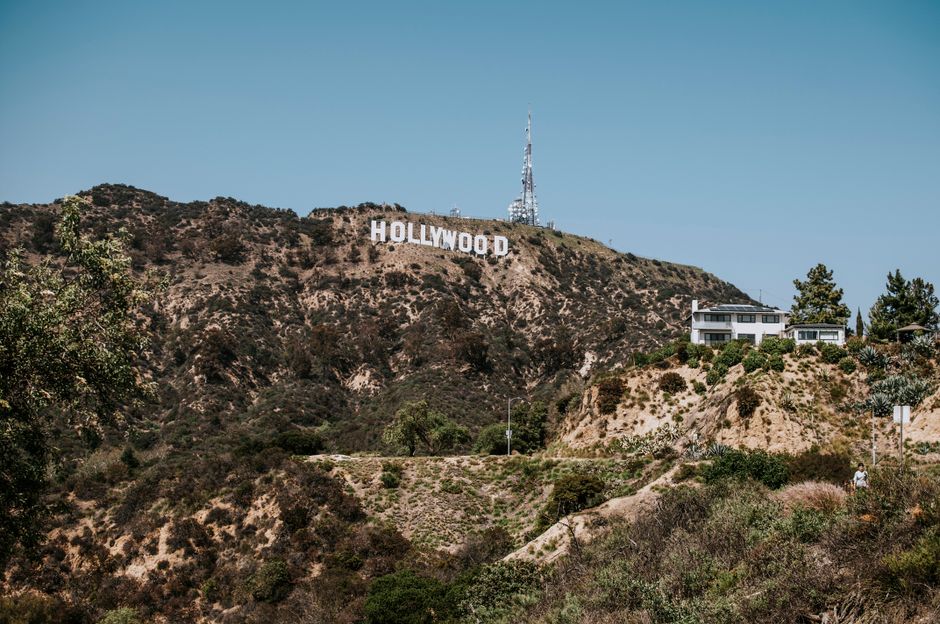
At Griffith Park on any given morning, you'll find dozens of seniors navigating the gentle slopes of the Observatory Trail or the flatter Mineral Wells Picnic Area loop. What many don't realize is that their commitment to movement is backed by decades of rigorous gerontological research—and Southern California institutions are leading the charge in understanding why.
The science is compelling: studies from UCLA's Gerontology Research Group, based in Westwood, have demonstrated that older adults who maintain regular physical activity experience significantly slower rates of cognitive decline and preserve muscle mass at substantially higher rates than sedentary peers. Research published over the past five years shows that adults over 60 who engage in 150 minutes of moderate aerobic activity weekly—roughly a 30-minute walk five days a week—reduce their risk of mobility limitations by up to 46 percent.
But it's not just about quantity. USC's Leonard Davis School of Gerontology has pioneered research into what exercise physiologists call "functional fitness"—movements that mimic everyday activities. Climbing stairs, rising from a chair, or maintaining balance while reaching for items become increasingly challenging with age due to sarcopenia, the natural loss of muscle mass. Targeted resistance work, even light weights or bodyweight exercises, can reverse this decline when performed twice weekly.
The Santa Monica and Malibu beach communities have become informal laboratories for this research. The repetitive, low-impact nature of beach walking—on sand that naturally resists forward motion—provides what researchers term "progressive resistance training" without the joint stress of traditional gym workouts. Local physical therapists report that their older clients who incorporate beach walks into routines show measurable improvements in gait stability and fall risk reduction within eight weeks.
What makes this moment unique for Los Angeles is the convergence of research accessibility and cultural momentum. Westside wellness centers now routinely integrate exercise science recommendations into their programming, with membership costs ranging from $80 to $150 monthly. The data suggests this investment pays dividends: adults maintaining active lifestyles after 60 report 23 percent fewer doctor visits annually and maintain independent living status approximately 7-10 years longer than less active peers.
The research consensus is clear: mobility in later life isn't destiny—it's a choice supported by movement. Whether it's the rolling terrain of Griffith Park, the natural resistance of Santa Monica's shoreline, or structured programming at neighborhood centers, the mechanism remains the same. Consistent, varied movement preserves the neural pathways and muscular capacity that independence requires.
For seniors considering where to start, researchers recommend consulting with a local physical therapist or geriatric specialist to develop a personalized approach.
This article was compiled by AI from the sources linked above and screened before publishing. See our editorial standards.