The Rise of Outdoor Boot Camps: What to Expect
From Griffith Park to Santa Monica's oceanfront, high-intensity group fitness is reshaping how Angelenos train—and it's more accessible than ever.
From Griffith Park to Santa Monica's oceanfront, high-intensity group fitness is reshaping how Angelenos train—and it's more accessible than ever.
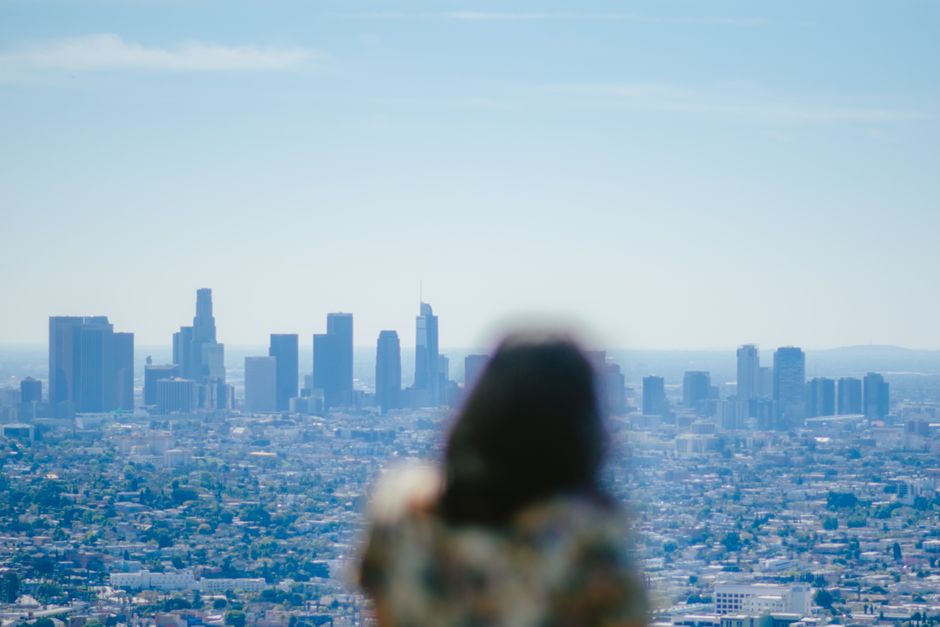
Step into Griffith Park on any given Tuesday morning, and you'll witness a fitness phenomenon that's transformed Los Angeles's wellness landscape over the past three years. Dozens of participants in athletic wear form circles across the grass, their trainer calling out burpee variations while the city sprawls below. This is no longer niche fitness—outdoor boot camps have become the backbone of community exercise culture across the greater Los Angeles area.
The growth is undeniable. Local fitness operators report a 67% increase in outdoor group class attendance since 2023, according to conversations with studio owners across the Westside. What started as pandemic-era workarounds has evolved into a preferred fitness category, combining affordability, community, and the region's year-round temperate climate.
A typical session runs 45 to 60 minutes, mixing cardio bursts with strength intervals. Expect circuits involving resistance bands, bodyweight movements, and occasionally weighted equipment. Prices range from $15 to $25 per class, or $80 to $120 for monthly unlimited passes—substantially less than indoor studio memberships. Many operators offer free trial sessions, recognizing that community building drives retention.
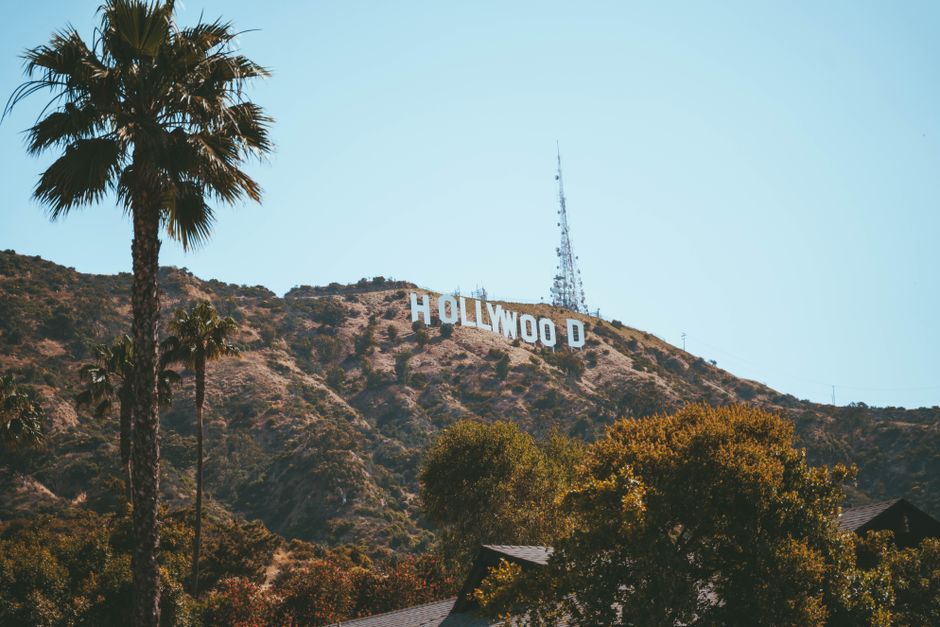
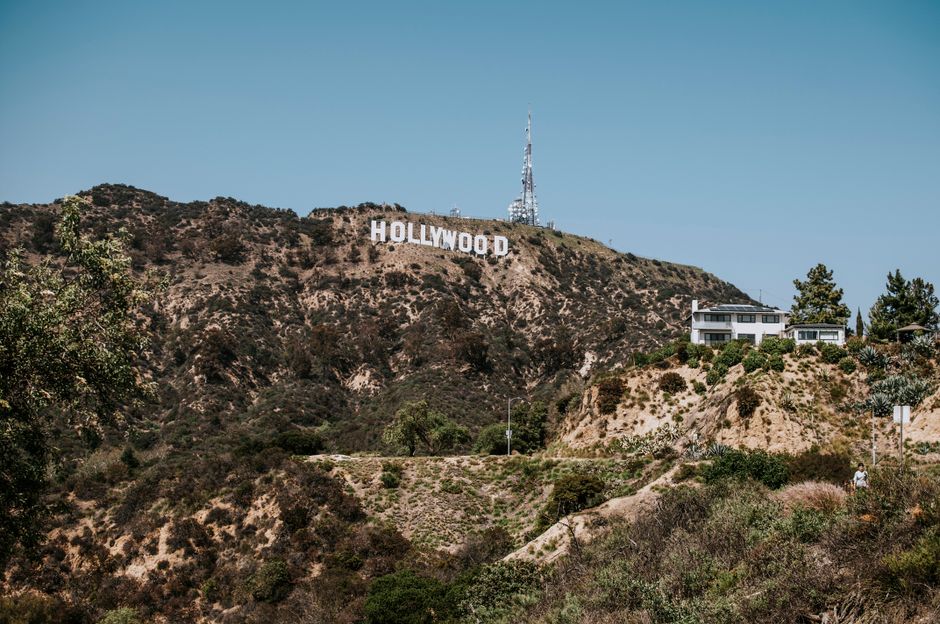
Popular neighborhoods have become boot camp hubs. Santa Monica's beachfront near Ocean Park Boulevard draws sunrise crowds eager to blend coastal views with high-intensity training. The Hollywood Hills trails near Mulholland Drive attract intermediate to advanced participants seeking elevation gain combined with fitness intervals. Downtown Los Angeles's Grand Park and Echo Park's lakeside paths have emerged as accessible entry points for beginners, with gentler modifications built into standard programming.
What distinguishes contemporary boot camps from earlier iterations is intentionality around inclusivity. Trainers routinely offer scaling options—modified burpees, lower-impact cardio alternatives, and strength variations—ensuring participants aged 25 to 70 work alongside each other. This democratization has broadened appeal beyond traditional fitness enthusiasts.
The social factor cannot be overstated. Participants cite camaraderie and accountability as primary motivations, even above fitness outcomes. Regular attendees often form carpools and post-workout coffee meetups, transforming transactional fitness into genuine community bonds.
For those considering their first session: arrive 10 minutes early, bring water, and wear supportive shoes appropriate for ground-based work. Most operators require minimal equipment beyond a mat or towel. The unwritten rule is simple—show up as you are, work at your own pace, and expect encouragement rather than competition.
As Los Angeles continues evolving its wellness identity beyond juice bars and yoga studios, outdoor boot camps represent something authentic: fitness accessible, affordable, and genuinely community-driven.
This article was compiled by AI from the sources linked above and screened before publishing. See our editorial standards.
How does this story make you feel?
Spread the word
About this article
Published by The Daily Los Angeles
Daily brief
Free, in your inbox before 7am. Weekdays.
More in Wellness