The Rise of Outdoor Boot Camps: What to Expect
From Griffith Park to Santa Monica Beach, LA's fitness culture is embracing structured group training—and locals are showing up in record numbers.
From Griffith Park to Santa Monica Beach, LA's fitness culture is embracing structured group training—and locals are showing up in record numbers.
Los Angeles has long been synonymous with outdoor fitness. But over the past 18 months, a particular format has moved from niche to mainstream: outdoor boot camps. These high-energy, small-group training sessions conducted in public spaces have become as ubiquitous as acai bowls in neighborhoods from Los Feliz to Venice Beach.
The shift reflects a broader wellness trend. According to fitness industry data from 2025, group fitness participation in Los Angeles County increased by 31 percent year-over-year, with outdoor training commanding the fastest growth segment. Boot camps—typically 45-minute sessions combining cardio, strength work, and functional movement—have become the format of choice for people seeking structure without the gym.
What's driving the boom? Partly logistics. Griffith Park's expansive trails and open fields provide natural training grounds. The bluffs overlooking Santa Monica Beach offer dramatic backdrops for interval training. But it's also cultural. After years of home-based fitness during lockdowns, Angelenos craved community again—the accountability of showing up, the camaraderie of pushing hard alongside neighbors.
A typical session costs between $20 and $35 per class, with many trainers offering 4-week or 8-week packages ($80-$240). Some programs operate on a drop-in basis; others require advance registration. Equipment varies. Sessions in Runyon Canyon might use only bodyweight. Those at Temescal Canyon often incorporate resistance bands and dumbbells. Beach-based camps along the Santa Monica Pier frequently integrate sand work for added intensity.
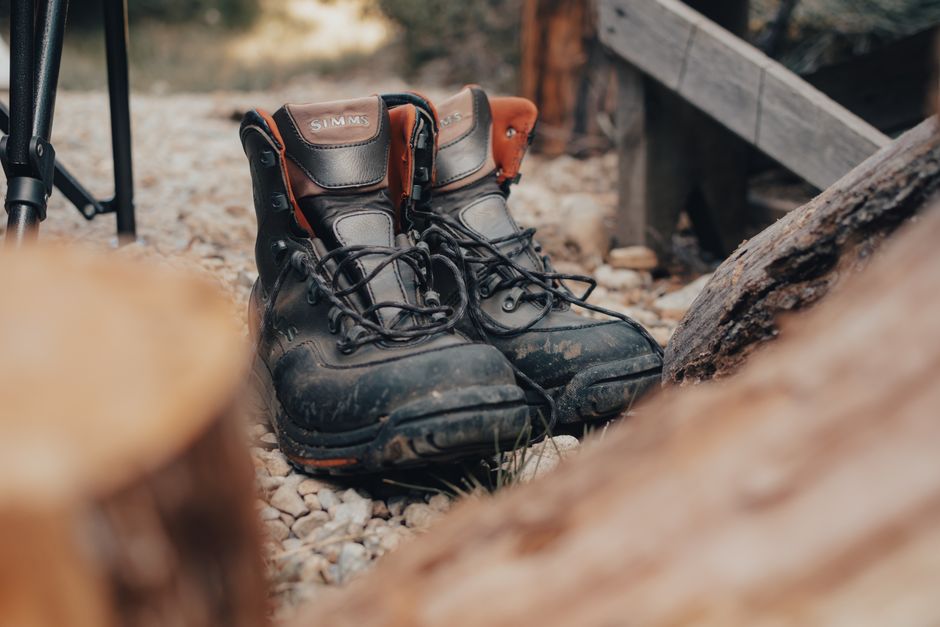
Expectations matter. Most boot camps welcome all fitness levels, though intensity is high. Expect to sweat within five minutes. Many sessions include a dynamic warm-up, a main block of circuits (burpees, mountain climbers, sprints, kettlebell work), core work, and a cool-down. Trainers typically provide modifications for injuries or mobility limitations. Come hydrated and with appropriate footwear—trails and sand demand stability.
The demographic spread is noteworthy. Sessions now attract professionals in their 30s alongside retirees seeking functional fitness. The pre-dawn crowd at Echo Park's waterfront differs from afternoon West Hollywood groups, though the format remains consistent: structured, community-oriented, results-focused.
For newcomers, arriving 10 minutes early is standard practice. Bring water, a towel, and realistic expectations about soreness. The rise of boot camps isn't about reinventing fitness—it's about recognizing that Angelenos thrive when structure meets sunshine, accountability meets aesthetics, and solitary effort becomes collective ambition.
This article was compiled by AI from the sources linked above and screened before publishing. See our editorial standards.
How does this story make you feel?
Spread the word
About this article
Published by The Daily Los Angeles
Daily brief
Free, in your inbox before 7am. Weekdays.
More in Wellness