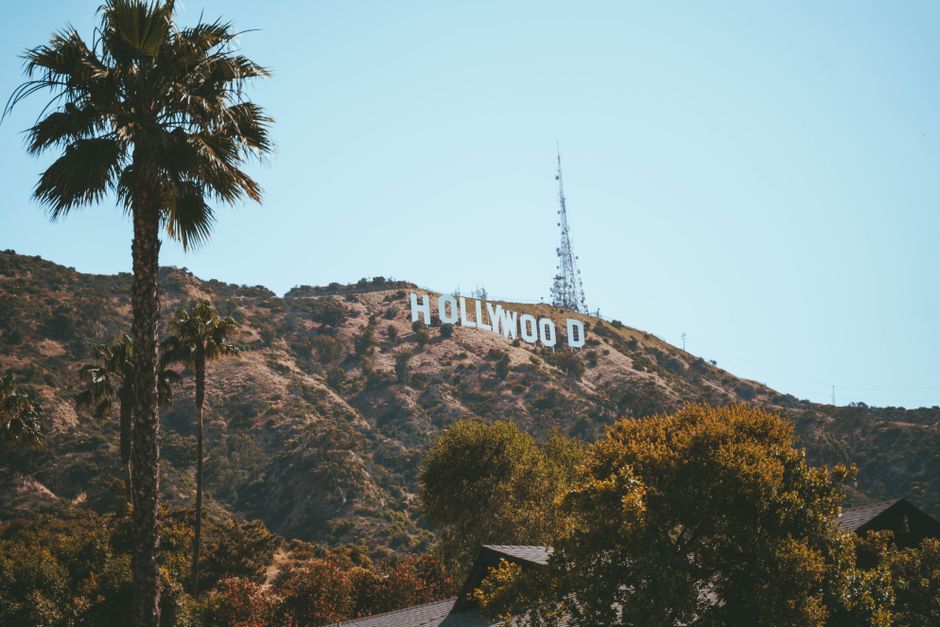
When Dr. Elena Vasquez launched her mobility-focused wellness program at the Rusnak Wellness Center in West Hollywood in 2024, she expected modest uptake. Instead, the 60-plus demographic filled her classes within weeks. "What we're seeing in Los Angeles is a fundamental shift," Vasquez explained during a recent conversation about aging and movement. "Seniors here aren't thinking about staying still—they're thinking about staying capable."
Los Angeles has long been a bellwether for wellness trends, from juice bar culture to boutique fitness. But the city's approach to senior mobility represents something distinctly local: a blend of California's fitness obsession with the genuine needs of a rapidly aging population. According to the Los Angeles Department of Aging, adults 65 and older represent 15.2% of the city's population—a figure expected to reach 18% by 2030. Unlike global wellness markets that have historically treated aging as a decline to manage, LA's approach treats it as a phase requiring proactive movement strategies.
The numbers tell a compelling story. Local studios and community centers from Silverlake to Long Beach report that senior-focused mobility classes—including tai chi, aquatic fitness, and low-impact strength training—have grown 34% since 2023. Meanwhile, global markets like Europe and Japan, which pioneered many senior wellness concepts, are seeing slower adoption rates in comparable demographics. "LA's sunshine and outdoor culture accelerated what took years elsewhere," said Marcus Chen, a gerontological fitness specialist based in Silver Lake.
Beach communities from Santa Monica to Malibu have become informal hubs for this movement. Early morning beach walks, paddleboarding classes tailored for 65-plus participants, and cycling groups starting near the Santa Monica Pier reflect a lifestyle approach that goes beyond traditional physical therapy. The Griffith Park Neighborhood Council documented a 41% increase in visitors over 60 since 2023, many participating in structured trail groups designed for sustainable hiking.
Yet accessibility remains uneven. While affluent neighborhoods like Brentwood and Pacific Palisades have premium mobility studios charging $180-220 per month, community centers in South LA and Northeast LA offer comparable classes for $25-40. The city's Department of Recreation and Parks has responded by expanding its senior mobility programming, but demand still outpaces supply in underserved areas.
Global wellness markets are watching LA's model closely. The emphasis on social connection, outdoor access, and accessible pricing—rather than luxury-focused aging—suggests a framework that could reshape senior wellness worldwide. For Los Angeles seniors, the message is clear: aging here means moving more, not less.
This article was compiled by AI from the sources linked above and screened before publishing. See our editorial standards.