Running LA's Top Trails: Evidence-Based Tips That Actually Work for Local Conditions
From coastal humidity to summer heat and uneven terrain, here's how to train smarter on Santa Monica's beaches, Griffith Park's ridge lines, and beyond.
From coastal humidity to summer heat and uneven terrain, here's how to train smarter on Santa Monica's beaches, Griffith Park's ridge lines, and beyond.
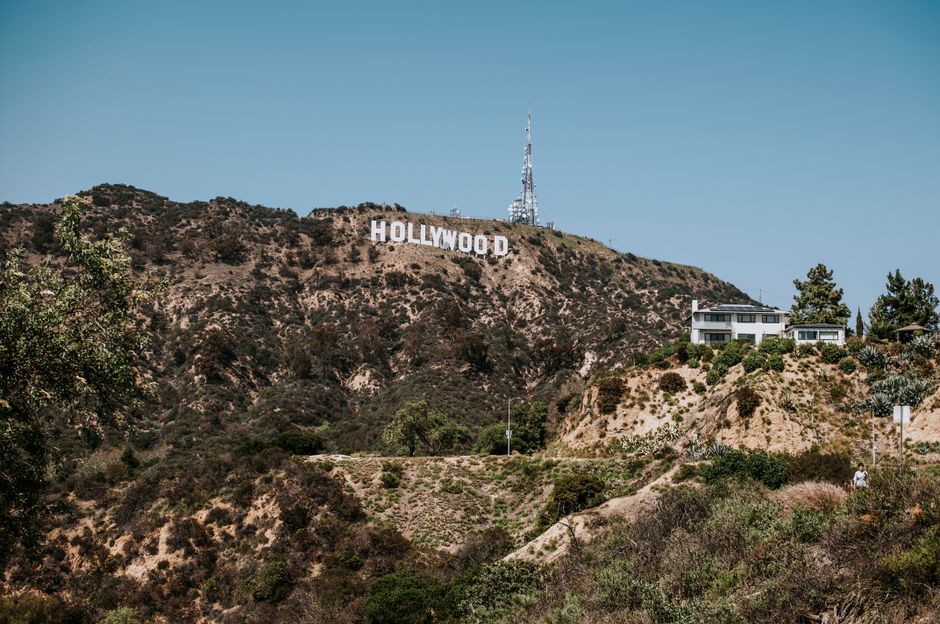
Los Angeles runners face a unique set of environmental challenges—and opportunities. The region's year-round mild climate attracts trail enthusiasts, but coastal salt air, mid-summer heat spikes, and variable terrain demand a strategic approach backed by exercise science.
Start with hydration timing. Research from the American College of Sports Medicine shows that pre-hydrating 2–3 hours before running, then sipping 100–200 milliliters of fluid every 15–20 minutes during effort, prevents the dehydration that commonly derails LA runners tackling Griffith Park's exposed fire roads or the exposed sections of the Backbone Trail in Malibu. The park's elevation gain—reaching 1,625 feet at Mount Hollywood—creates physiological demands that flat coastal runs don't. Adjust expectations accordingly on your first attempt.
Terrain variability is another critical factor. Santa Monica's beach runs offer natural cushioning that reduces joint impact by up to 40% compared to asphalt, according to biomechanics studies. However, soft sand demands 1.6 times more energy expenditure than firm ground. If you're training along the Strand between Santa Monica and Manhattan Beach, alternate between packed sand near the waterline and softer sections to build strength without overuse injury. The broader principle: progressive exposure to varied surfaces builds resilience.
Temperature regulation matters significantly here. Summer morning runs—starting before 7 a.m.—can reduce core temperature strain by 3–5 degrees Fahrenheit compared to midday efforts. Silverlake and Los Feliz neighborhoods offer tree-covered residential loops that provide natural cooling; Griffith Park's northern trails near Vermont Canyon Road stay shadier longer. Plan accordingly, and avoid peak heat hours entirely from June through August.
Local running groups and organizations like the Los Angeles Running Club and various Strava segments provide real-time data on trail conditions, seasonal closures, and crowd patterns. Checking these resources before heading to popular spots like Runyon Canyon—which sees 3,000+ daily visitors—helps you time visits during less congested windows and avoid bottlenecks that disrupt pacing.
Finally, embrace LA's accessibility advantage. Unlike many regions, local running stores in Santa Monica and Silver Lake offer gait analysis and shoe fitting services that account for regional biomechanical patterns—crucial since coastal running creates different foot-strike demands than inland trails. A 20-minute assessment costs $50–75 and can prevent months of inefficiency.
The evidence is clear: intentional preparation beats willpower. Know your terrain, hydrate systematically, respect the heat, and leverage local expertise. That's how LA's best runners—recreational and serious alike—stay strong year-round.
This article was compiled by AI from the sources linked above and screened before publishing. See our editorial standards.
How does this story make you feel?
Spread the word
About this article
Published by The Daily Los Angeles
Daily brief
Free, in your inbox before 7am. Weekdays.
More in Wellness