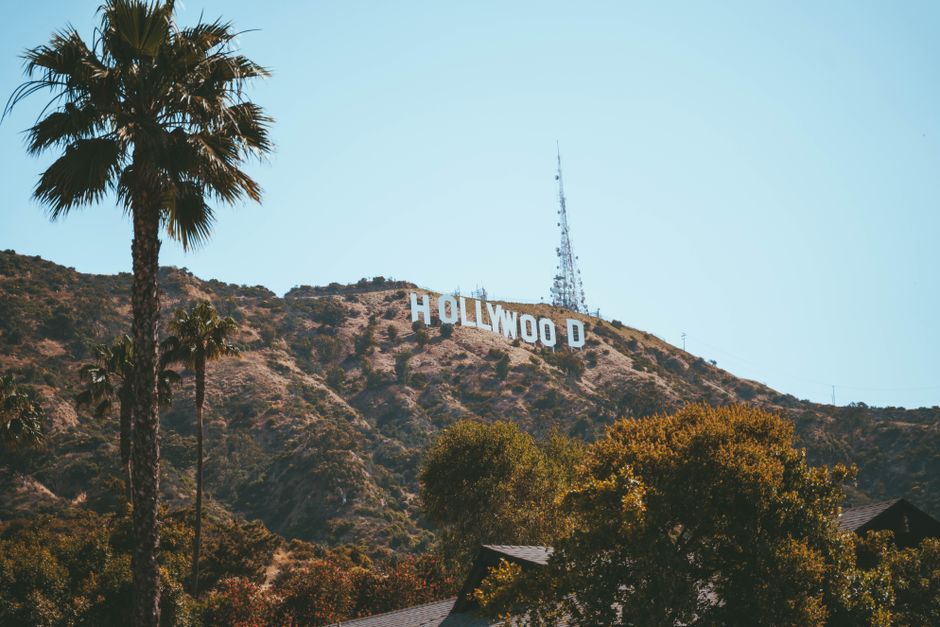
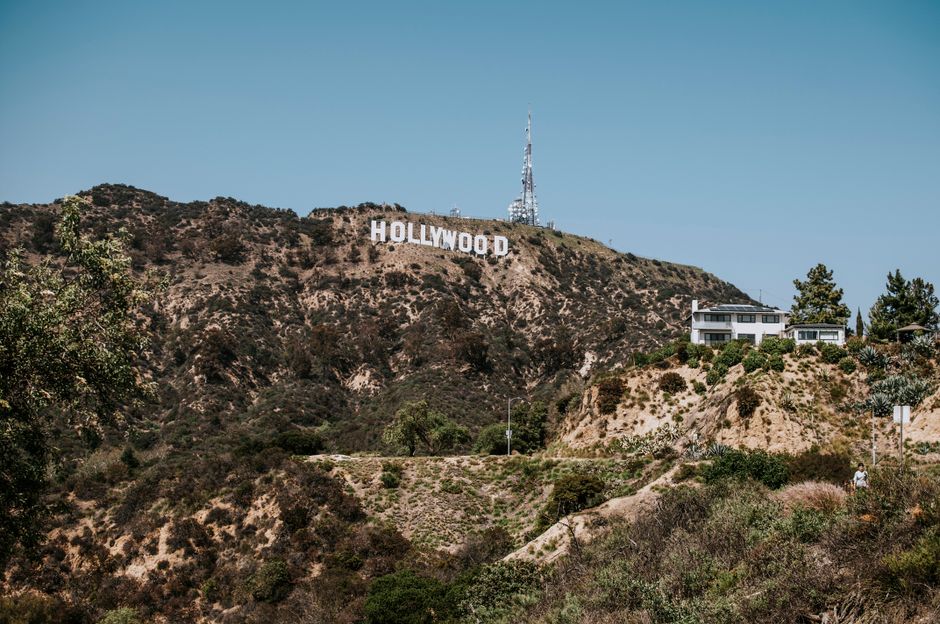
When global fitness tracking platforms released their 2025 wellness reports, outdoor running claimed the top spot in 73 countries—but Los Angeles has been perfecting this trend for decades. From the Santa Monica Pier to the Hollywood Sign trails above Los Feliz, LA's outdoor running culture doesn't just follow the global wellness movement; it defines it.
Griffith Park, with its 4,210 acres crisscrossed by 53 miles of trails, has become emblematic of how Los Angeles approaches exercise differently than urban centers worldwide. While global cities like London and Berlin have seen 40% increases in outdoor fitness participation since 2023, LA's running community has remained remarkably consistent—not because trends haven't shifted, but because running outdoors was never a trend here.
The Pacific Coast Highway corridor from Malibu to Santa Monica typifies this distinction. International wellness reports celebrate 'nature-integrated fitness' as an emerging concept, yet LA runners have commuted between Temescal Canyon and Will Rogers State Park for generations. Local running clubs like the Griffith Park Runners and beach-focused groups along Zuma Beach operate with a casual ethos that contrasts sharply with the structured, app-optimized running movements dominating European fitness markets.
Data from LA Department of Recreation shows that trail usage across city parks increased 18% in 2024—notable, but modest compared to global averages. Industry analysts suggest this reflects saturation rather than slowdown: LA's running infrastructure already accommodates demand. A typical Saturday morning sees hundreds of runners tackling the Fire Road Loop in Griffith Park or the bluffs trail above Carbon Beach, with no visible crowding comparable to Central Park or Munich's English Gardens.
Price points reveal another local distinction. While global boutique fitness brands charge $25–35 per class, LA's outdoor running community remains grassroots. Most trails are free; running groups operate donation-based models. The running store ecosystem—from Fleet Feet locations in Silver Lake to Runner's Den in Long Beach—emphasizes community over corporate infrastructure.
The global wellness industry's recent pivot toward 'solitary outdoor movement' mirrors what Los Angeles already practices: meditative, self-directed exercise that doesn't require membership fees or performance metrics. Yet as international cities market nature-based fitness as wellness innovation, LA's runners understand an older truth—that running beneath the Hollywood Hills or along the Malibu coastline has always been both fitness and therapy.
As summer 2026 approaches, Los Angeles running culture remains distinctly local while the world catches up to principles the city has lived by for fifty years.
This article was compiled by AI from the sources linked above and screened before publishing. See our editorial standards.