LA's Green Energy Boom Masks a Troubling Reality: Who Pays the Price?
As Los Angeles accelerates its shift toward renewable power, workers, low-income communities, and supply chain ethics are being left behind.
As Los Angeles accelerates its shift toward renewable power, workers, low-income communities, and supply chain ethics are being left behind.
Listen to this article · 3:37
Los Angeles has positioned itself as a climate leader. The city's commitment to 100 percent renewable electricity by 2035 has drawn billions in venture capital to the Playa Vista tech corridor and sparked solar panel installations across Santa Monica and the San Fernando Valley. Yet beneath the glossy sustainability narrative lies a far messier truth: the green energy transition is amplifying existing inequalities while creating new ethical blind spots.
Consider the labor question. Solar installation jobs in Los Angeles now pay an average of $28 per hour, according to recent workforce data—significantly below the living wage calculated for the region. Workers, many of them Latino immigrants in neighborhoods like Boyle Heights and East LA, bear the physical risks of rooftop installation while seeing minimal long-term career advancement. Meanwhile, venture capitalists and executives in the climate tech sector have generated extraordinary wealth. The disconnect is stark.
Then there's the lithium problem. California's Salton Sea region, already economically disadvantaged, has become ground zero for lithium extraction to feed LA's growing demand for battery storage and electric vehicles. The environmental and health costs—contaminated groundwater, toxic brine waste—disproportionately affect working-class communities in Imperial County. These trade-offs are rarely discussed at clean energy conferences held in Downtown LA's gleaming office towers.
The supply chain remains murky. Most solar panels sold in Southern California contain materials sourced from mines in the Democratic Republic of Congo and Indonesia, where labor standards and environmental protections are minimal. Companies headquartered in Beverly Hills and Santa Monica benefit from cheap raw materials extracted under questionable conditions thousands of miles away. Transparency is limited; accountability is minimal.
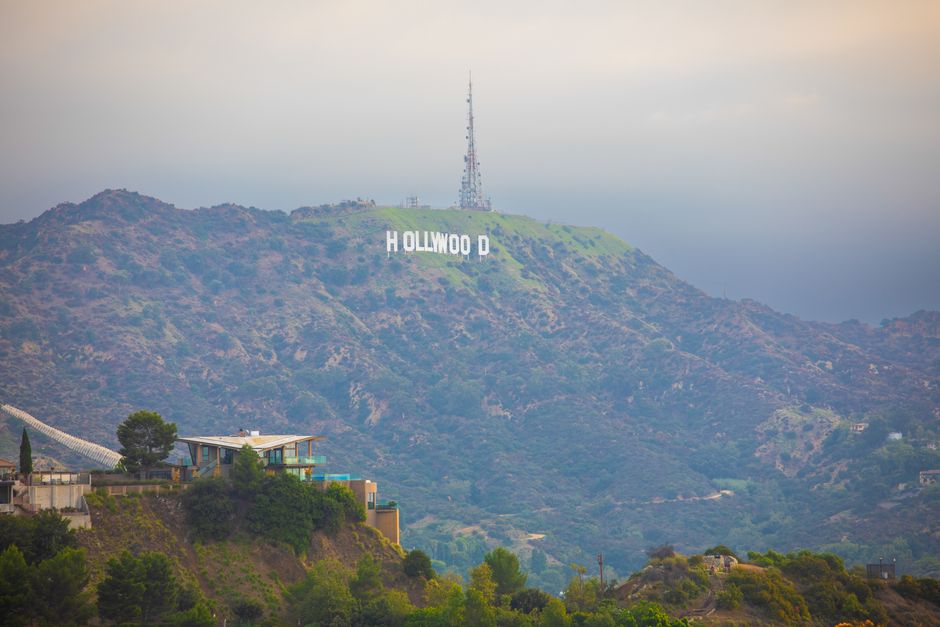
Even LA's rooftop solar boom carries hidden costs. Rapid installation has created a glut of cheap, poorly installed systems that fail within a decade. Homeowners in affluent areas like the Hollywood Hills can absorb losses; renters and working families cannot. The supposed democratization of clean energy has instead widened the wealth gap.
None of this invalidates the urgency of climate action. But Los Angeles—a city that claims moral leadership on sustainability—must confront an uncomfortable truth: the green energy transition, as currently structured, reproduces many of the injustices it purports to remedy. Until wages improve, supply chains are transparent, and the costs are equitably distributed, LA's renewable energy future will remain built on the backs of those least able to afford it.
This article was compiled by AI and screened before publishing. See our editorial standards.
How does this story make you feel?
Spread the word
About this article
Published by The Daily Los Angeles
Daily brief
Free, in your inbox before 7am. Weekdays.
More in tech


