Los Angeles Attracts $2.8B in Smart City Tech Investment
From Downtown's traffic sensors to Santa Monica's digital infrastructure, venture capital is flooding Los Angeles as tech firms bet big on the future of urban technology.
From Downtown's traffic sensors to Santa Monica's digital infrastructure, venture capital is flooding Los Angeles as tech firms bet big on the future of urban technology.
Listen to this article · 3:57
Los Angeles is experiencing a quiet but significant shift in how venture capitalists and institutional investors view city infrastructure. Over the past eighteen months, smart city technology firms have raised $2.8 billion in funding targeting California's second-largest metropolitan area, according to data from the Regional Economic Development Council. That figure represents a 340 percent increase compared to the same period three years ago.
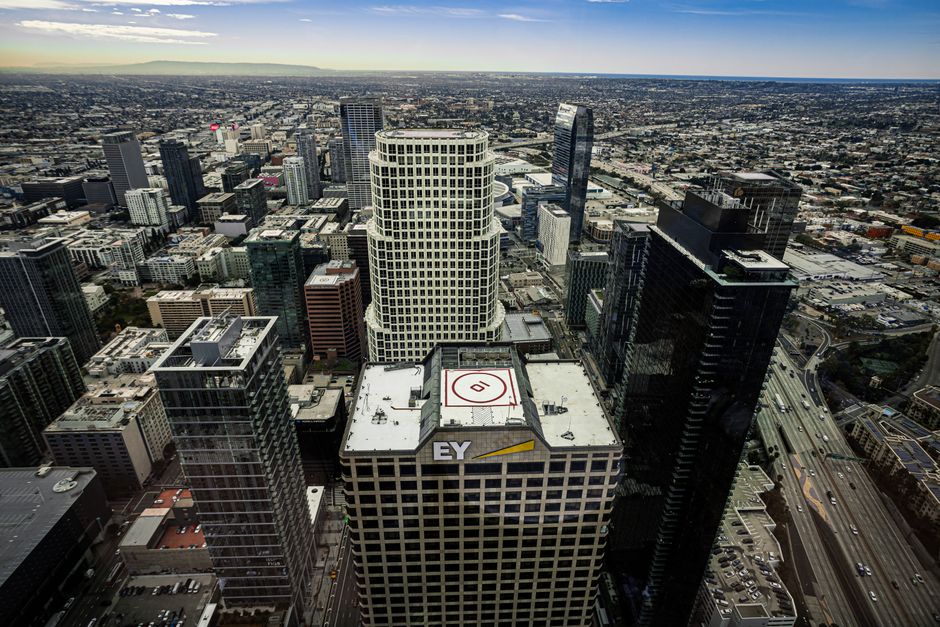
The momentum reflects a broader recognition among investors that Los Angeles—a sprawling city of 3.9 million people perpetually battling traffic congestion, aging water systems, and uneven public services—represents an ideal proving ground for digital transformation technologies. Downtown Los Angeles alone has become a testing ground for smart traffic management systems, with multiple firms installing adaptive signal networks along major corridors including Figueroa Street and Olympic Boulevard.
"Cities like Los Angeles have real, urgent problems," explains Marcus Chen, managing director at Westwood-based venture fund CityTech Ventures, which has deployed over $340 million into govtech startups since 2024. "The ROI narrative is compelling: reduce traffic delays by 15 percent, cut water waste by 20 percent, and suddenly you're looking at hundreds of millions in annual savings."
The Santa Monica-based innovation district has become a particular hotspot for this activity. The city's early adoption of IoT sensors for parking management and pedestrian flow monitoring attracted Series B and C funding rounds from major players including Sequoia Capital and Andreessen Horowitz. Just last quarter, a Santa Monica traffic analytics startup closed a $95 million Series C round.
City Hall itself has noticed the investment surge. The Los Angeles Department of Transportation launched a formal smart corridor pilot program in 2025, with funding support from three separate venture firms. Similarly, the LA Water Department has partnered with three govtech companies to develop real-time leak detection systems across the sprawling network serving Koreatown, Echo Park, and the San Fernando Valley.
Investors point to favorable regulatory conditions as a major draw. California's progressive stance on data privacy and AI governance, while restrictive in some sectors, has actually accelerated trust in govtech applications. Meanwhile, the city's chronic infrastructure challenges—and corresponding municipal budget pressures—create urgent demand for efficiency solutions.
The challenge ahead remains execution. Several high-profile smart city projects in other major cities have stumbled due to implementation complexity and municipal bureaucracy. For Los Angeles, success will depend on whether this wave of capital translates into tangible improvements for residents navigating the city's famously congested streets and aging systems.
This article was compiled by AI and screened before publishing. See our editorial standards.
How does this story make you feel?
Spread the word
About this article
Published by The Daily Los Angeles
Daily brief
Free, in your inbox before 7am. Weekdays.
More in tech