Los Angeles' Next Green Wave: What Clean Energy Innovators Are Building in 2026 and Beyond
From Venice Beach labs to downtown startup hubs, a new generation of sustainability products is reshaping how the city powers itself.
From Venice Beach labs to downtown startup hubs, a new generation of sustainability products is reshaping how the city powers itself.
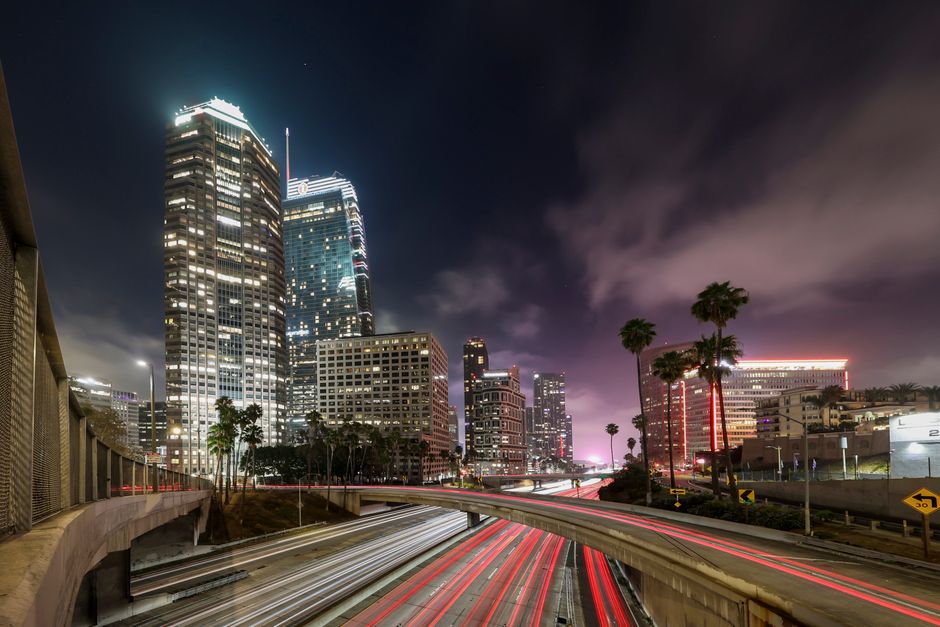
Silicon Beach isn't just about apps anymore. Along the Venice Boulevard corridor and throughout the Arts District, clean energy startups are racing to deploy technologies that could reshape Los Angeles' power infrastructure by 2030. The timeline matters: California's grid demands 60% of electricity from renewables by 2030, and local innovators are betting their next-generation products will help get us there.
At the USC Viterbi School of Engineering and CalTech's Pasadena campus, researchers are finalizing prototypes for next-generation battery storage systems that promise to cut costs by 40% compared to lithium-ion technology. These solid-state batteries, expected to hit commercial production in late 2026, could transform how LA's distributed solar panels store energy. For homeowners across Silver Lake and Los Feliz, where residential solar adoption has already reached 18%, this means cheaper home battery systems and genuinely affordable grid independence.
Downtown's burgeoning CleanTech Corridor—anchored around the Innovation Hub near the Arts District—is buzzing with ventures focused on industrial decarbonization. Three companies launching pilot programs this summer are targeting cement production and food manufacturing, two sectors responsible for roughly 35% of LA County's industrial emissions. Their modular electrification systems could retrofit existing factories without complete shutdowns, a major economic advantage for manufacturers already straining under California's strict emissions regulations.
The transportation sector shows similar momentum. Beyond Tesla's established Fremont operations, emerging firms are developing ultra-efficient hydrogen fuel cell systems specifically designed for heavy-duty trucks moving goods through the Port of Los Angeles. Two startups expect to deploy 150 hydrogen-powered trucks on I-10 corridors by Q1 2027—a meaningful step toward the state's goal of eliminating diesel-powered heavy vehicles by 2035.
Perhaps most intriguingly, a network of ventures is tackling hyperlocal energy. Distributed microgrid projects in Koreatown and along the Wilshire Corridor will allow neighborhood-scale energy generation and storage, reducing dependence on aging transmission infrastructure. These 2-3 year deployments could offer a blueprint for urban resilience that other American cities are watching closely.
The investment follows the money: venture capital flowing into Los Angeles clean energy startups reached $2.3 billion last year, nearly double 2024 levels. With California's regulatory environment tightening and electricity demand growing, these companies aren't just chasing subsidies—they're solving real infrastructure problems on an accelerating timeline.
This article was compiled by AI from the sources linked above and screened before publishing. See our editorial standards.
How does this story make you feel?
Spread the word
About this article
Published by The Daily Los Angeles
Daily brief
Free, in your inbox before 7am. Weekdays.
More in tech