LA's Smart City Startups Are Racing to Solve Real Urban Problems Right Now
From traffic congestion to water management, a new wave of govtech companies operating in Los Angeles are building solutions that city officials are actually buying.
From traffic congestion to water management, a new wave of govtech companies operating in Los Angeles are building solutions that city officials are actually buying.
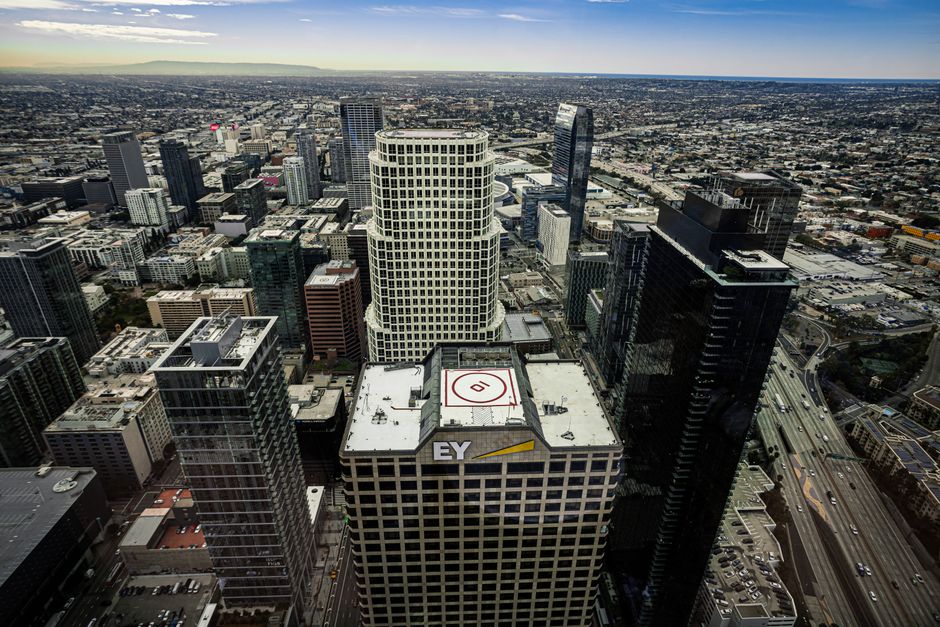
The parking lot outside a nondescript office building on Wilshire Boulevard in Koreatown has become an unlikely hub for Los Angeles' emerging smart city movement. Inside, a dozen govtech startups are quietly reshaping how the city manages everything from street flooding to traffic flow—and they're doing it with real municipal contracts, not just venture capital hopes.
"We're past the conceptual phase," said one entrepreneur operating in the space, reflecting a broader shift in LA's startup ecosystem. "City Hall is actually deploying our tools now." The Los Angeles Department of Transportation alone has invested in at least three traffic prediction platforms this year, allocating roughly $4.2 million toward AI-driven congestion modeling as commute times hit an average of 48 minutes during peak hours.
The momentum is tangible. WeWork locations across Downtown LA and Santa Monica have become makeshift collaboration zones where municipal technology teams work alongside startup engineers. Startup accelerators focused exclusively on civic tech have emerged, with programs in the Arts District offering subsidized workspace and direct introductions to city procurement officials. One incubator alone has shepherded seven companies into active pilot programs with city departments since January.
Water management represents the most urgent opportunity. With California's ongoing drought and LA's aging water infrastructure, startups are deploying IoT sensors across neighborhoods from Silver Lake to Long Beach, monitoring everything from main breaks to illegal irrigation. The Department of Water and Power has green-lit at least four separate pilot projects, with contracts valued between $150,000 and $800,000 each.
Yet challenges remain. "Bureaucratic procurement timelines can kill momentum," acknowledged multiple founders operating in the space. City approval processes still move in months-long cycles, and legacy IT systems create integration headaches. Several promising startups that launched with LA-specific solutions have pivoted toward other cities with faster decision-making structures.
The broader picture is compelling: LA's sprawling geography, aging infrastructure, and 4 million residents create real-world testing grounds that venture capitalists find increasingly attractive. Crunchbase data shows govtech investment in Southern California has tripled since 2023, with most capital flowing toward companies with active LA municipal contracts rather than theoretical applications.
By late 2026, the city is expected to announce a formal "Smart LA" initiative that will coordinate municipal tech procurement and create standardized procurement pathways. For the startups already embedded in city departments—running pilots in Koreatown, Downtown, and across the Valley—the timing couldn't be better.
This article was compiled by AI from the sources linked above and screened before publishing. See our editorial standards.
How does this story make you feel?
Spread the word
About this article
Published by The Daily Los Angeles
Daily brief
Free, in your inbox before 7am. Weekdays.
More in tech