Why Los Angeles Is Becoming the World's Most Privacy-Conscious Tech Hub
From entertainment studios to aerospace firms, LA's unique blend of legacy industries and startup culture is reshaping global cybersecurity standards.
From entertainment studios to aerospace firms, LA's unique blend of legacy industries and startup culture is reshaping global cybersecurity standards.
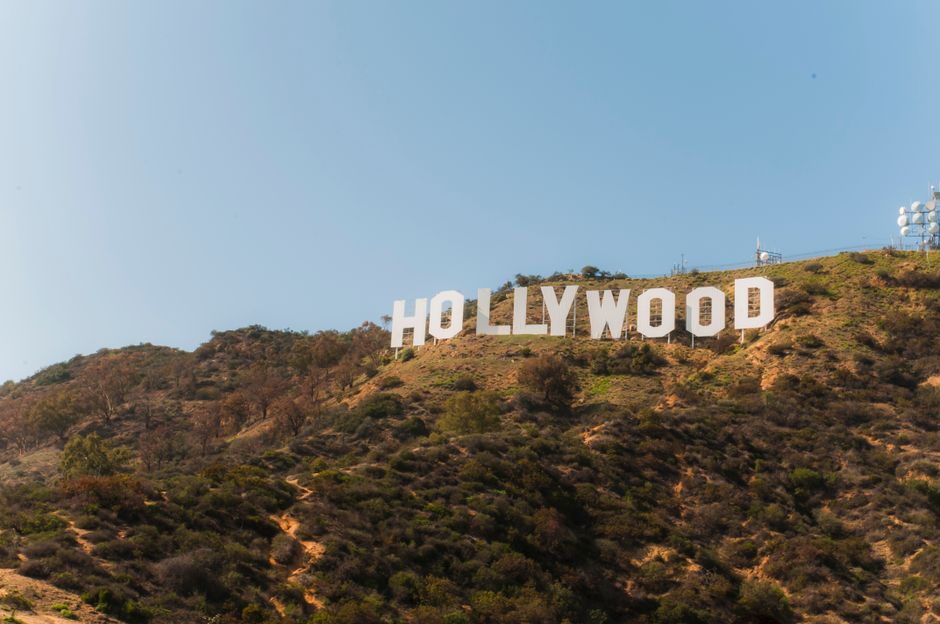
Los Angeles has long been synonymous with entertainment and aerospace—two industries where protecting proprietary information isn't optional, it's existential. Today, that defensive posture is transforming the city into an unexpected global leader in privacy-by-design technology, distinguishing it from Silicon Valley's move-fast-and-break-things ethos.
The difference is structural. While San Francisco's tech ecosystem emerged from a startup culture that treated data as fuel, LA's tech scene developed alongside industries where security breaches could cost millions. Studios in the Burbank corridor have spent decades protecting unreleased films and scripts. Aerospace contractors along the Sepulveda Basin safeguard defense contracts. That institutional paranoia—now channeled productively—has created a distinctive cybersecurity competency.
"LA has always been about controlling narratives," explains the culture surrounding companies now clustered in Santa Monica's tech corridor and along the Wilshire Boulevard innovation belt. Firms like Signal, which relocated engineers here, benefit from a talent pool that understands threat modeling the way other cities understand growth hacking.
The numbers reflect this shift. According to recent industry surveys, cybersecurity job postings in Los Angeles County grew 34% year-over-year, with median salaries reaching $165,000—above national averages. Venture capital funding for privacy-focused startups headquartered in LA reached $847 million in 2025, nearly doubling from 2023.
This isn't accident. The Entertainment Software Association, headquartered in Los Angeles, has spent two decades establishing data protection standards that the broader tech industry now adopts. When Hollywood studios demanded encryption-first development practices from vendors, they were essentially prototyping what would become industry standard.
The ecosystem's distinctiveness also reflects demographic and legal reality. LA hosts the largest entertainment diaspora globally—creators, producers, and executives who understand intellectual property warfare intimately. California's strict privacy laws, including the California Privacy Rights Act, have made LA-based companies natural laboratories for compliance technology.
Downtown LA's Arts District and the Playa Vista tech corridor have become unlikely magnets for security researchers building tools for creators and small businesses—populations Hollywood-adjacent companies understand intimately. This has created a market for privacy tools designed for actual humans rather than abstract users.
The result is a cybersecurity ecosystem that prioritizes usability alongside encryption, transparency alongside security, and long-term trust over quarterly growth metrics. It's not Silicon Valley. It's something Los Angeles is building distinctly its own.
This article was compiled by AI from the sources linked above and screened before publishing. See our editorial standards.
How does this story make you feel?
Spread the word
About this article
Published by The Daily Los Angeles
Daily brief
Free, in your inbox before 7am. Weekdays.
More in tech