LA's Remote Work Revolution: How Coworking Is Reshaping Daily Life for Angelenos
As tech workers ditch lengthy commutes on the 405, a new ecosystem of flexible workspaces is quietly transforming neighborhoods from Silver Lake to Santa Monica.
As tech workers ditch lengthy commutes on the 405, a new ecosystem of flexible workspaces is quietly transforming neighborhoods from Silver Lake to Santa Monica.
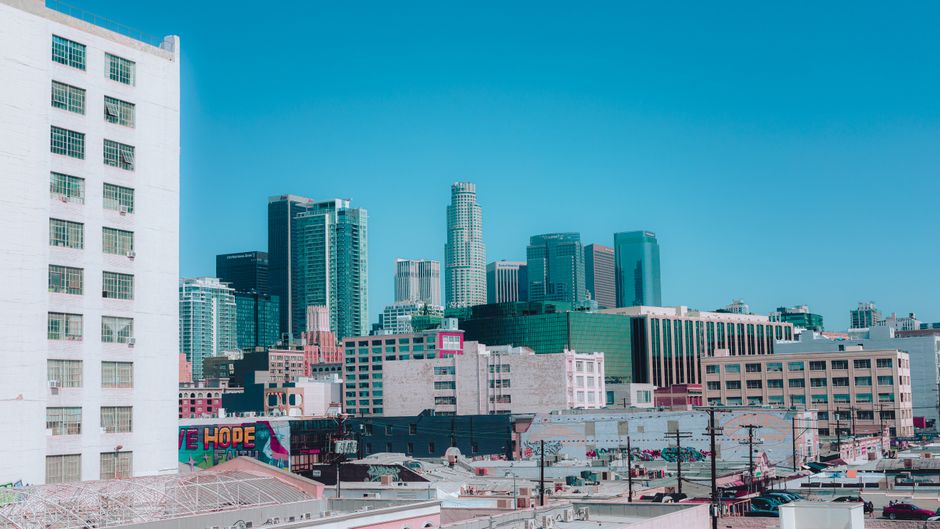
Maria Chen used to spend three hours a day commuting from her Echo Park apartment to an office in Burbank. Now, she walks fifteen minutes to a coworking space on Sunset Boulevard and saves $400 monthly on gas and wear-and-tear. She's one of thousands of Angelenos reshaping how work happens in Los Angeles—and fundamentally changing the rhythm of daily life across the city.
The shift has been dramatic. According to a 2025 survey by the Southern California Technology Council, 58% of LA tech workers now split their time between home and shared workspaces, up from just 22% in 2020. This transformation is rippling through neighborhoods in unexpected ways. Silver Lake, long dominated by creative freelancers, has seen boutique coworking memberships climb 34% since 2023. Downtown LA's Arts District has attracted three major flexible-workspace operators in the past eighteen months alone, breathing new economic life into historically underutilized commercial districts.
The ripple effects extend far beyond real estate. Local coffee shops in Playa Vista and Culver City report that remote workers now comprise 40-50% of their daytime customers, a critical revenue stream. Transit patterns have shifted too: the Metro reports a notable decline in peak-hour congestion on regional lines, with more workers timing commutes to avoid rush hour entirely.
But the phenomenon reveals deeper changes in how Angelenos experience their city. Natalie Rodriguez, who manages a network of five coworking locations across LA, observes that members increasingly treat workspaces as community anchors. "People aren't just renting a desk," she notes. "They're joining neighborhoods." Monthly memberships typically range from $299 for hot desks in shared spaces to $699 for private offices, making flexible work accessible to mid-career professionals previously locked into traditional employment structures.
The technology enabling this shift—high-bandwidth cloud infrastructure, collaboration software, and reliable high-speed internet—has fundamentally democratized where work can happen. A graphic designer in Long Beach can now collaborate seamlessly with colleagues in Westwood without the psychological and financial toll of a daily drive across sprawling Los Angeles County.
As companies continue normalizing hybrid arrangements, real estate developers are betting heavily on this trend. Several mixed-use projects under construction in Koreatown and near Union Station explicitly integrate coworking into their designs, signaling that flexible workspace isn't a pandemic-era anomaly but a permanent shift in how Los Angeles works. For residents tired of gridlock and corporate monotony, it represents nothing less than reclaiming their time—and their neighborhoods.
This article was compiled by AI from the sources linked above and screened before publishing. See our editorial standards.
How does this story make you feel?
Spread the word
About this article
Published by The Daily Los Angeles
Daily brief
Free, in your inbox before 7am. Weekdays.
More in tech