Why Los Angeles' Tech Ecosystem Stands Apart in a World of Silicon Clones
From Playa Vista to Downtown, LA's venture capital scene thrives on something the Valley can't replicate: deep roots in entertainment, aerospace, and real-world manufacturing.
From Playa Vista to Downtown, LA's venture capital scene thrives on something the Valley can't replicate: deep roots in entertainment, aerospace, and real-world manufacturing.
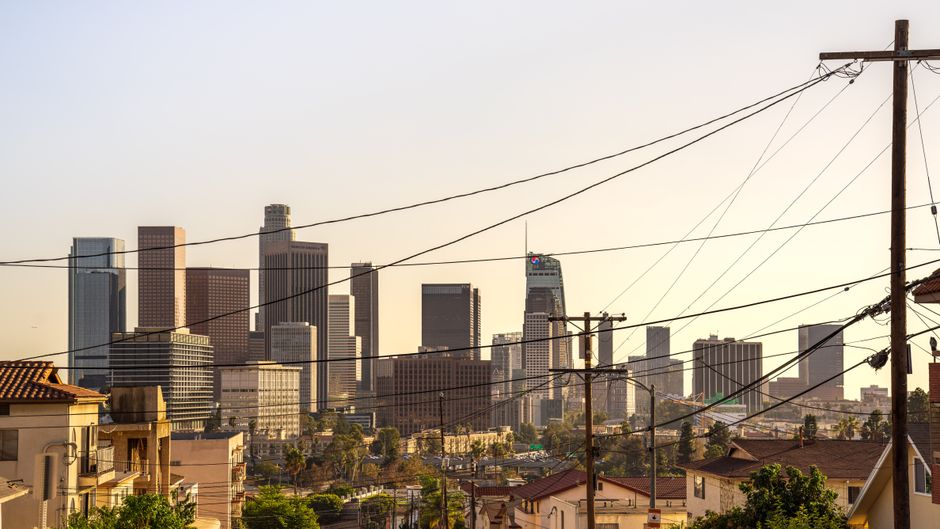
Walk into any WeWork on Wilshire Boulevard and you'll hear the same pitch repeated across a hundred startup pitches: software solutions, AI applications, digital platforms. But Los Angeles' venture capital ecosystem has carved out something genuinely different from the rest of the world's tech hubs—and it's proving increasingly valuable.
The distinction starts with geography and history. While Silicon Valley built itself on semiconductor fabrication and software, Los Angeles developed its tech scene atop three pillars: entertainment technology, aerospace engineering, and consumer hardware manufacturing. That foundation creates a fundamentally different startup ecosystem. A founder building a streaming platform in Santa Monica benefits from decades of proximity to Warner Bros., Netflix engineers, and industry infrastructure. An aerospace-tech startup in El Segundo inherits institutional knowledge from SpaceX, Northrop Grumman, and The Aerospace Corporation.
The numbers reflect this diversity. According to PitchBook's 2026 analysis, LA-area startups attracted $8.3 billion in venture funding last year, with notable concentration in deep tech (23%), entertainment tech (18%), and hardware (15%)—a distribution markedly different from most global hubs. Compare that to Silicon Valley's software-heavy 34% concentration, and the difference becomes clear.
Real estate economics amplify this advantage. While a modest office in Palo Alto costs $85 per square foot annually, comparable space in Playa Vista runs $55—a 35% savings that matters enormously for hardware-heavy startups requiring manufacturing partnerships. That differential has attracted a wave of robotics and autonomous vehicle companies to areas around Culver City and Santa Monica, creating their own subclusters.
Perhaps most distinctively, LA's ecosystem benefits from what venture capitalists quietly call the "optionality factor." A founder struggling in one sector can pivot more readily here. A failed gaming startup can pivot toward filmmaking tools. A hardware play can become a content studio. The proximity to major entertainment studios, theme parks, and production facilities creates exit opportunities and pivot paths largely unavailable elsewhere.
The institutional infrastructure supports this. Venture firms like Lerer Hippeau and Greycroft maintain significant LA operations specifically because they've recognized this ecosystem's unique character. Meanwhile, local accelerators like Launchpad LA and startup spaces across Arts District and Downtown increasingly focus on hardware and deep tech, not incremental software plays.
As global competition for venture capital intensifies, Los Angeles' distinctive ecosystem—rooted in real-world creation rather than abstract software—may prove its most sustainable competitive advantage. It's not trying to be the next Silicon Valley. That's precisely why it's becoming something more valuable.
This article was compiled by AI from the sources linked above and screened before publishing. See our editorial standards.
How does this story make you feel?
Spread the word
About this article
Published by The Daily Los Angeles
Daily brief
Free, in your inbox before 7am. Weekdays.
More in tech