LA's Tech Scene Pivots: Where Innovation Happens in Mid-2026
From Playa Vista to Downtown, Los Angeles startups are reshaping their strategies as venture capital tightens and founders chase sustainable growth over hype.
From Playa Vista to Downtown, Los Angeles startups are reshaping their strategies as venture capital tightens and founders chase sustainable growth over hype.
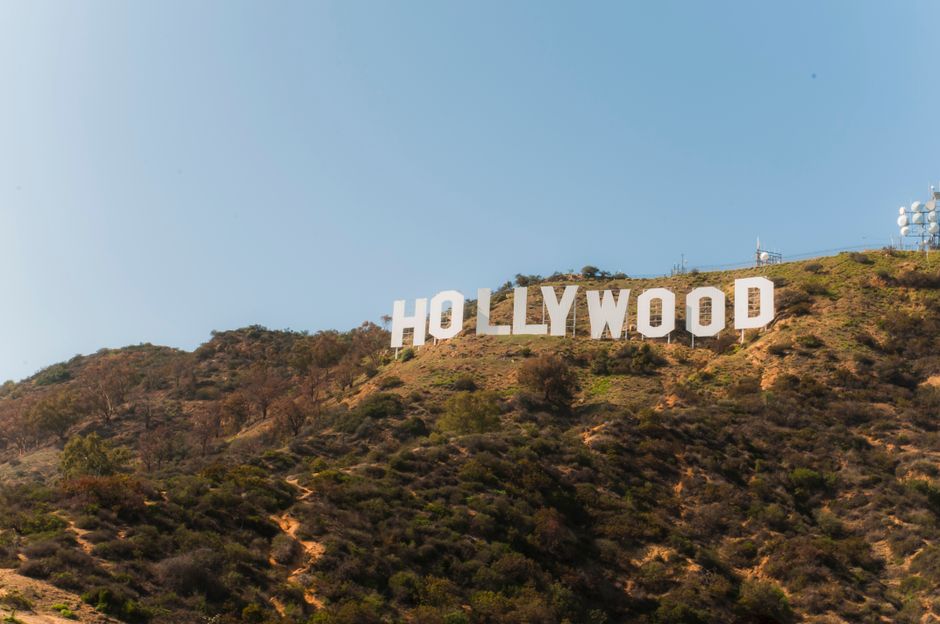
Los Angeles's technology sector is entering a period of deliberate recalibration. After years of explosive growth fueled by investor enthusiasm and remote-work migration, the city's startup ecosystem is now prioritizing operational efficiency and profitability over rapid scaling—a shift rippling across office parks in Playa Vista, Culver City, and the revitalized Downtown Arts District.
The numbers tell the story. According to recent data from local venture firms, LA-based startups raised approximately $3.2 billion across 287 deals in the first half of 2026, down from $4.1 billion in the same period last year. Yet founders and investors interviewed for this piece emphasize that the slowdown reflects maturation, not decline. "We're seeing companies with real unit economics getting funded," said one venture capitalist operating from a office tower near the 405 corridor in Westwood. "The days of funding every AI chatbot clone are over."
The shift is particularly visible in specific neighborhoods. Playa Vista's "Silicon Beach" continues hosting major tech operations, but mid-sized studios and engineering-focused startups are increasingly relocating to more affordable adjacent areas like Culver City and Mar Vista, where monthly office rent runs $35-45 per square foot versus $55-65 in premium locations. Meanwhile, Downtown Los Angeles is attracting founders building infrastructure and B2B software, drawn by lower costs and cultural amenities along Broadway and Spring Street.
One notable trend: biotech and climate-tech companies are gaining traction in collaboration with USC and UCLA research programs. Startups focusing on sustainable materials, battery technology, and medical devices are finding both talent and institutional support in these academic corridors—a sharp contrast to the consumer-app dominance of previous years.
Incubators and accelerators are also adapting. Programs like Plug and Play and local WeWork locations are adjusting their models, offering longer runways for founders but with stricter milestones. Meanwhile, networking events have migrated from crowded hotel ballrooms to more intimate venues in Silver Lake and Los Feliz, reflecting a desire for deeper professional connections over superficial networking.
Perhaps most significantly, LA's tech community is finally embracing what founders call "boring fundamentals"—sustainable burn rates, clear paths to revenue, and hiring discipline. After a decade of chasing growth at any cost, the city's innovation hub appears ready for a more grounded era. Whether that sustains the next generation of world-changing companies remains the essential question.
This article was compiled by AI from the sources linked above and screened before publishing. See our editorial standards.
How does this story make you feel?
Spread the word
About this article
Published by The Daily Los Angeles
Daily brief
Free, in your inbox before 7am. Weekdays.
More in tech