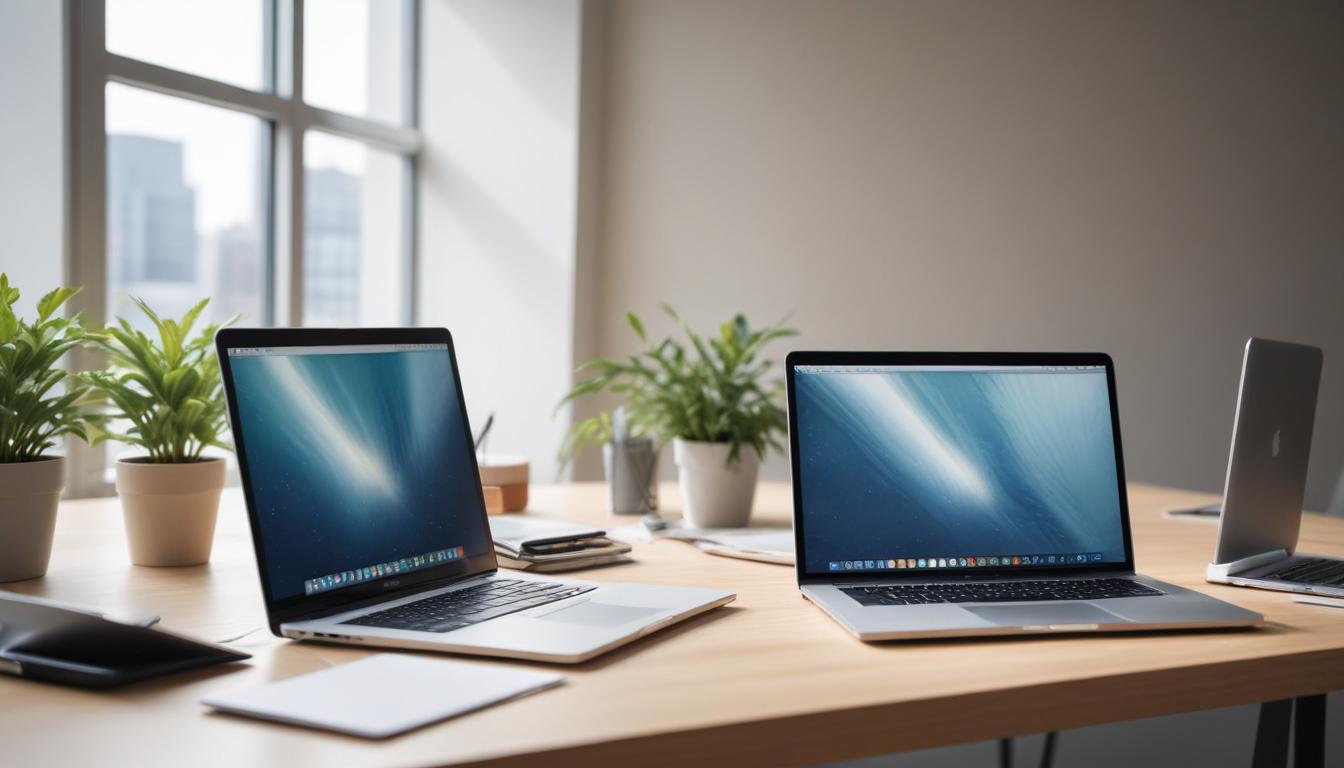
LA's Remote Work Revolution: How Coworking is Reshaping Where Angelenos Live and Work
From Silver Lake to Long Beach, flexible workspace technology is untethering locals from traditional commutes and rewriting the rules of urban living.
From Silver Lake to Long Beach, flexible workspace technology is untethering locals from traditional commutes and rewriting the rules of urban living.
For years, Los Angeles's notorious traffic forced workers into brutal daily choices: endure a two-hour commute or move closer to the office. But the rise of hybrid work and coworking spaces is fundamentally rewriting that calculus for thousands of Angelenos, fundamentally changing how they live, work, and navigate the sprawling metropolis.
The shift is unmistakable in neighborhoods once considered too far from downtown or coastal tech hubs. In Silver Lake and Los Feliz, longtime residents report that coworking memberships—typically running $200 to $400 monthly in LA's competitive market—have allowed them to work from neighborhood hotspots rather than commute to Santa Monica or Century City. The abundance of independent coffee shops with reliable WiFi, combined with dedicated coworking facilities, has created what some locals call "distributed office parks" throughout the city.
WeWork's significant presence across LA—with locations in Santa Monica, Downtown LA, and Playa Vista—initially dominated the conversation, but newer platforms and independent operators have fragmented the market. Spaces like Common in Koreatown and various micro-coworking setups in Pasadena now compete for the attention of freelancers, startup employees, and corporate remote workers seeking collaboration without the overhead.
The technology underpinning this shift extends beyond simple desk rental. Cloud-based collaboration tools, high-speed internet infrastructure improvements, and workplace management software have made genuine remote productivity feasible in ways that felt impossible just five years ago. For parents juggling childcare in neighborhoods like Eagle Rock or Culver City, a nearby coworking space eliminates the commute to LA's congested freeways.
Real estate data reflects the cultural shift. Some agents report that proximity to coworking facilities now ranks among the top three neighborhood amenities for prospective renters—alongside public transit and walkability. This is particularly pronounced in mid-city neighborhoods where young professionals once fled toward more established areas.
The environmental impact shouldn't be overlooked. Fewer daily car trips mean reduced emissions across a region perpetually battling air quality challenges. For a city of 3.9 million, even incremental reductions in commute traffic ripple outward.
Of course, challenges remain. The "always-on" culture of distributed work has raised concerns about burnout, and many workers miss the clear boundaries between home and office. Some coworking spaces have also struggled with sustainability after rapid expansion, with membership churn remaining a persistent issue.
Still, as LA continues its transformation from a car-dependent sprawl into a more distributed, connected metropolis, remote work technology is proving to be an unexpected equalizer—giving Angelenos in overlooked neighborhoods genuine alternatives to the morning commute.
This article was compiled by AI from the sources linked above and screened before publishing. See our editorial standards.
How does this story make you feel?
Spread the word
About this article
Published by The Daily Los Angeles
Daily brief
Free, in your inbox before 7am. Weekdays.
More in tech