LA's AI Gold Rush: The Promise Glitters, But Challenges and Ethical Questions Loom
As artificial intelligence reshapes everything from Santa Monica startups to Downtown employment, Los Angeles grapples with innovation's darker implications.
As artificial intelligence reshapes everything from Santa Monica startups to Downtown employment, Los Angeles grapples with innovation's darker implications.
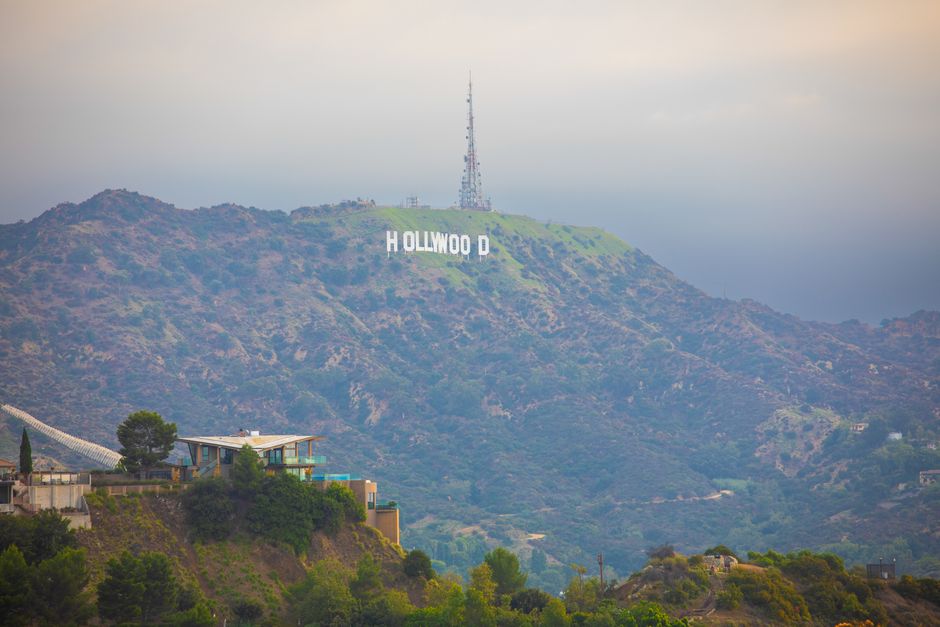
Walk through the gleaming office parks of Playa Vista or the converted warehouses of Arts District and you'll hear the same refrain: artificial intelligence is here, it's transforming business, and it's moving fast. Yet beneath the venture capital enthusiasm and the steady stream of job postings on Glassdoor, a more complicated story is unfolding across Los Angeles.
The numbers tell part of it. California hosts over 40 percent of the nation's AI companies, with a significant cluster operating in and around LA. Salaries for AI engineers in the region have climbed to $180,000-$220,000 base, according to recent recruiter surveys—pricing out mid-level talent and widening inequality in a city already battling housing costs exceeding $1.2 million for a median home in much of the Westside.
But the real friction points run deeper. Small business owners on Melrose Avenue and throughout the San Fernando Valley report growing anxiety about automation. A Los Angeles Chamber of Commerce survey this spring found that 62 percent of local retailers worry AI-driven customer service systems will eliminate entry-level positions that have traditionally provided pathways for young workers and immigrants. Meanwhile, wage theft complaints filed with California's Labor Commissioner have remained stubbornly high—and some enforcement advocates worry AI performance monitoring systems in warehouses and service centers could amplify surveillance and wage violations rather than prevent them.
The ethical questions aren't academic. Healthcare providers using AI diagnostic tools across LA's diverse population have documented concerning patterns: algorithms trained predominantly on certain demographics sometimes perform worse for others. Bias in hiring algorithms has drawn scrutiny from civil rights groups monitoring tech companies' Downtown offices. And data privacy advocates warn that the casual collection of customer information by LA-based AI firms—often operating in legal gray zones—poses risks that regulation hasn't caught up with.
There's genuine promise here. AI-powered logistics are improving air quality by optimizing delivery routes. Healthcare startups in Westwood are using machine learning to accelerate cancer research. But Los Angeles's business community faces a reckoning: how do you harness AI's efficiency gains without hollowing out the working-class neighborhoods that built this city?
City officials and industry leaders increasingly recognize this tension. The conversation is shifting from "how do we adopt AI?" to "how do we adopt it responsibly?" That distinction may determine whether this technology reshapes Los Angeles into something more equitable—or simply enriches those already ahead.
This article was compiled by AI from the sources linked above and screened before publishing. See our editorial standards.
How does this story make you feel?
Spread the word
About this article
Published by The Daily Los Angeles
Daily brief
Free, in your inbox before 7am. Weekdays.
More in tech